How might mobility help young people move freely while feeling more connected to the city?
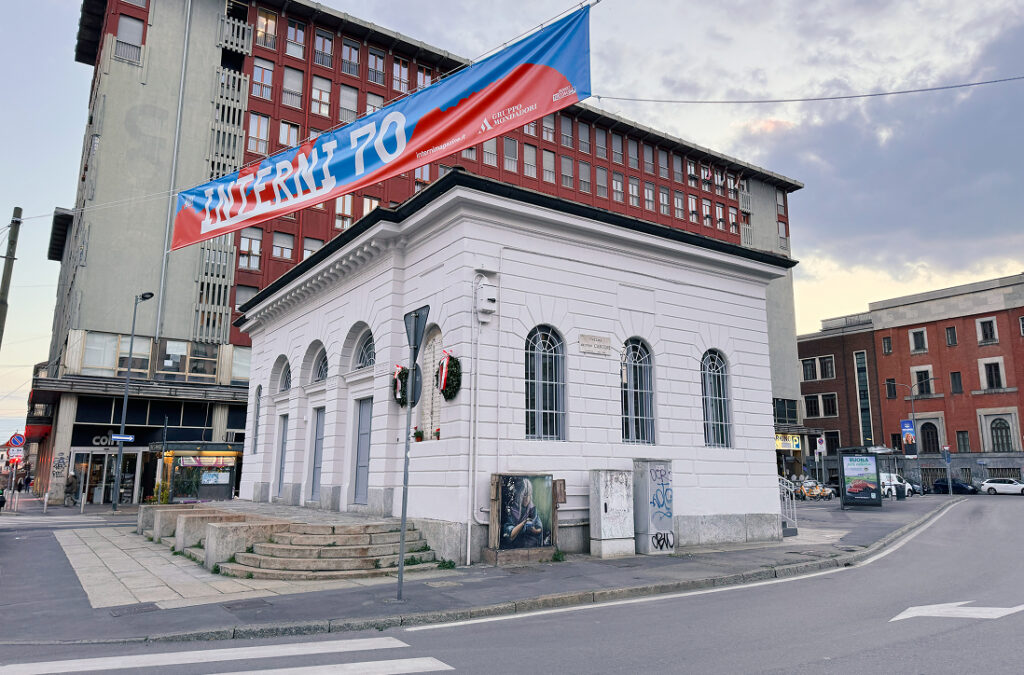
It can no longer be considered a square — Piazzale Cantore has become a large car park without rules.
young resident, on-site interview
Research Insight
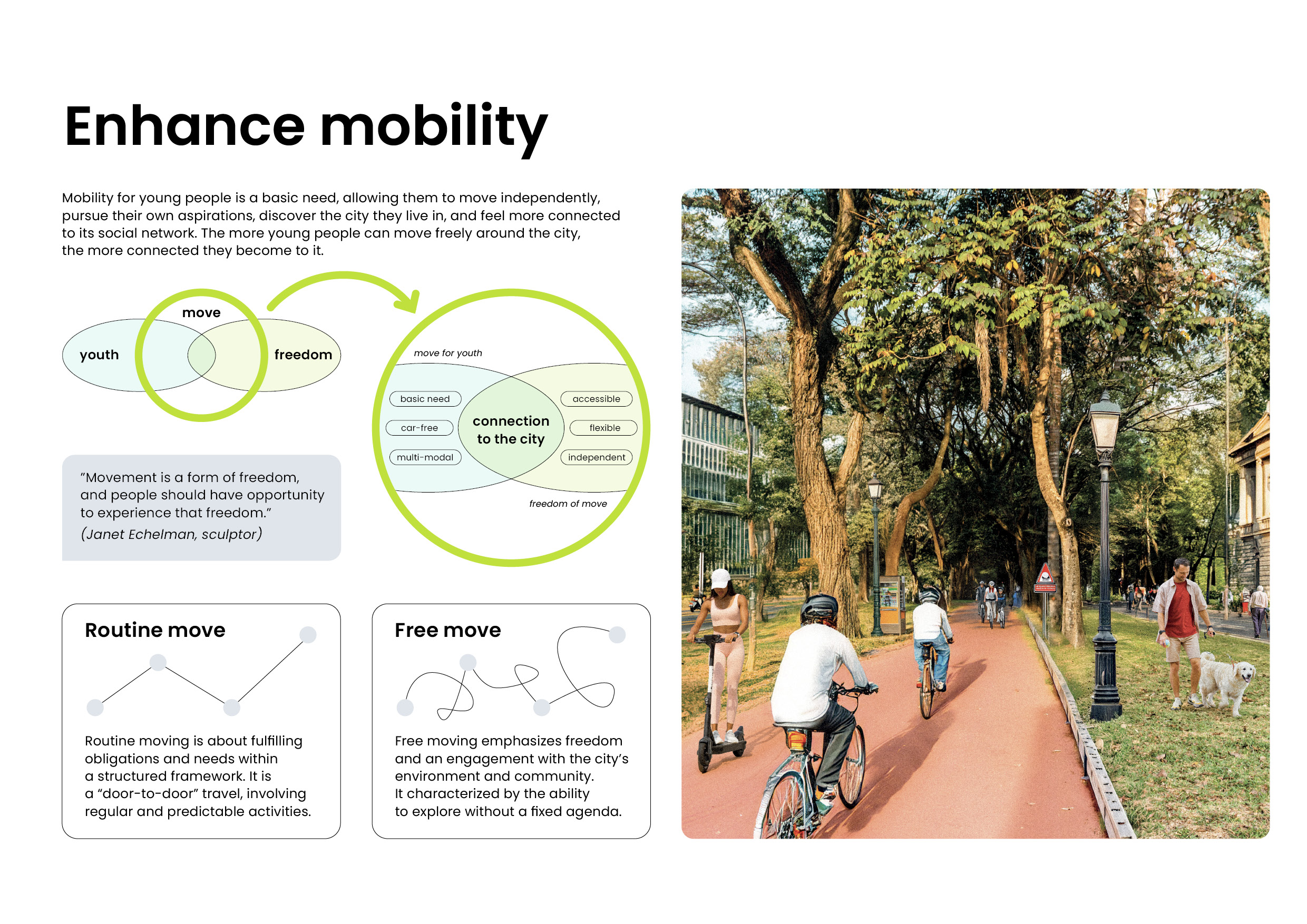
For young people, mobility is more than getting from A to B.
Indeed they need to:
Moving freely which is a form of freedom.
It creates independence, access to activities and a stronger relationship with the city.
Freedom to move + opportunities to connect
This led us to focus on two needs:
The Concept
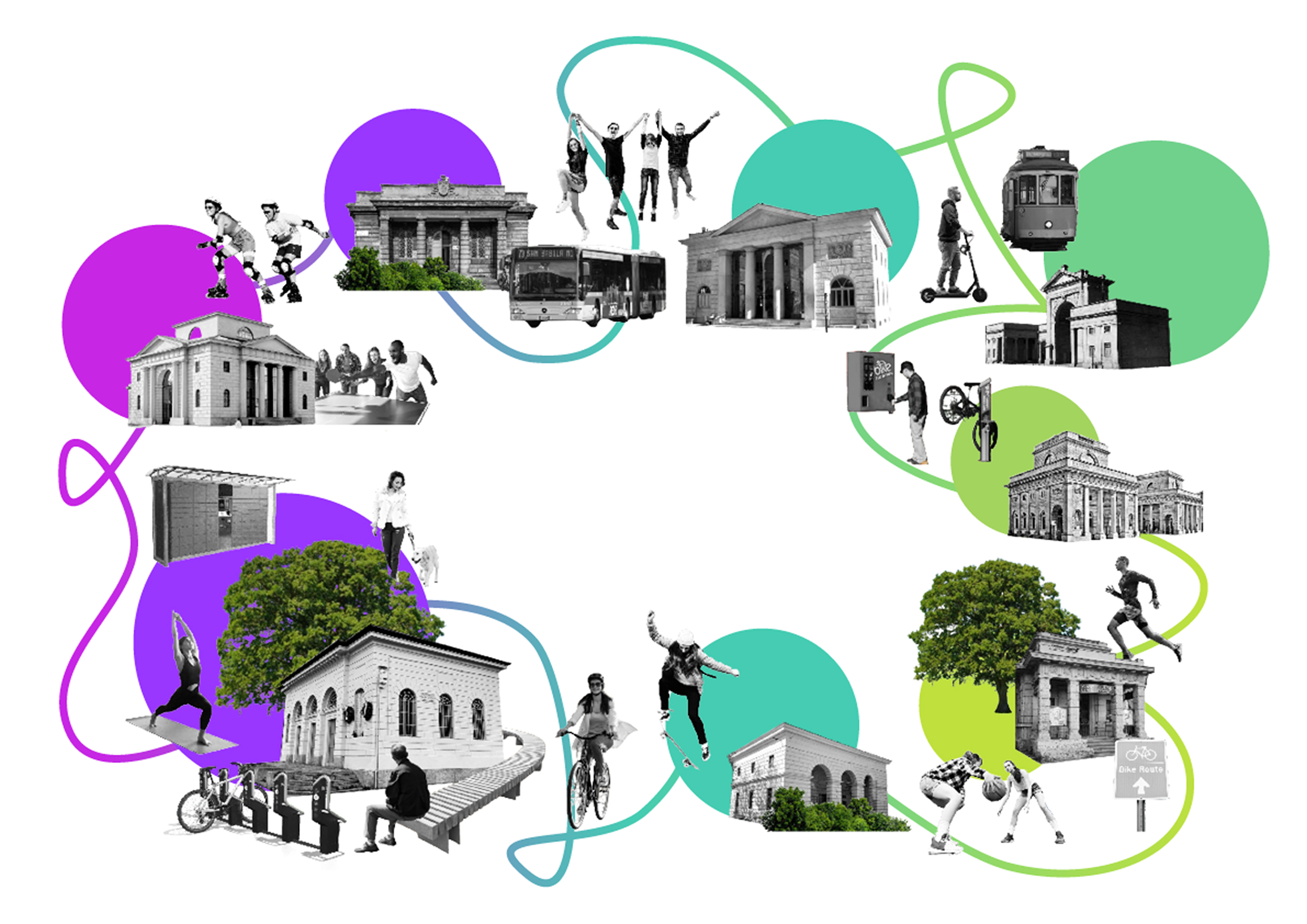
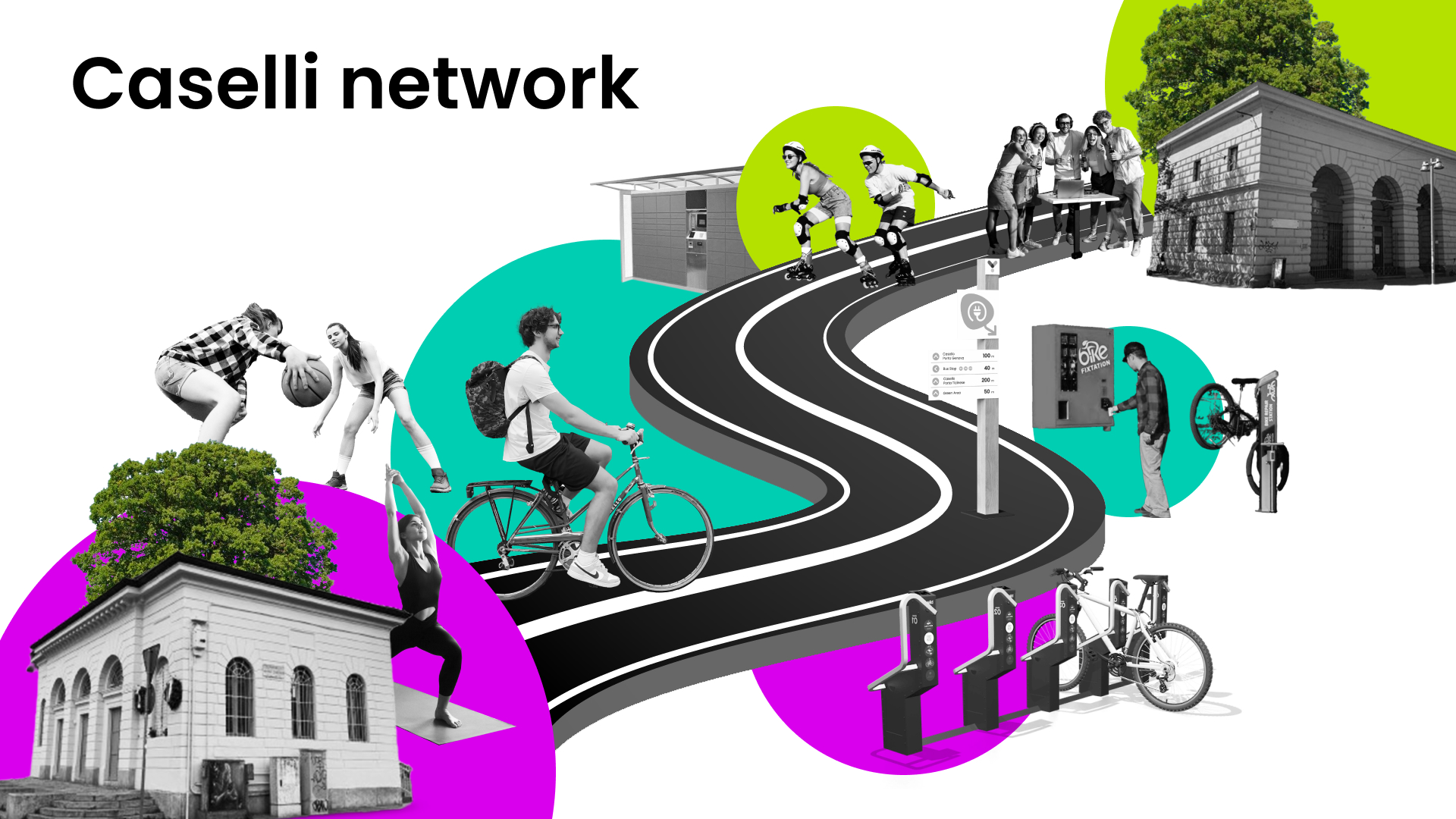
As part of the team, I proposed the core idea of connecting Milan’s historic Caselli into a continuous network, transforming separate city landmarks into a connected mobility and discovery system.
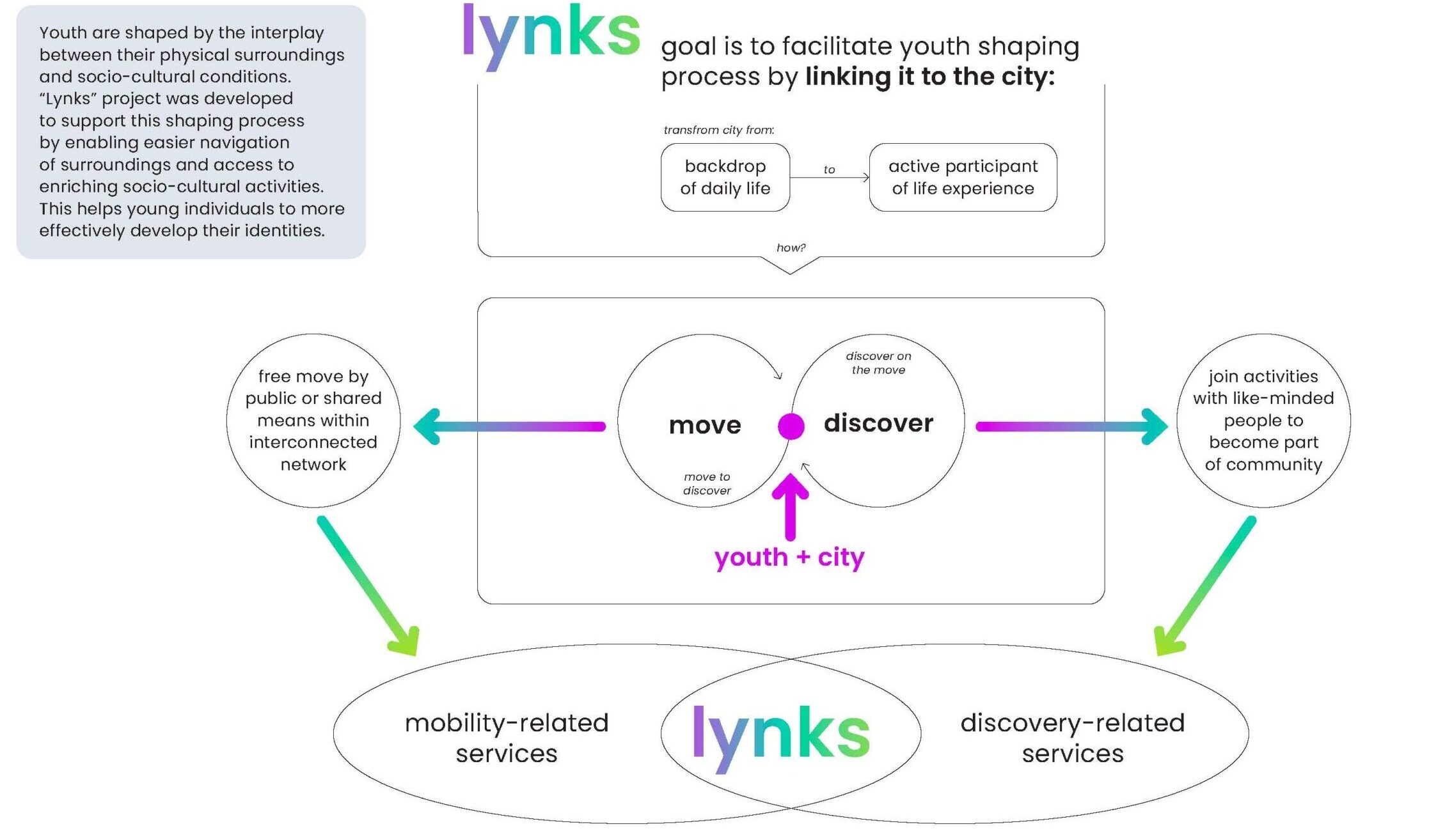
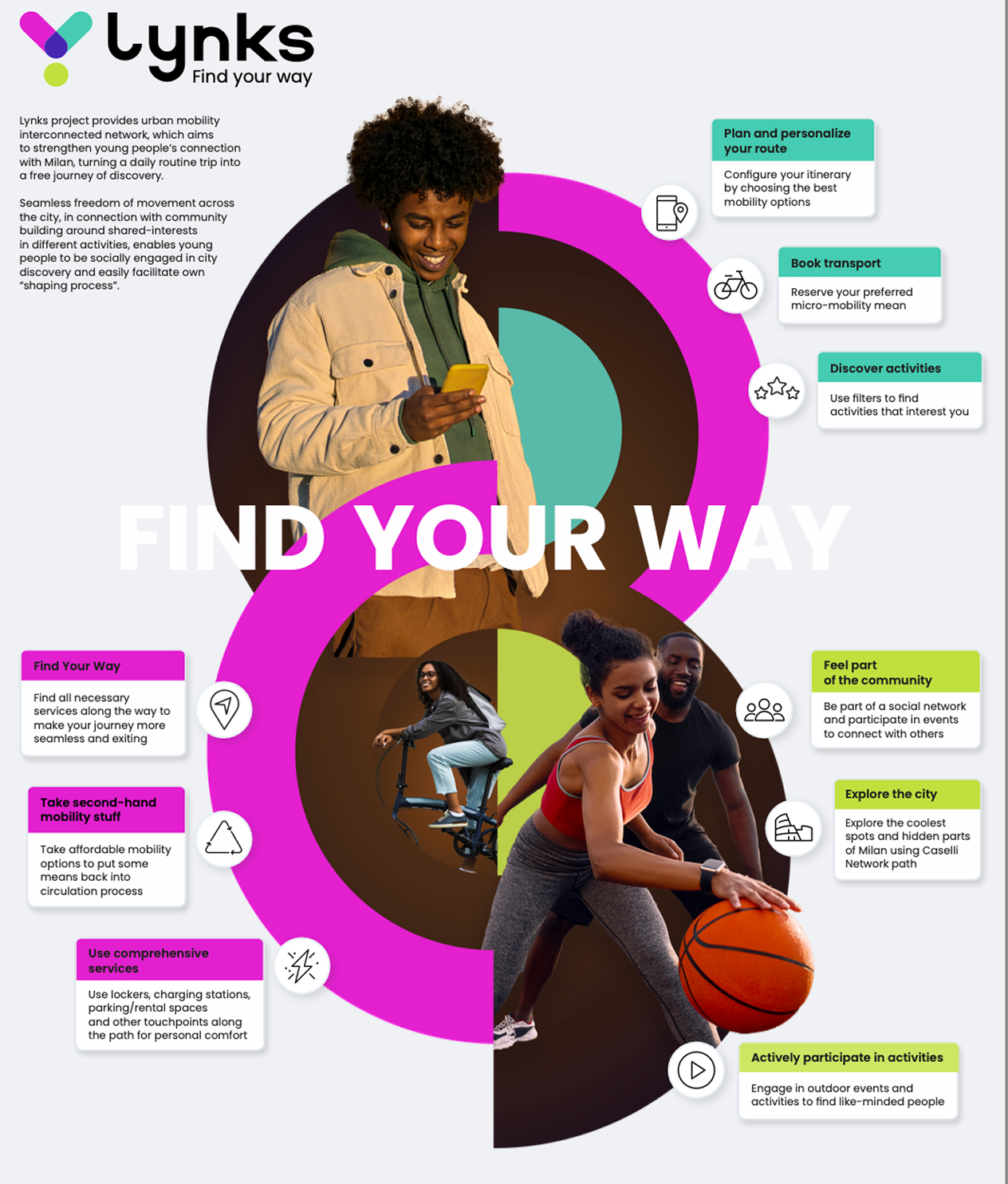
Instead of treating commuting and city exploration separately, LYNk connects them: movement becomes a way to discover places, activities and people.
so Youngs people just to need to:
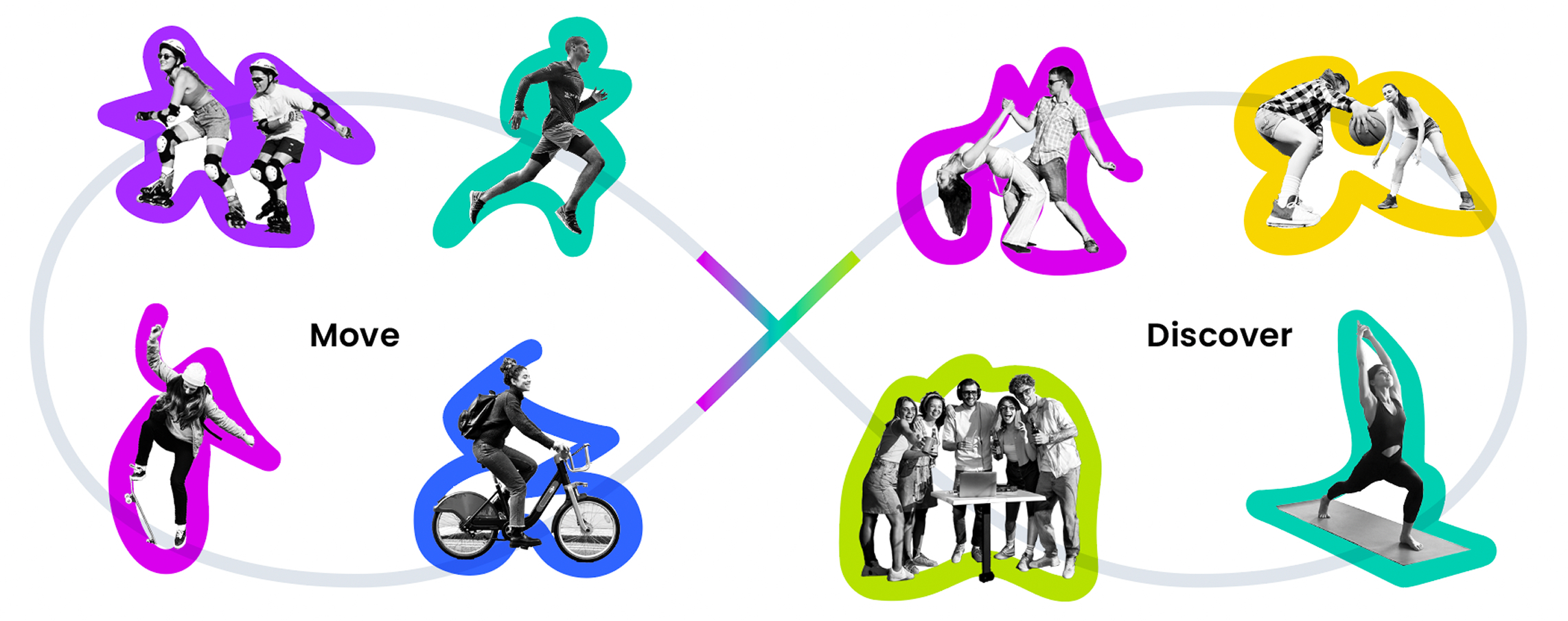
Move to discover. Discover by moving.
The more freely they move, the more connected they become.
So, LYNk shifts travel from routine move — the door-to-door obligation — toward free move: car-free, multi-modal, open to exploration.
The Solution
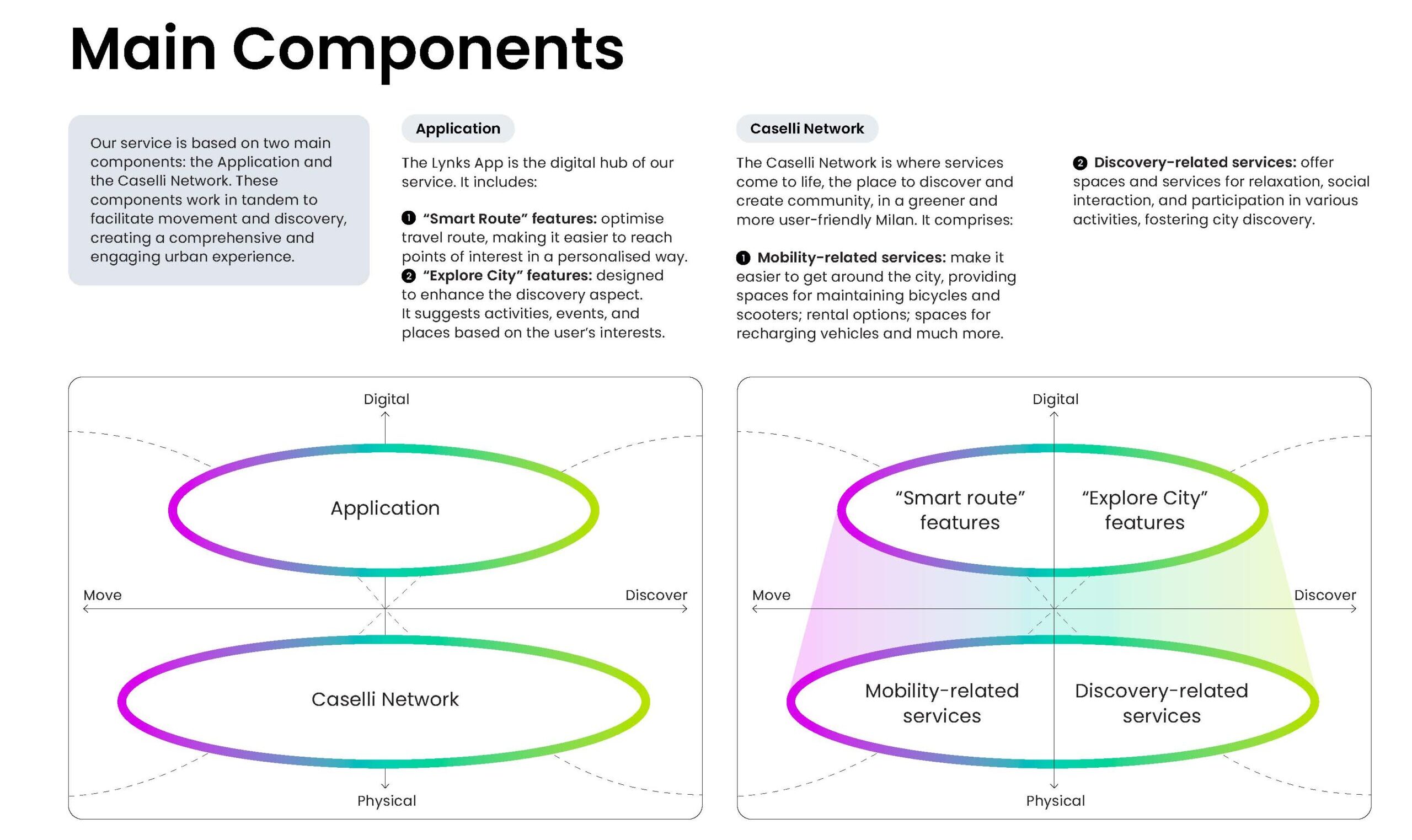
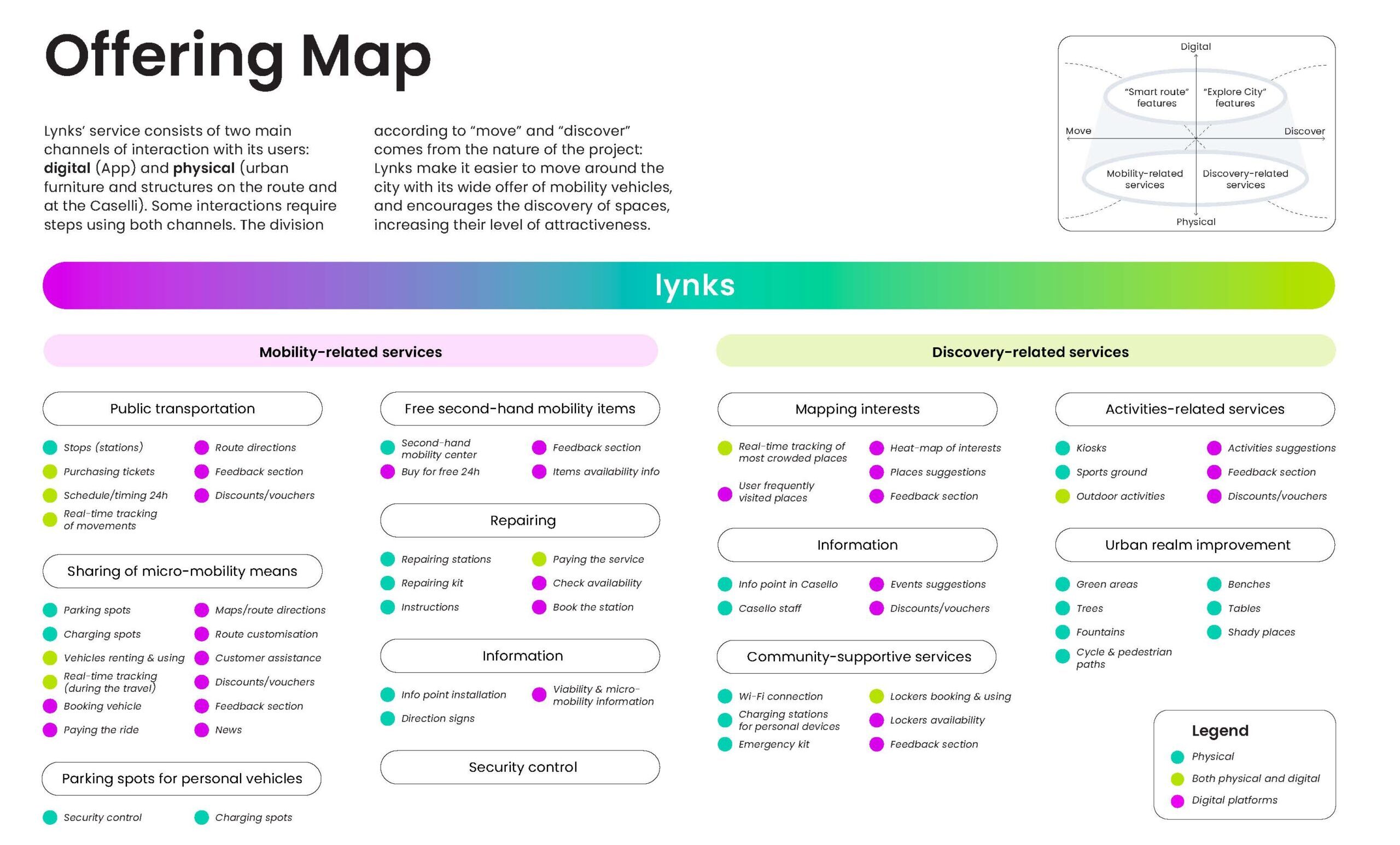
LYNk combines two connected layers:
Physical Network
Caselli, public spaces, activities and mobility points across the city.
Digital Layer
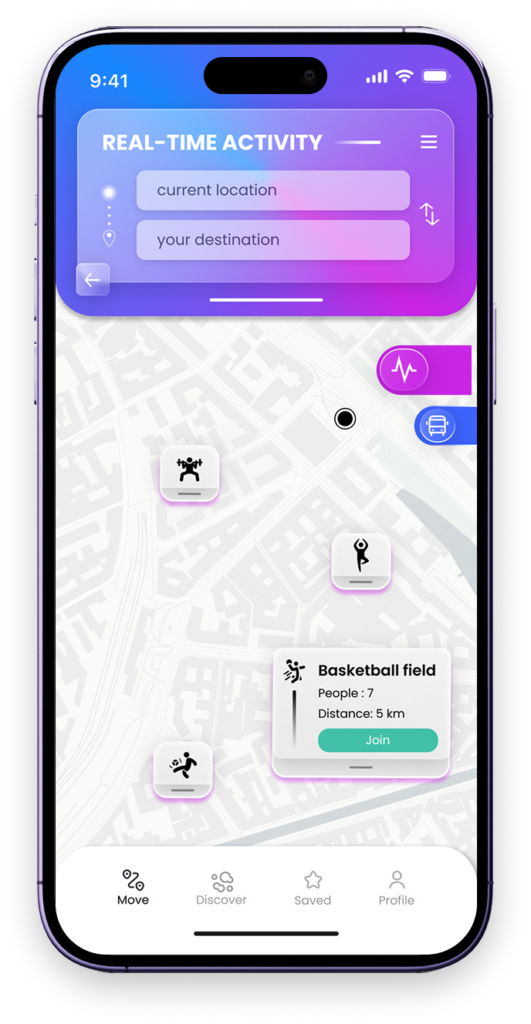
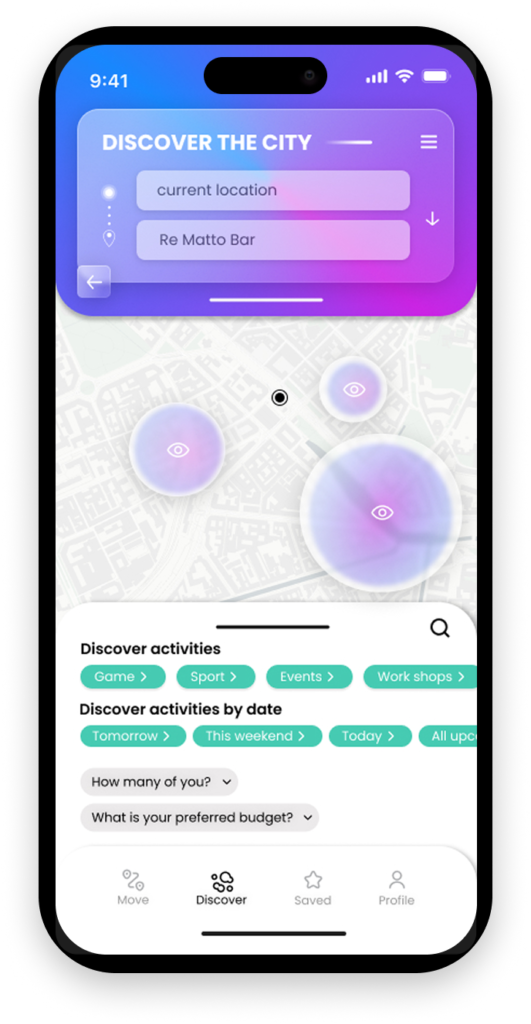
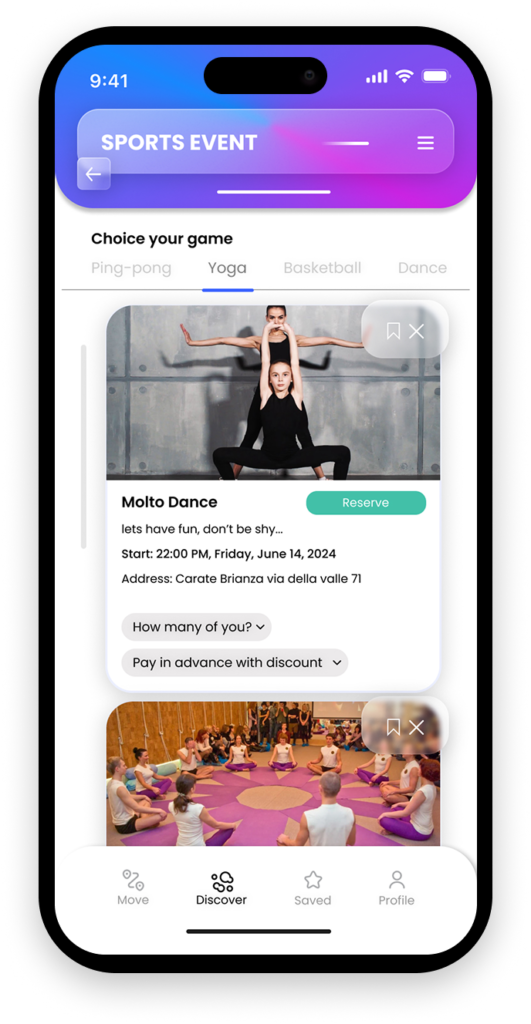
An app that makes the network accessible, understandable and easy to explore.
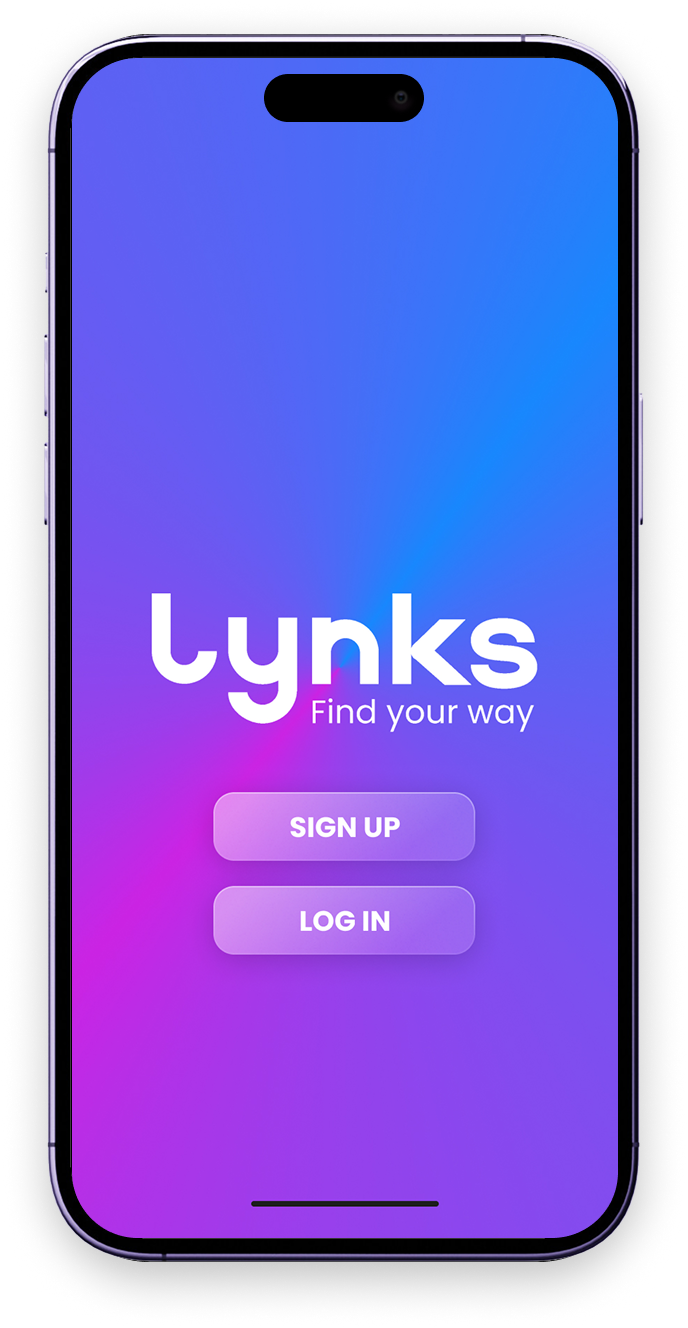
Authorisation in app helps to enter one's own account with already saved preferences and interests
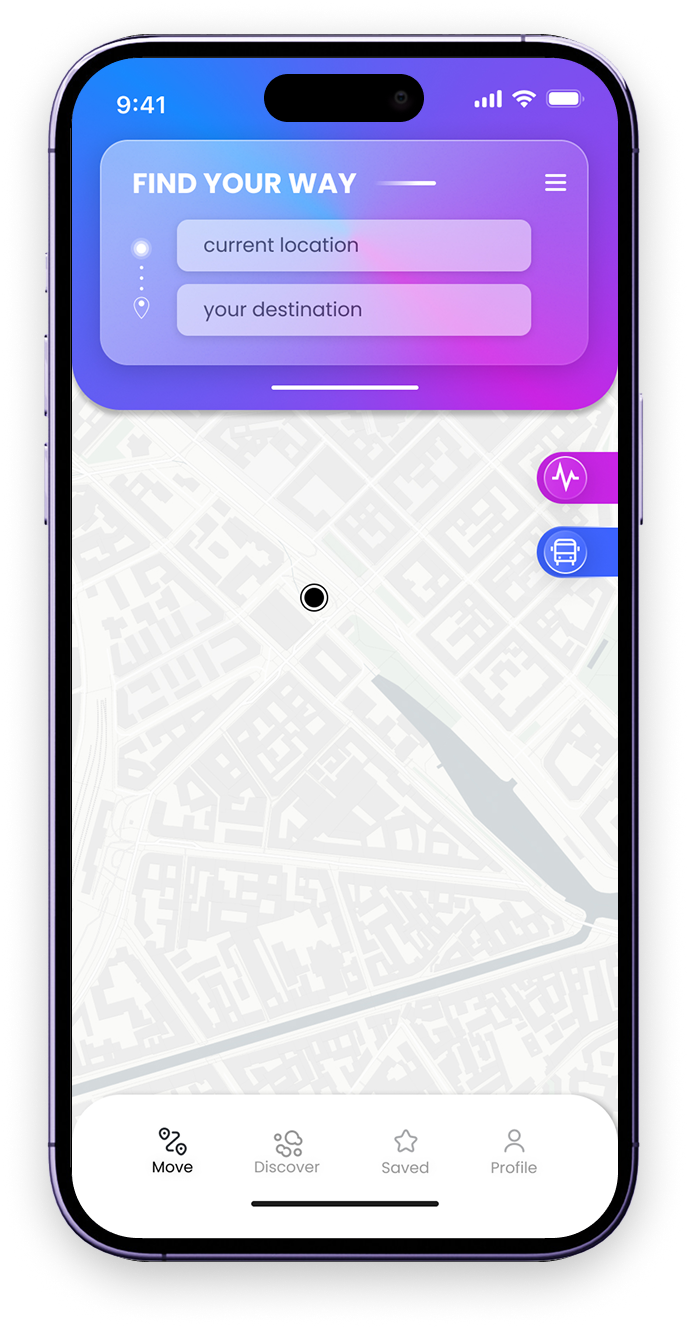
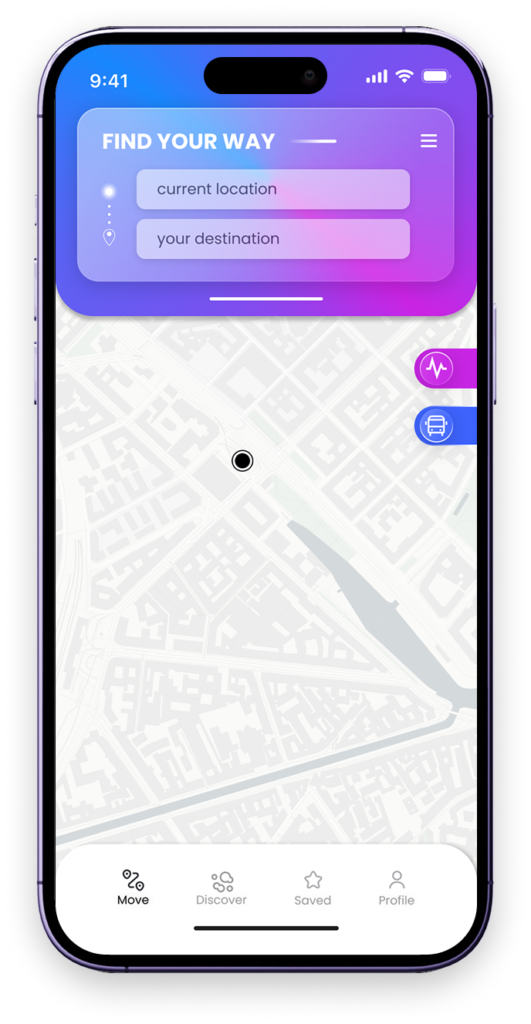
City Map shows person geolocation and allows to build a route. Bottom navigation bar displays main sections
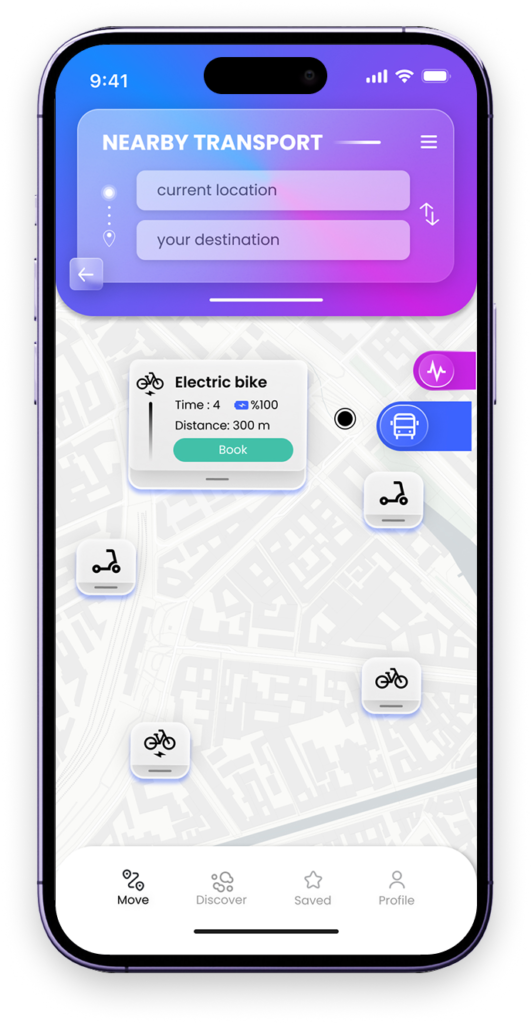
Micro mobility filter, which, by real-time tracking helps to find available transport nearby and book it
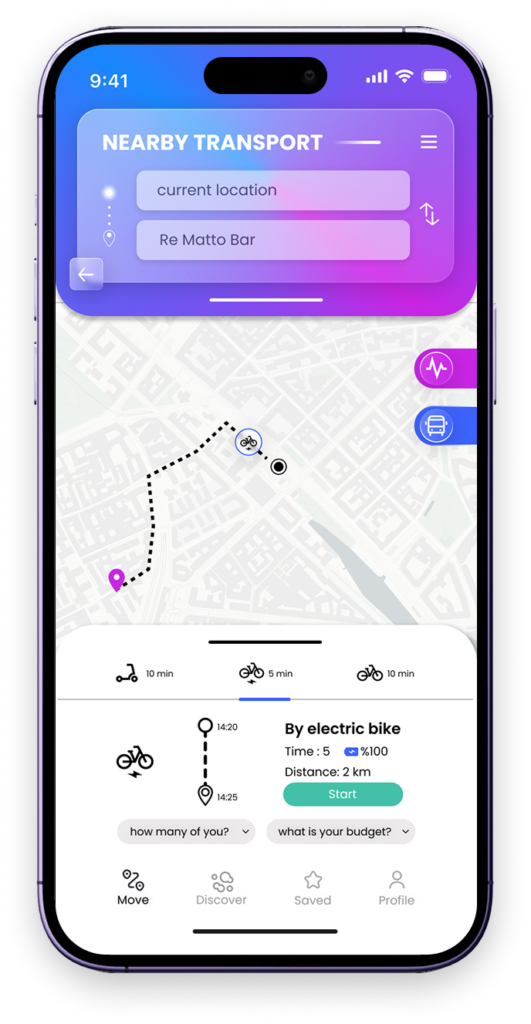
Route personalisation by setting up filters that ensure the most comfortable and enjoyable travel
In team, I translated the service system into two main experiences.
Smart Route
Behind the Service
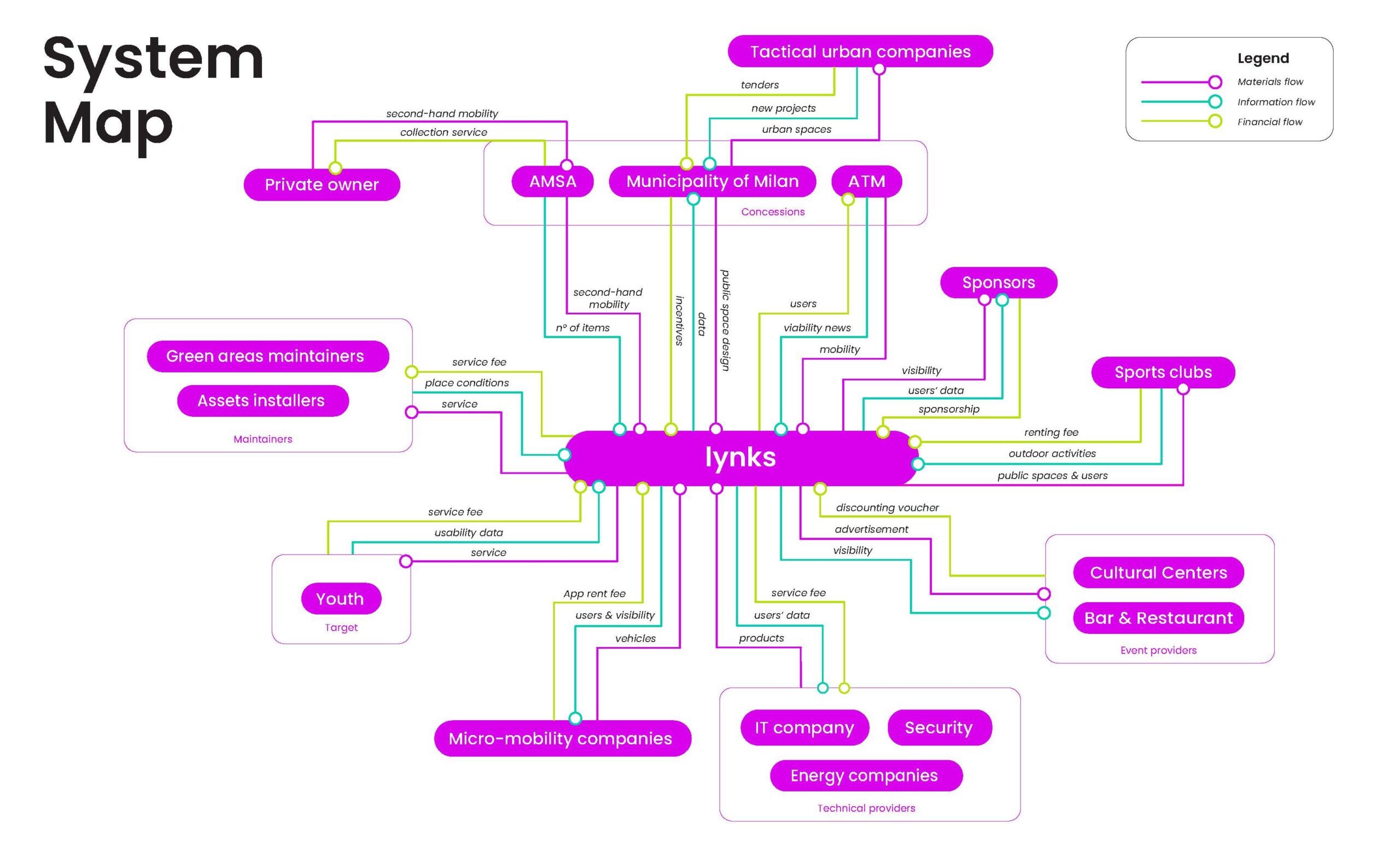
The app was only one part of the experience.
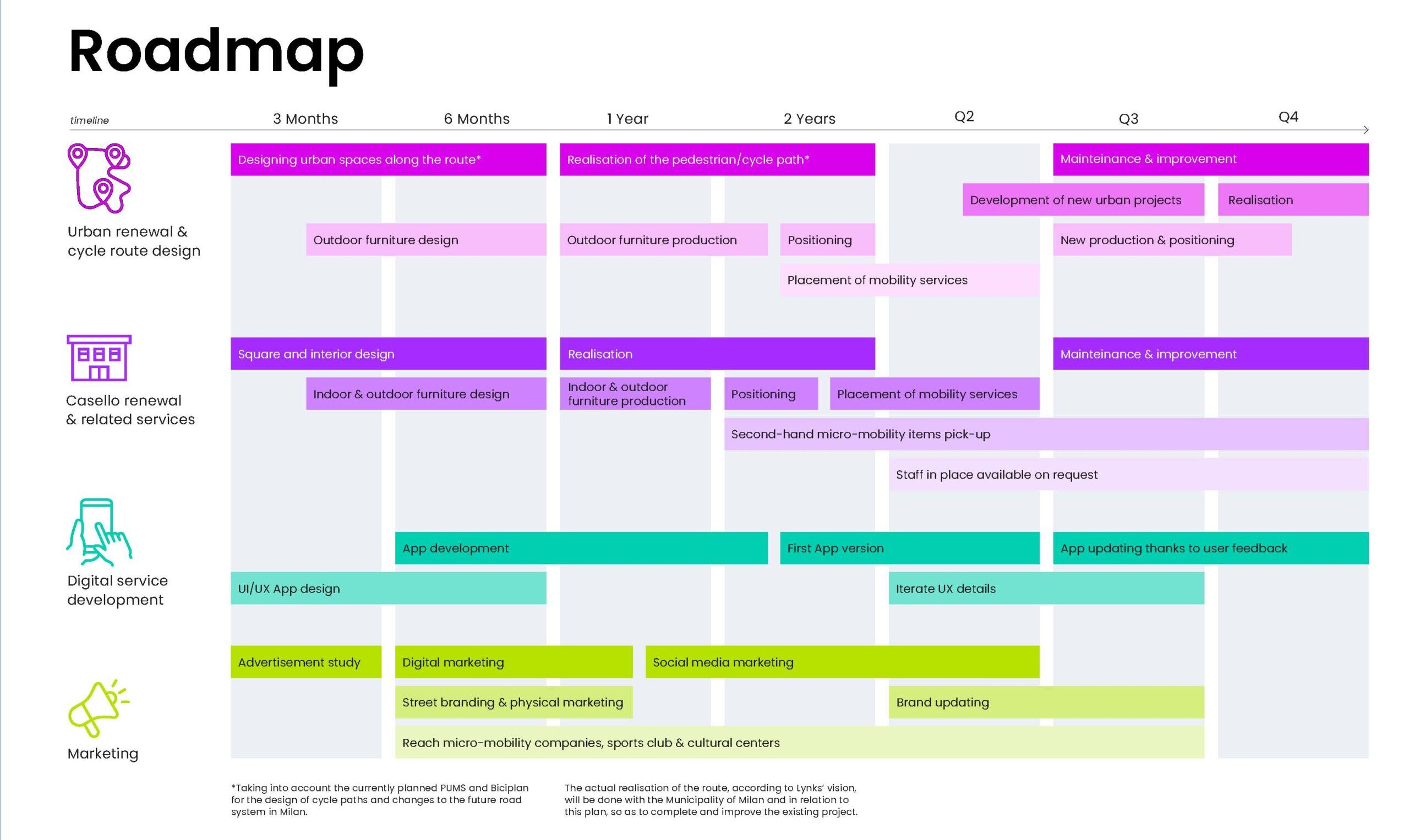
We mapped the posters services, stakeholders and value exchanges behind LYNk to understand how mobility providers, public spaces, activities and the Municipality could work as one connected system.The app was only one part of the experience.
Intended Impact
LYNk aims to make sustainable mobility feel less like an obligation and more like an opportunity.
By connecting movement, discovery and public life, the service encourages young people to explore Milan without depending on cars.
What I Learned
A smart city does not have to begin with more technology.
This project taught me that connecting existing places, services and behaviours around a clear human need can be more powerful than adding complexity.