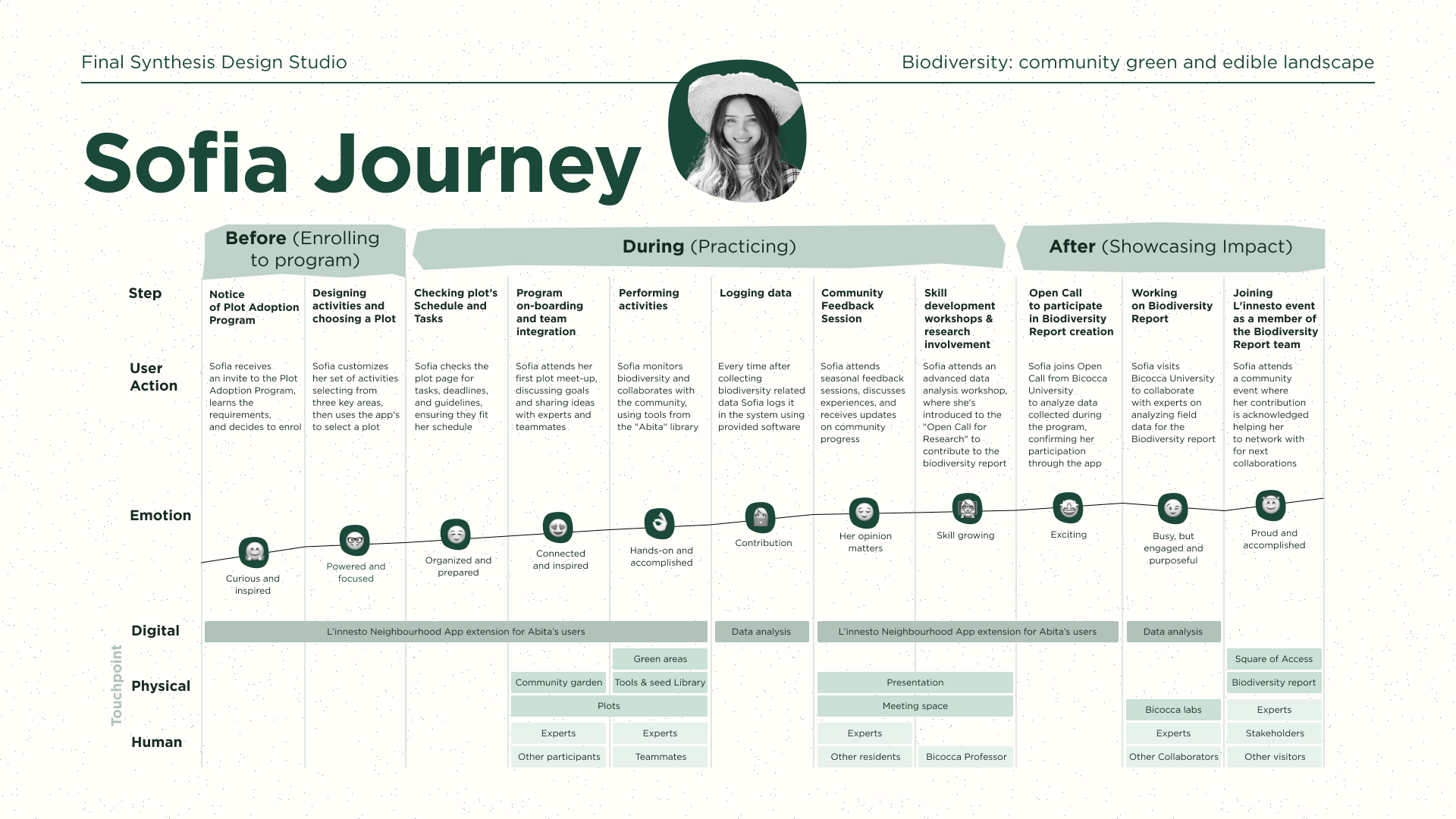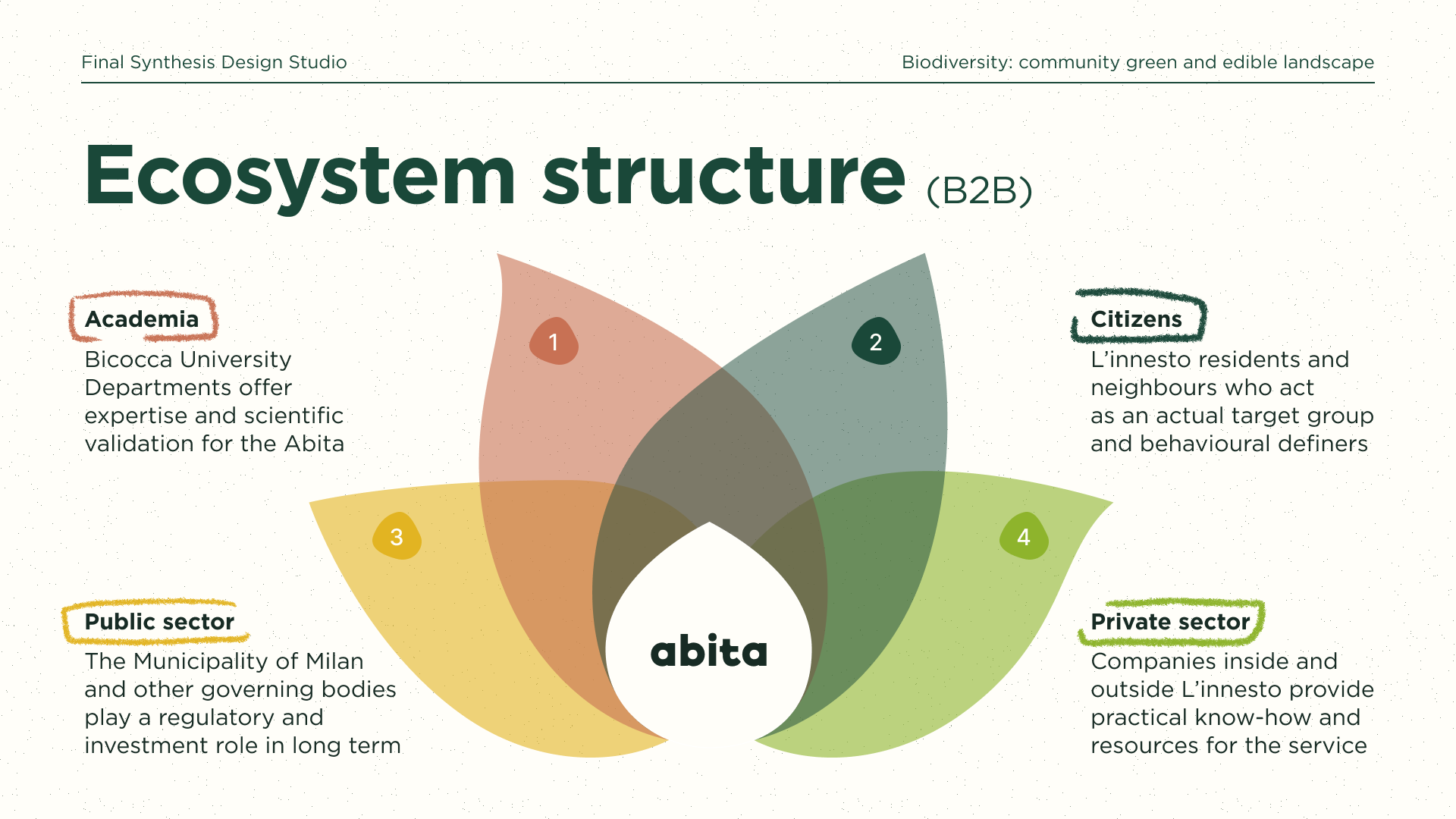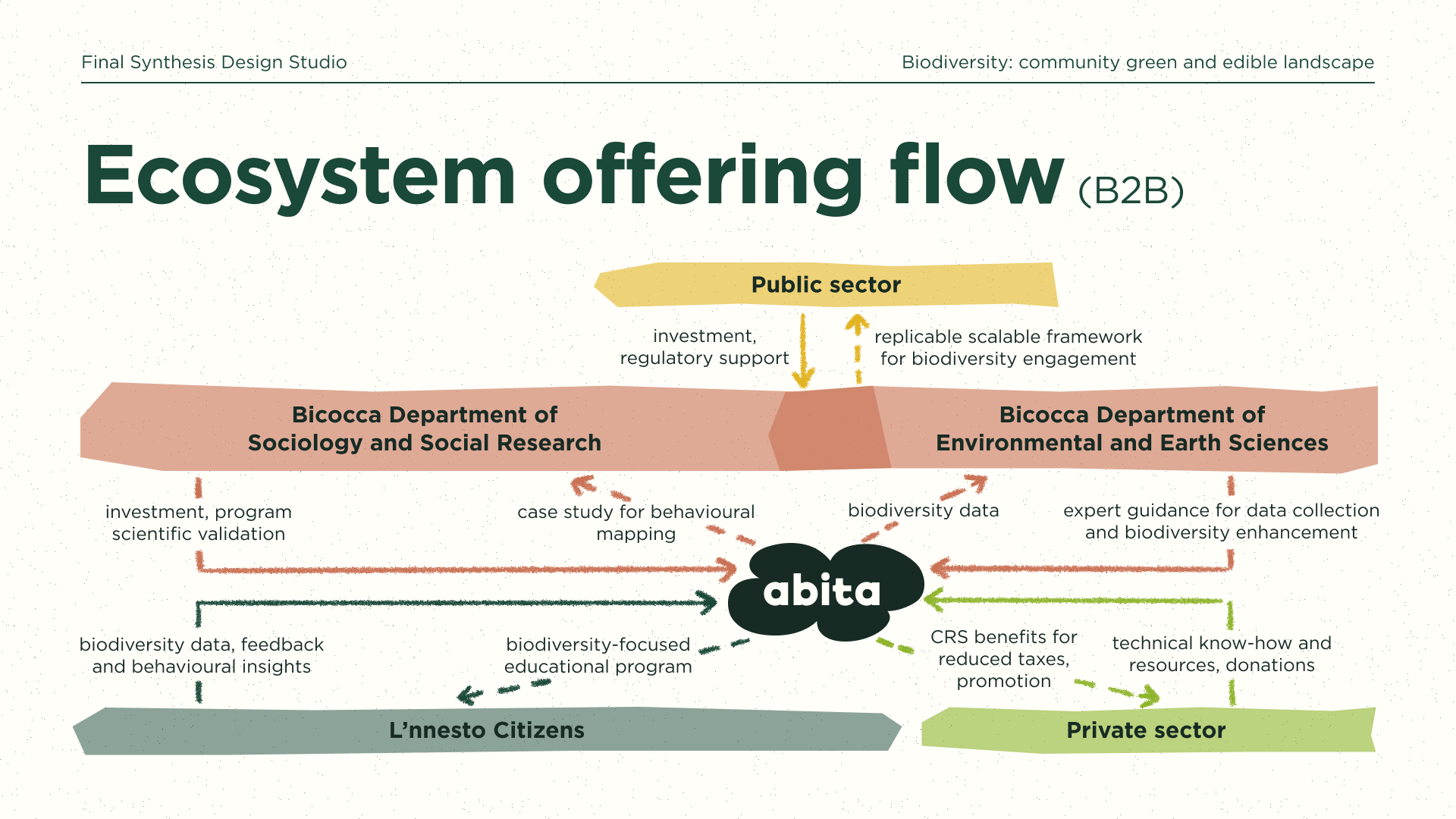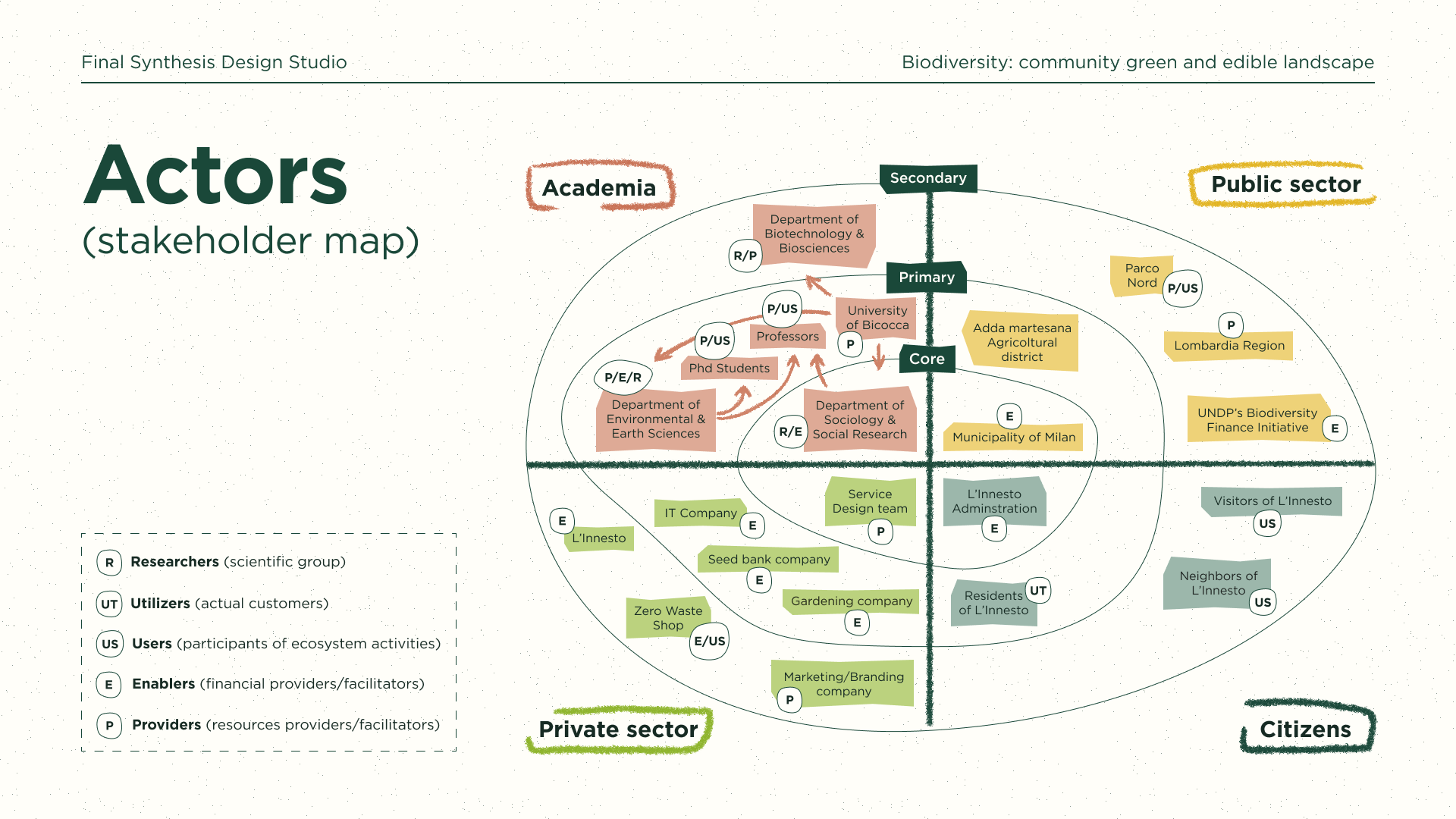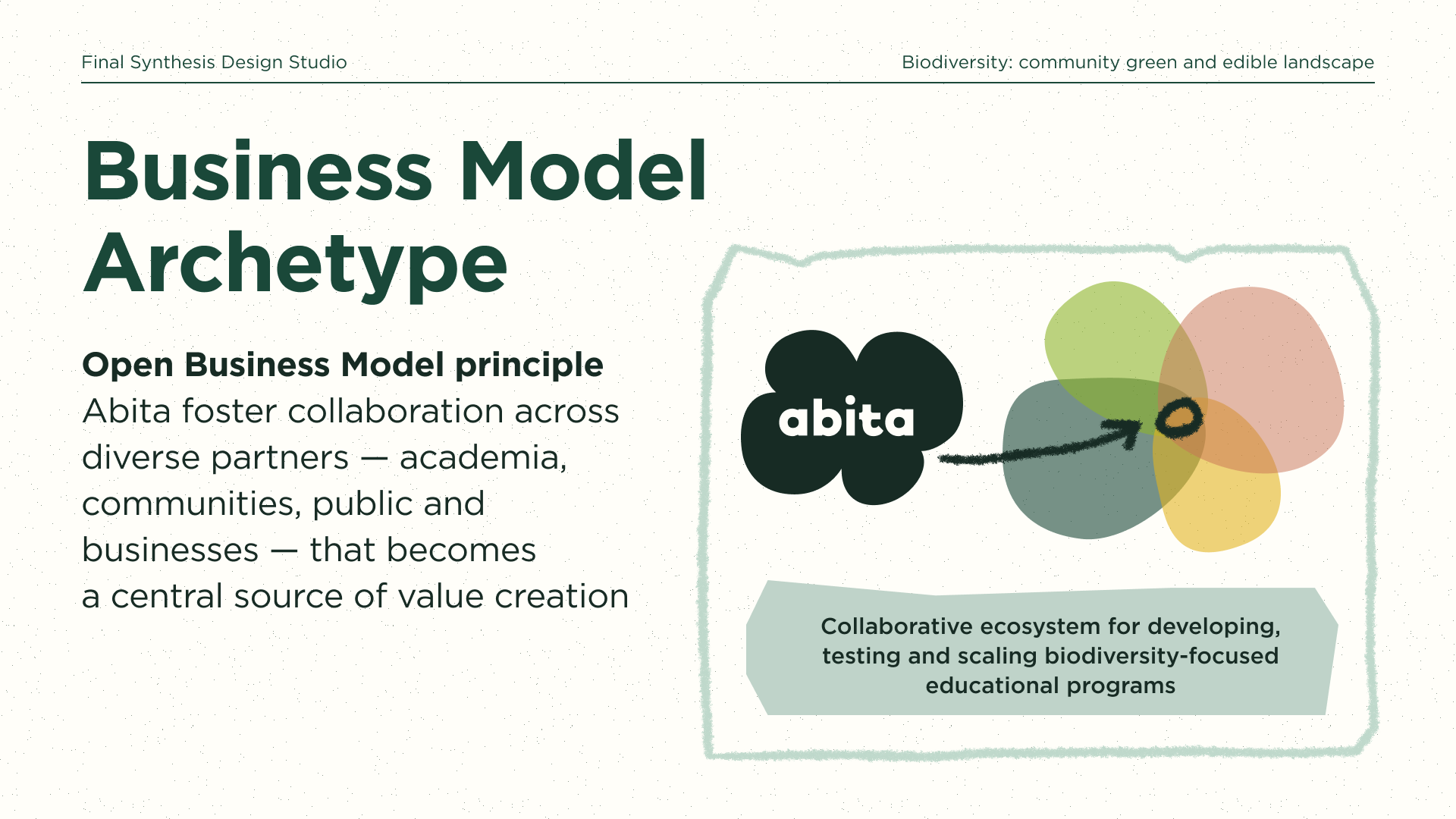
Abita is an educational service designed to connect people with local biodiversity through participation and hands-on activities.
The project explores how a neighbourhood can turn environmental awareness into everyday action.
Design Questions
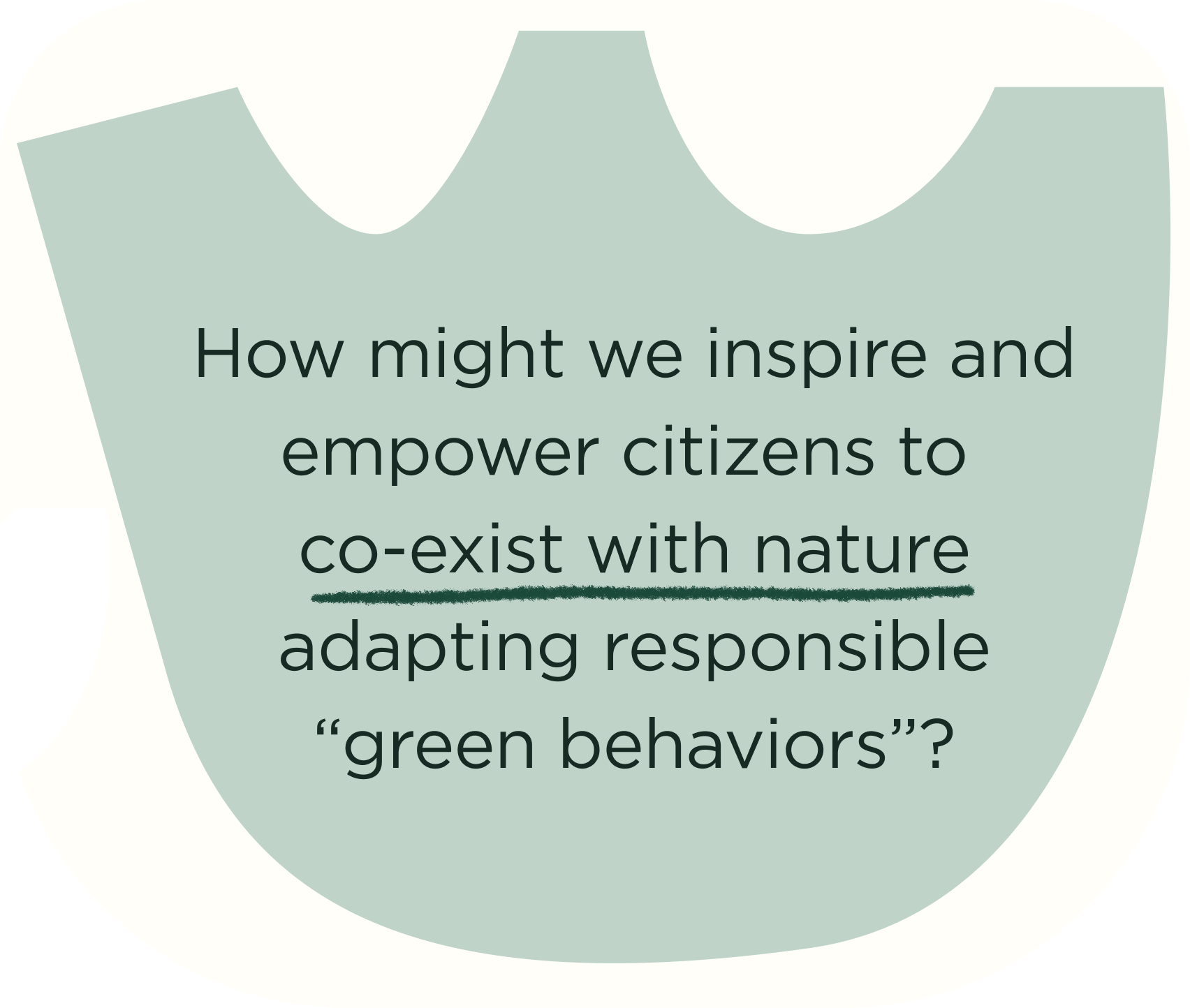
How might we make biodiversity something people actively participate in rather than only learn about?
How might local activities create a stronger connection between people, community and their environment?
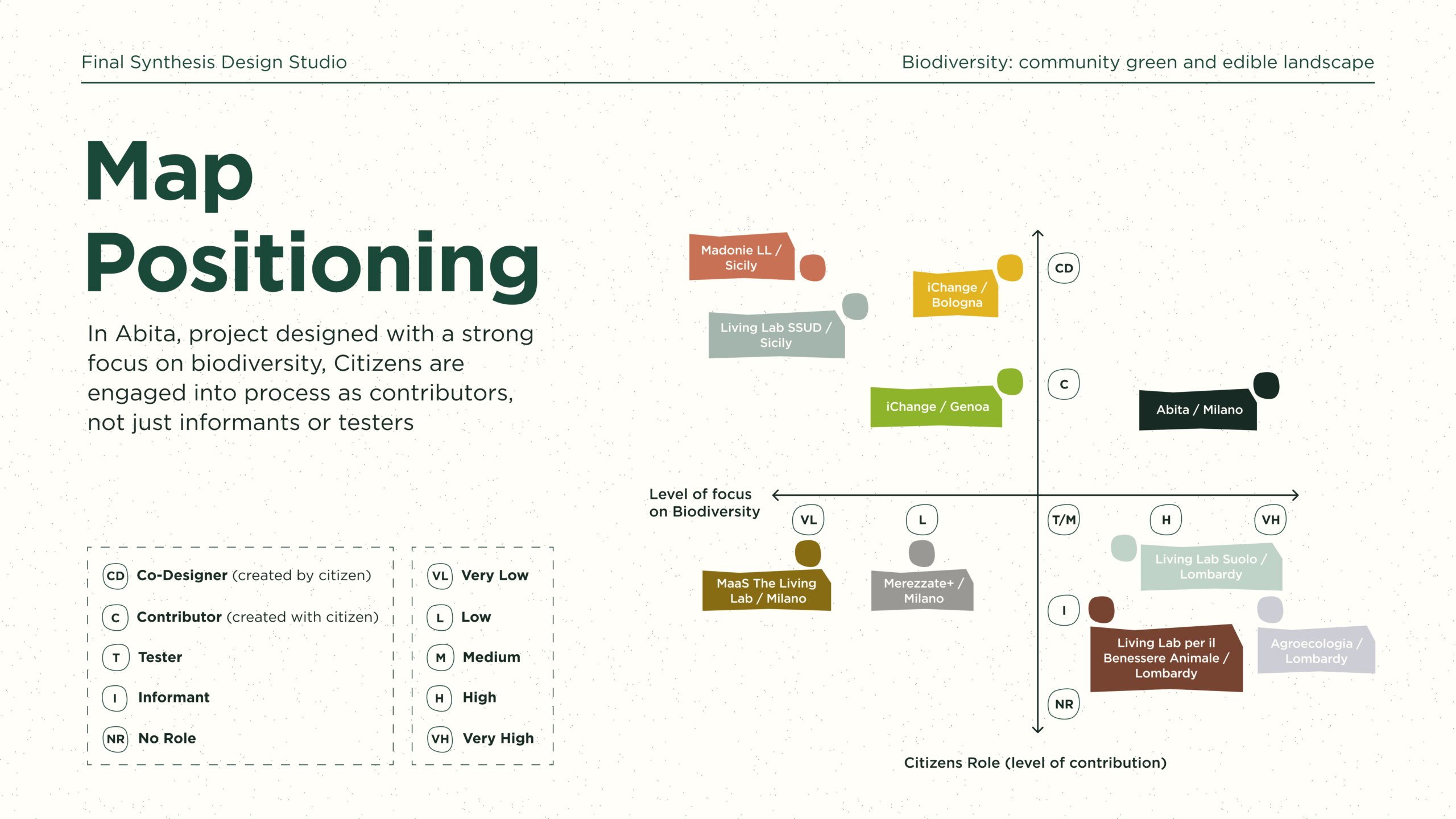
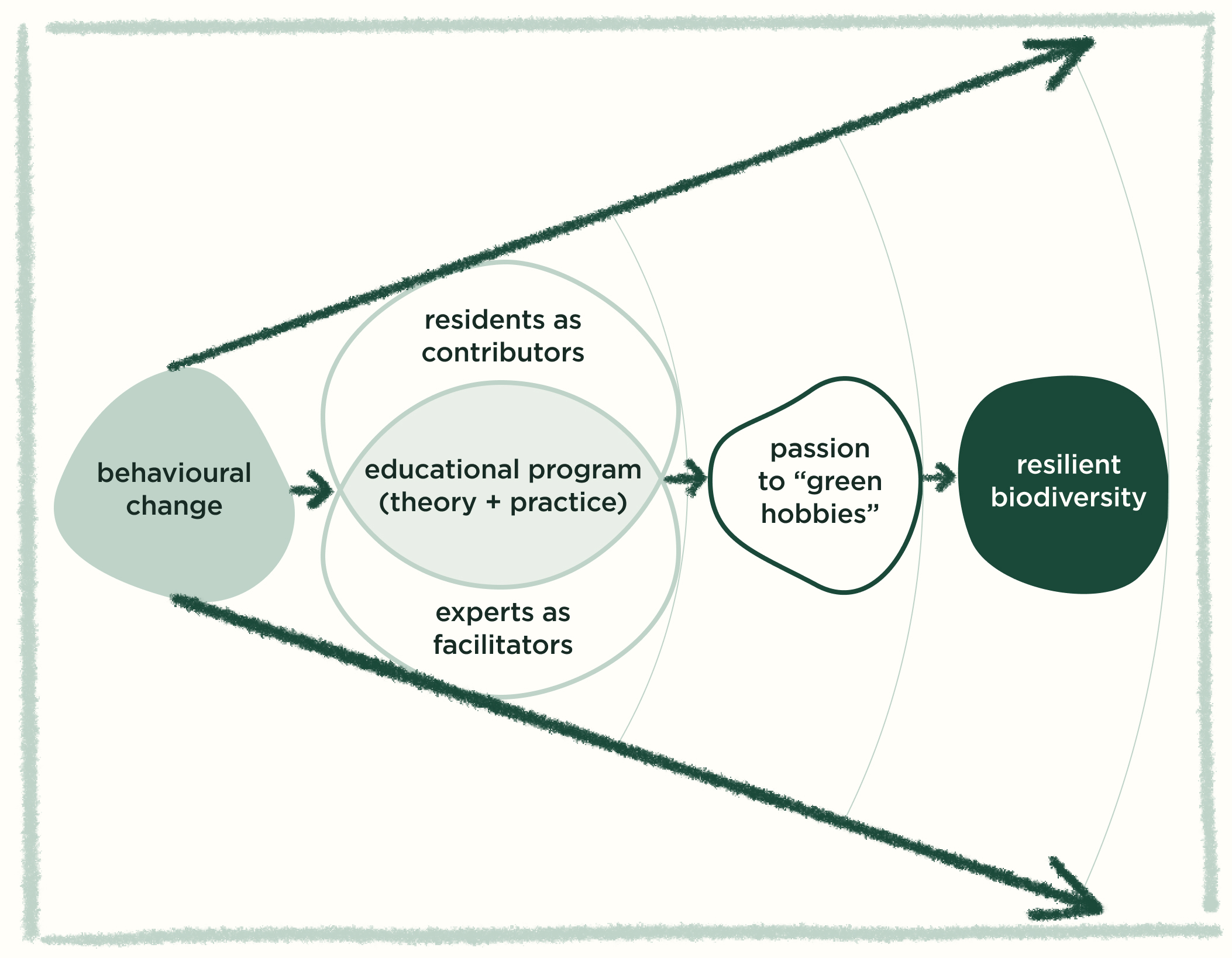
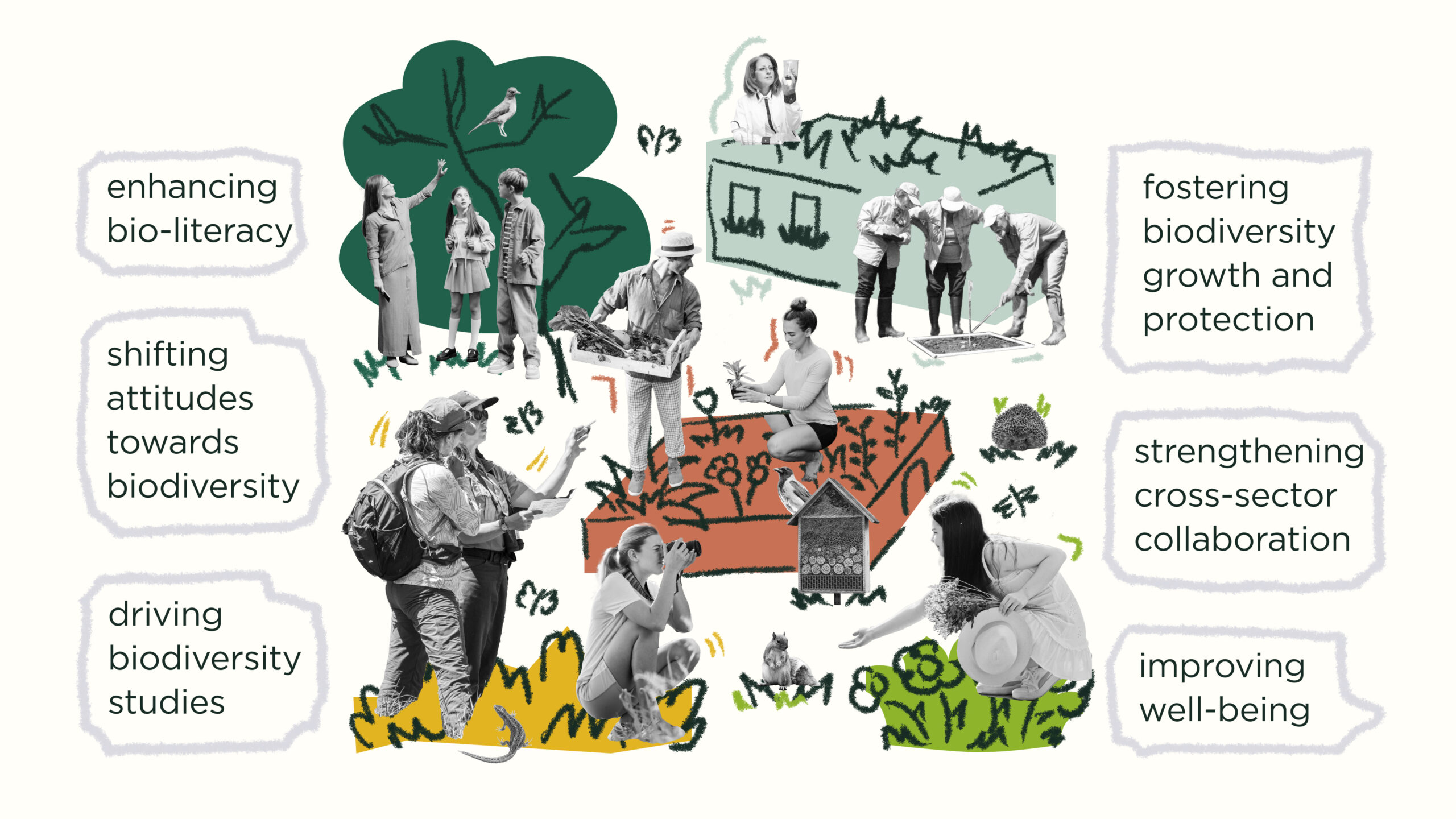
Abita aims to turn residents and visitors from observers into active participants.
Through exploration, monitoring, gardening and community activities, the service encourages environmental learning while strengthening connection with the neighbourhood.
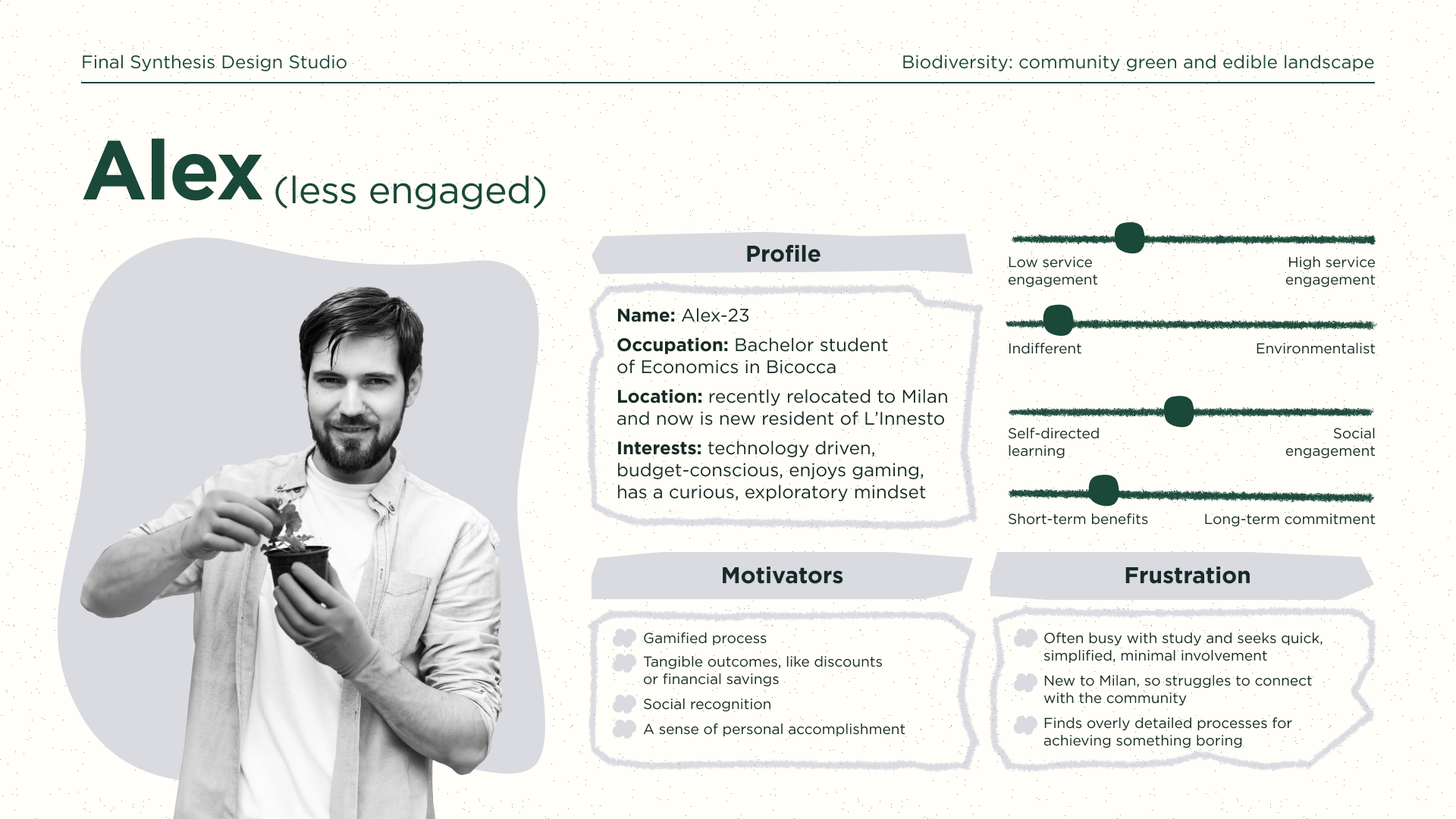
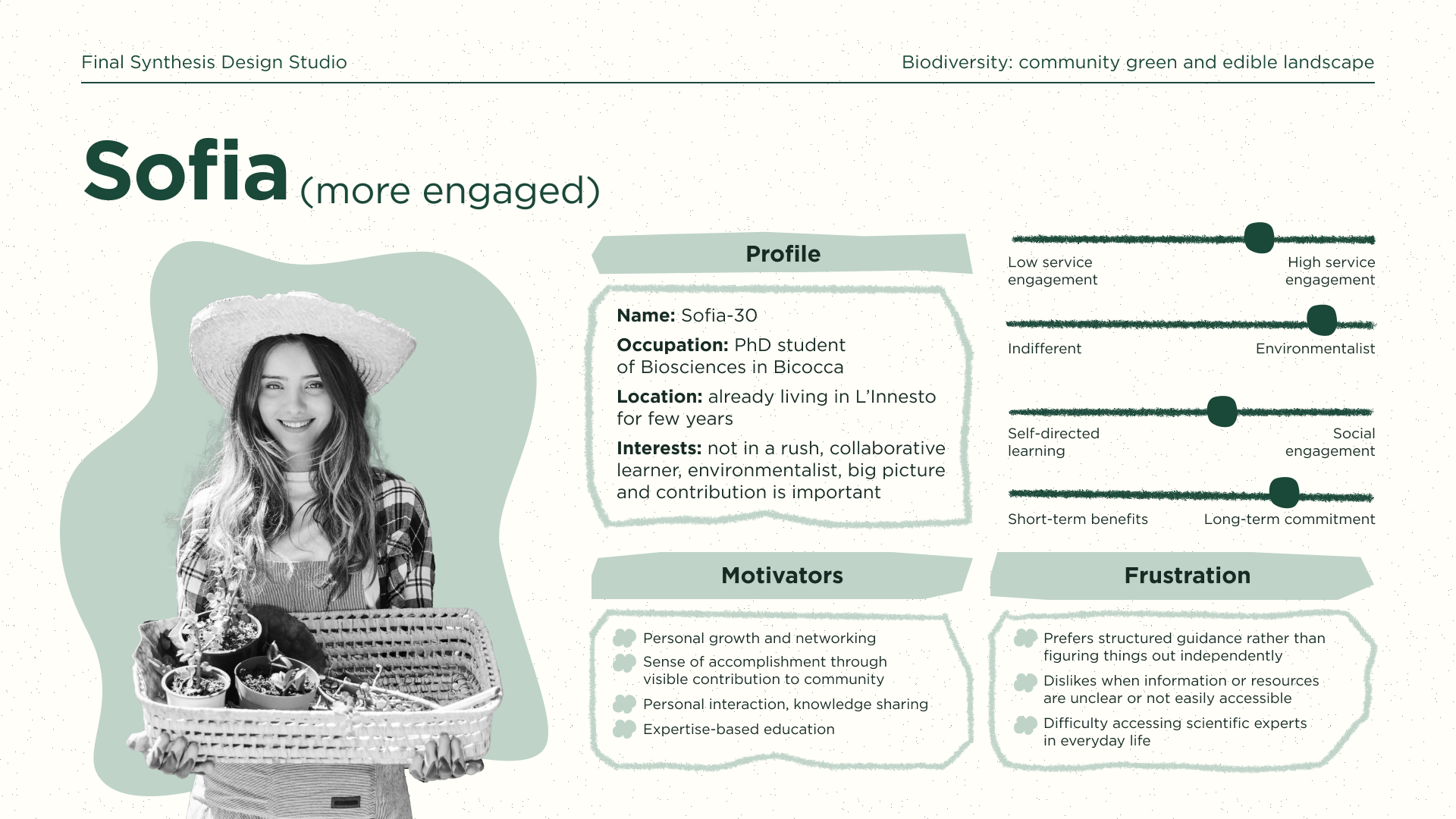
Understanig the needs of inhabitents with Co-Design sessions
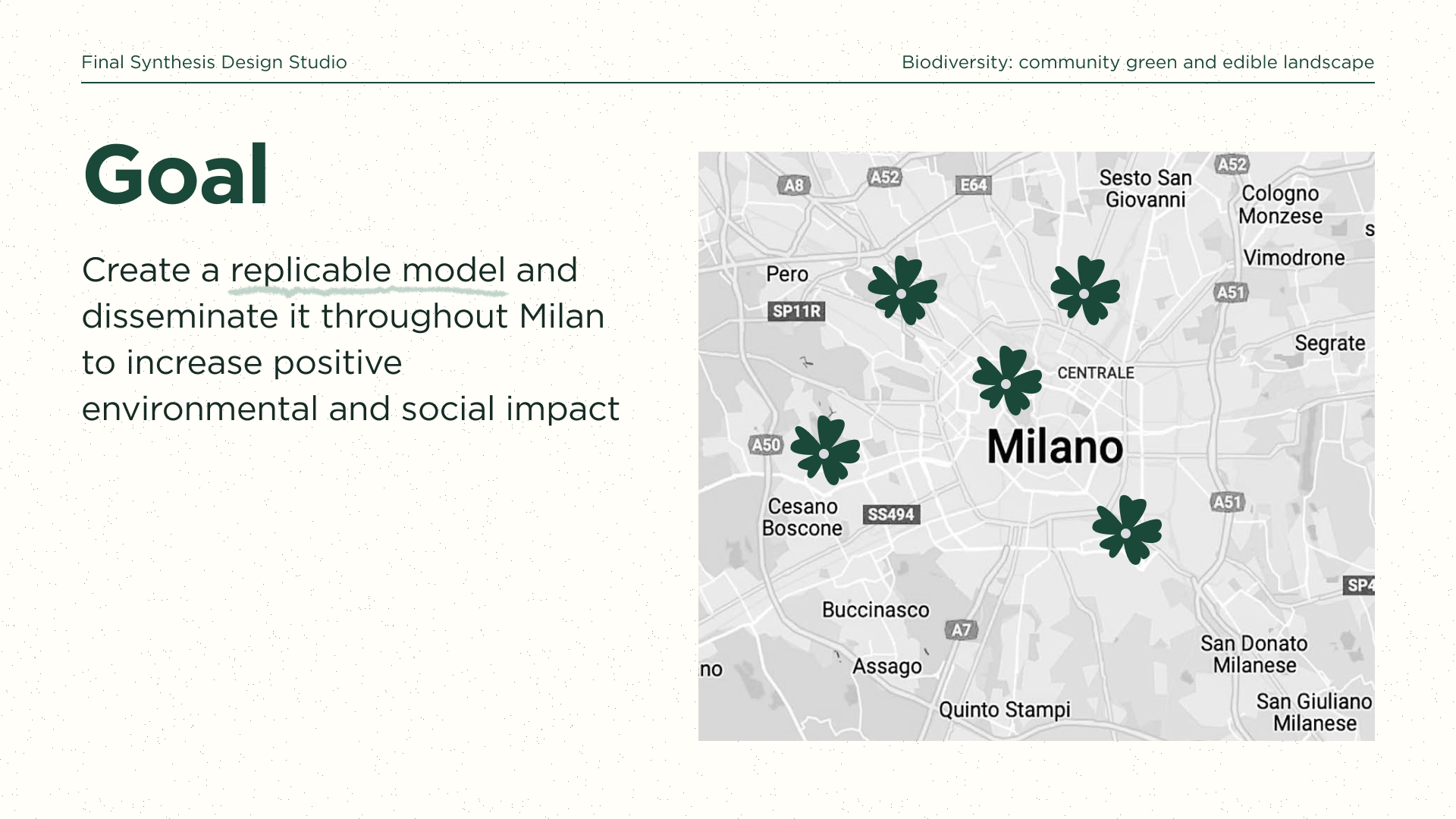
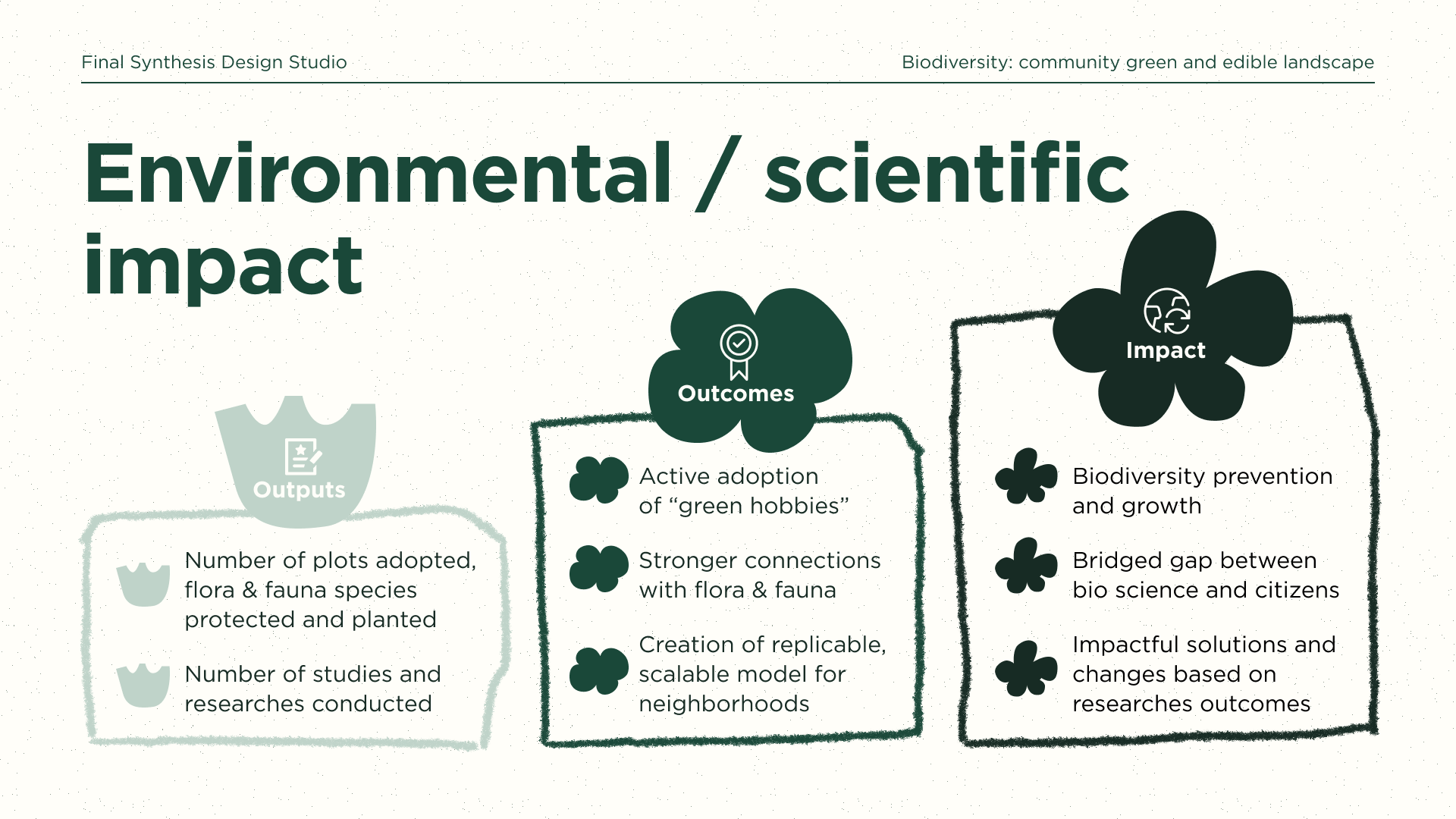
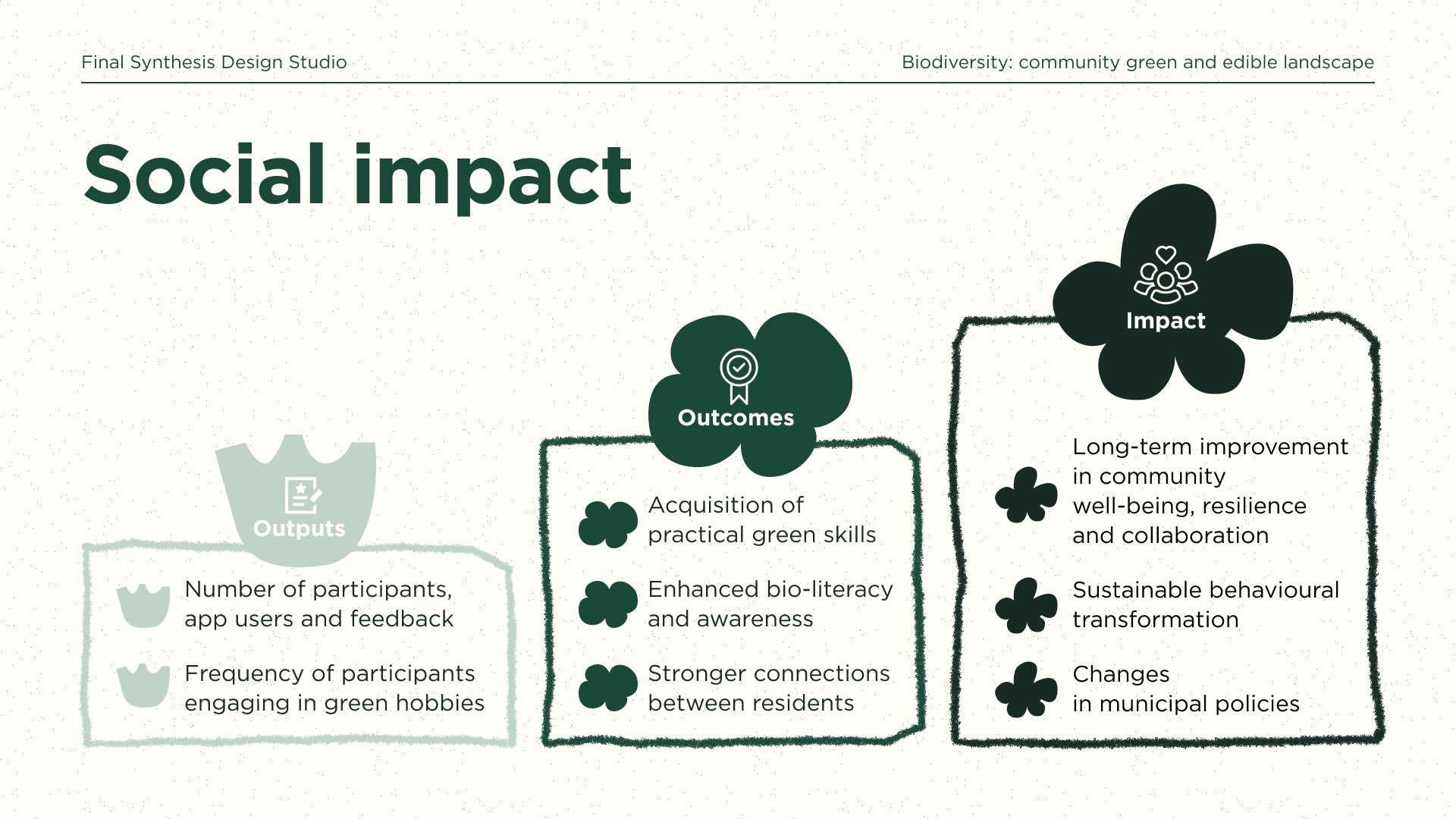
Intended Impact
Design process
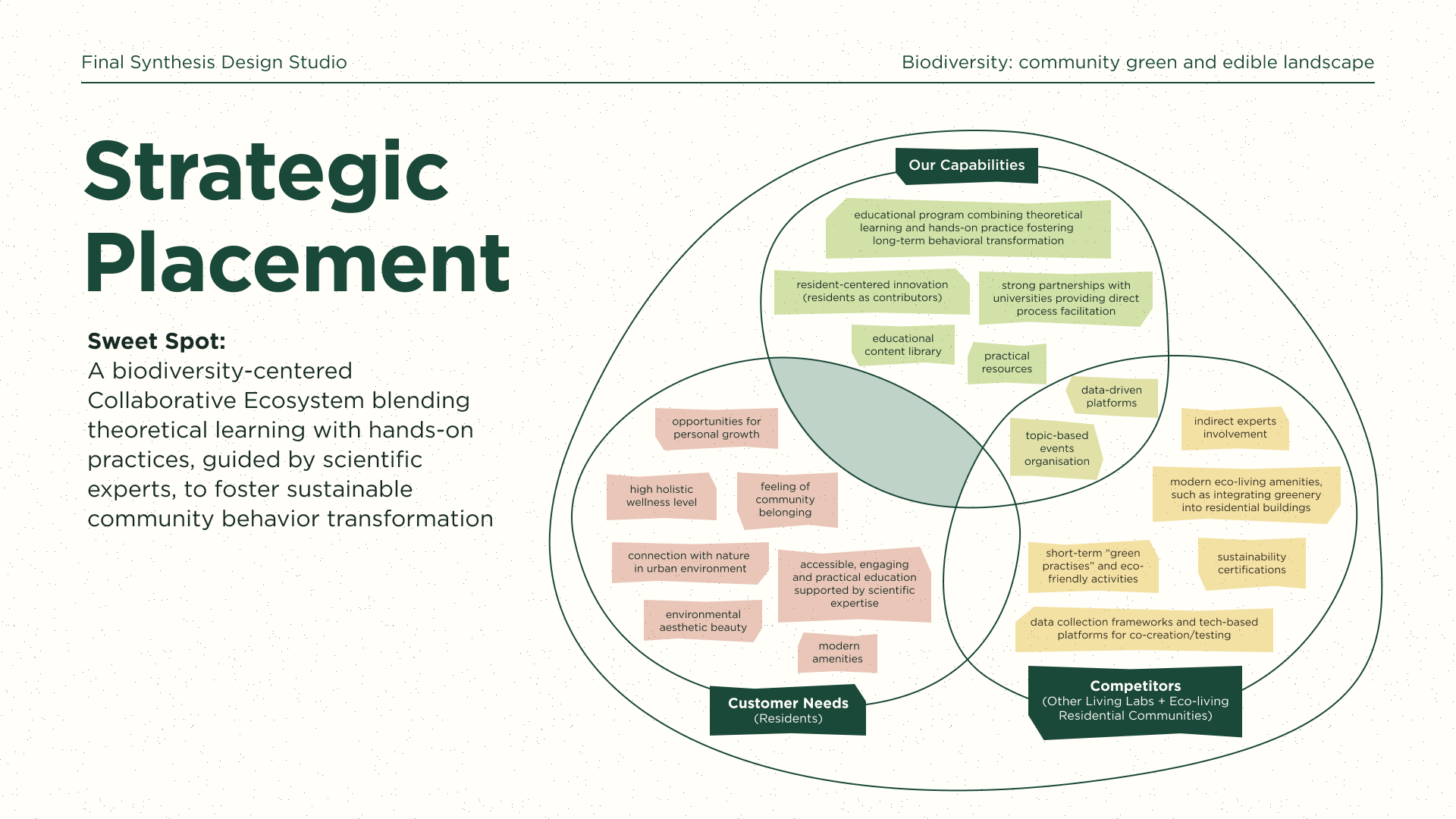
Vision
Missin
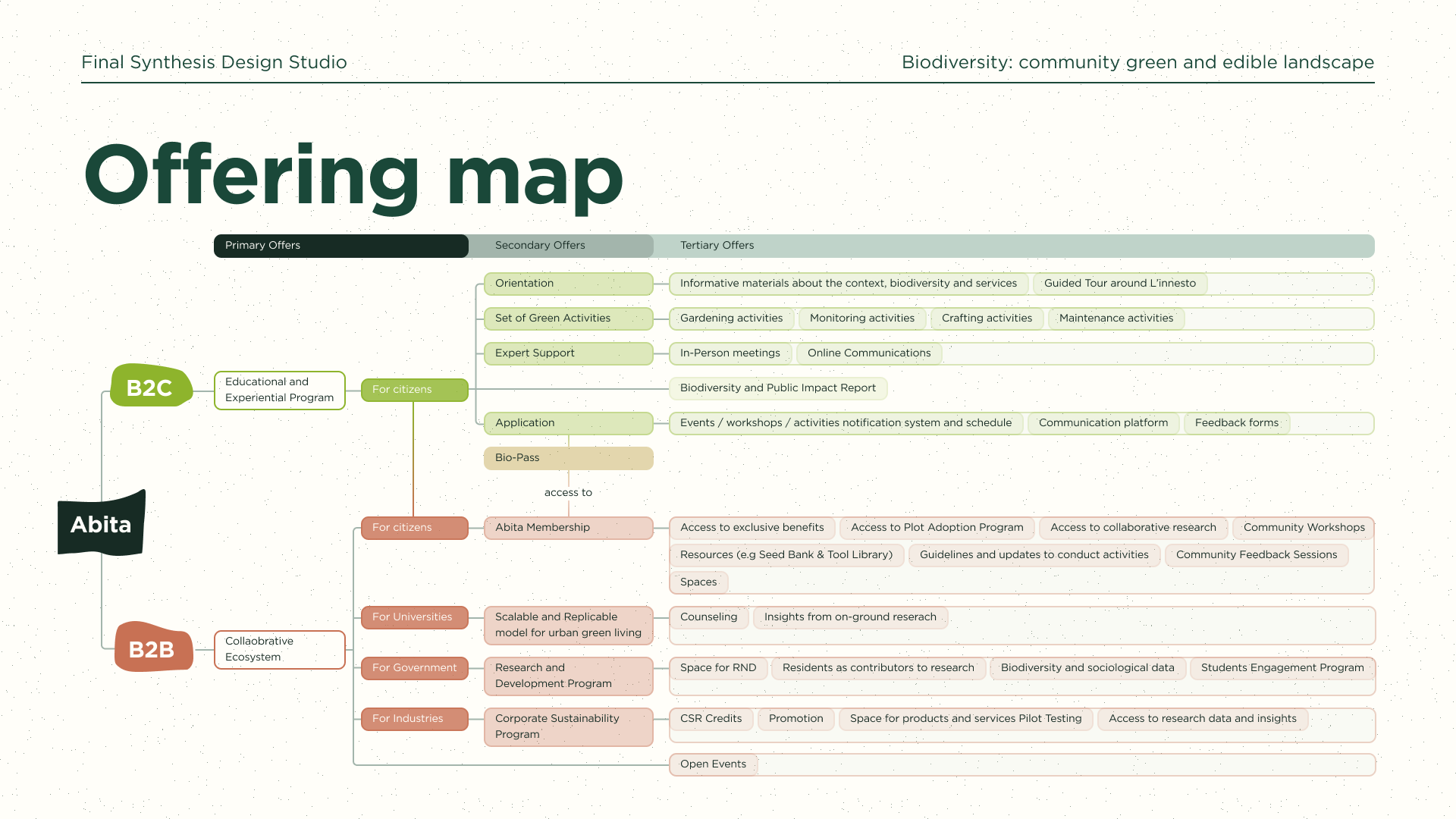
What Abita is doing?
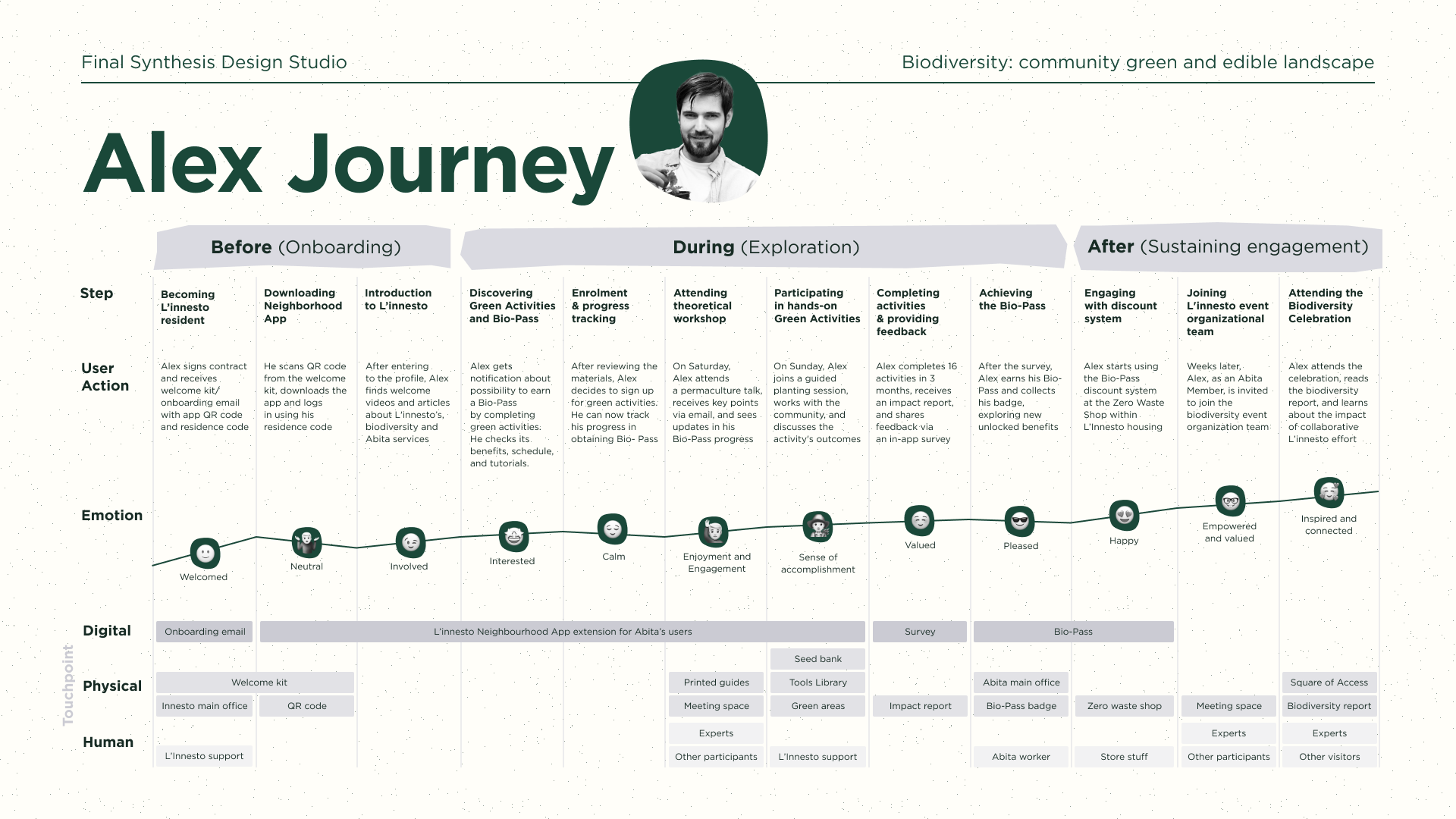
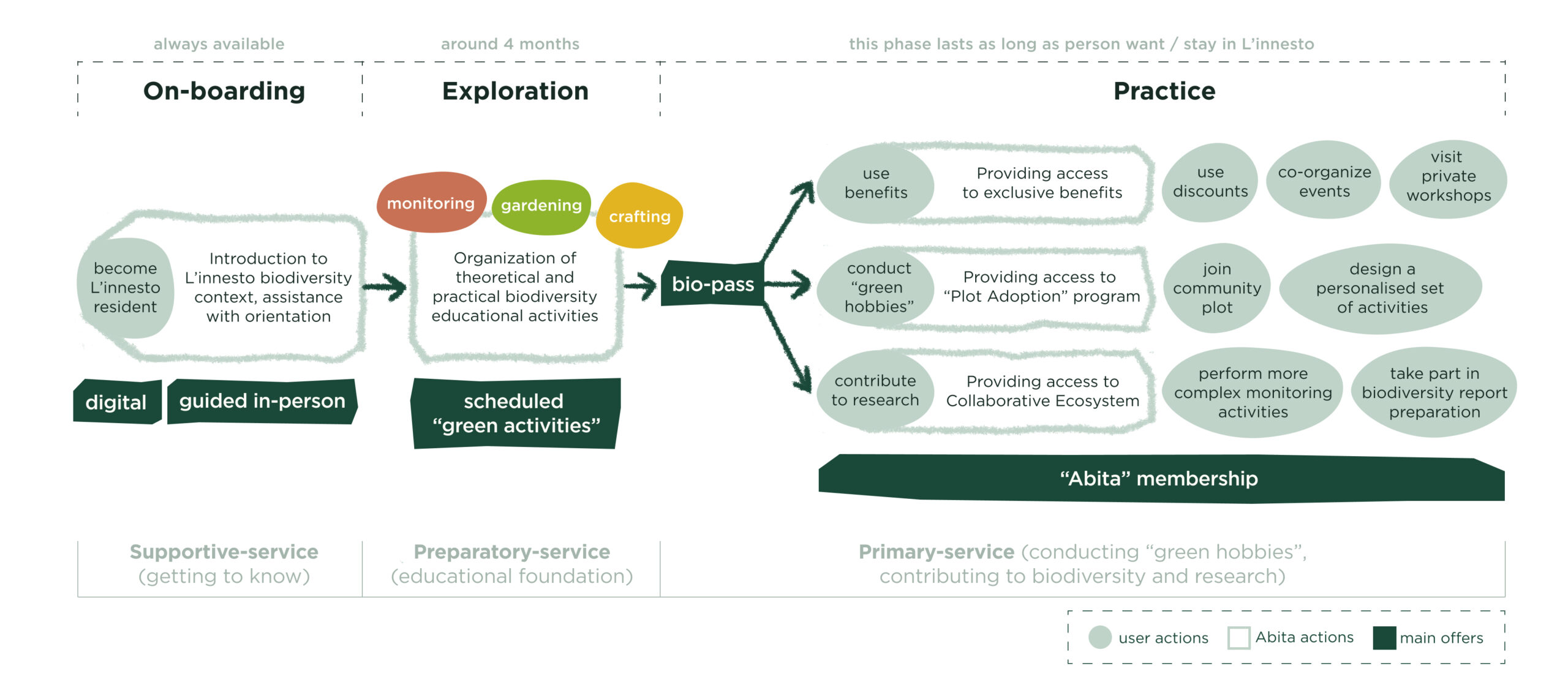
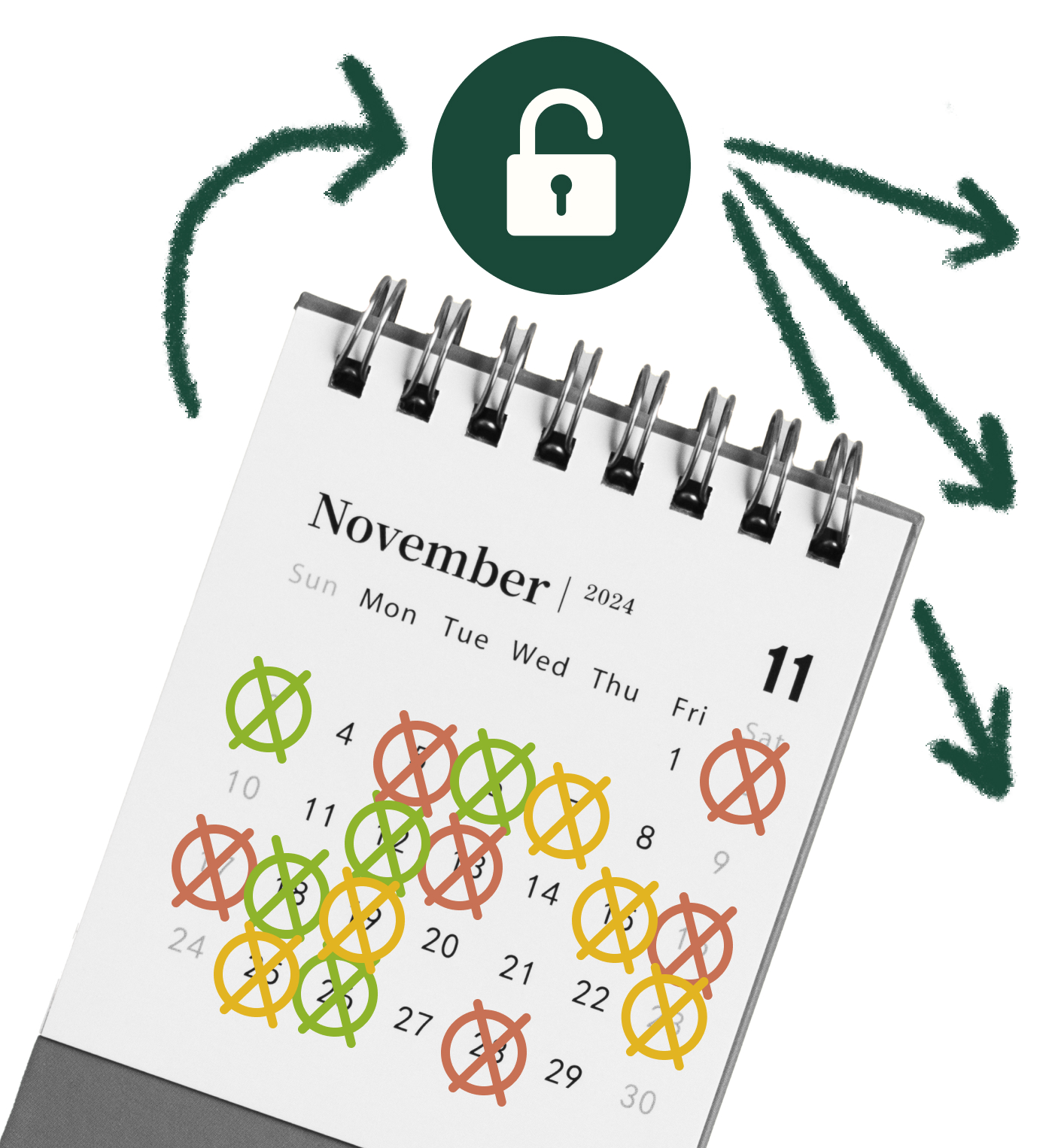
Program timeline (b2C)
oN BOARDING
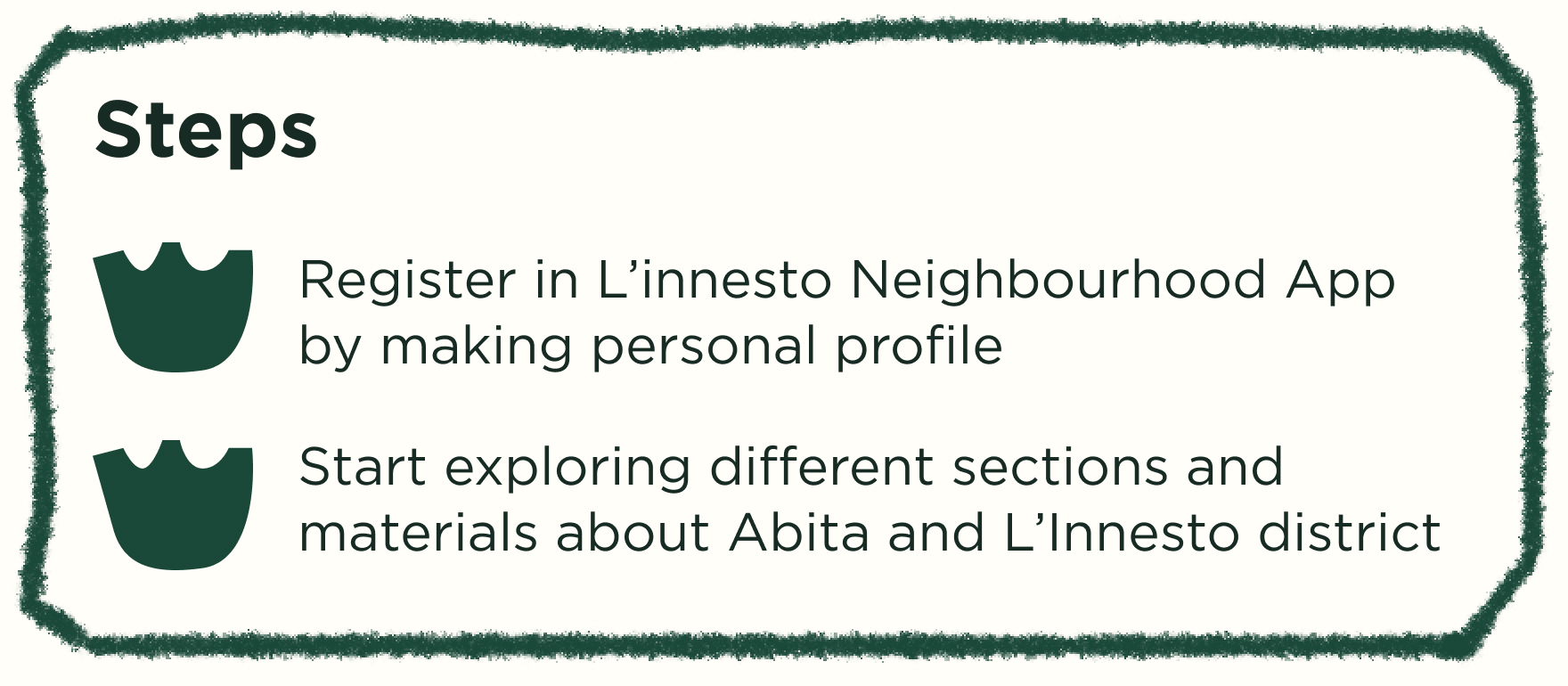
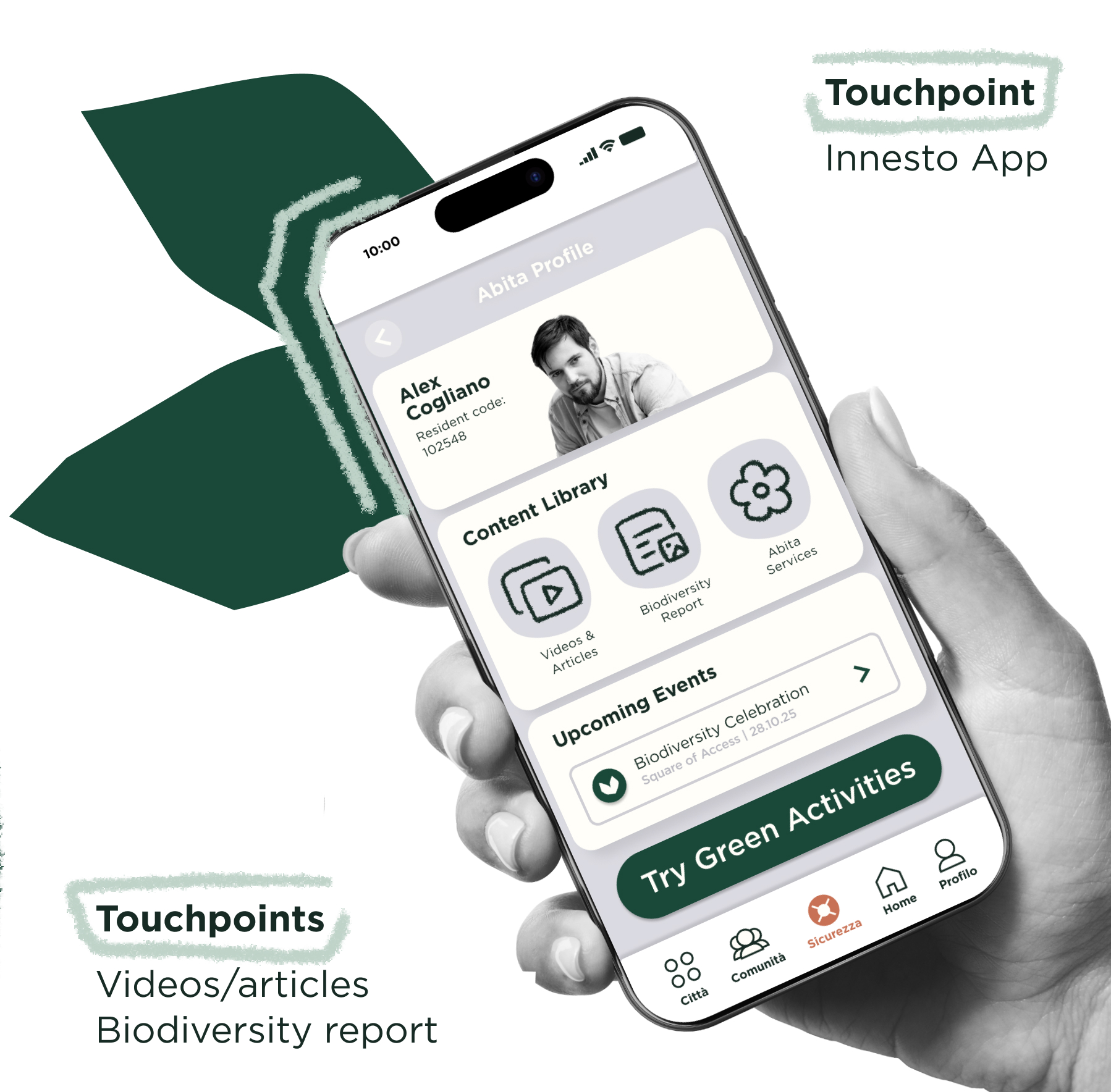
Digital orientation
Digital orientation
Introduction to L’innesto biodiversity context
Exploration
Guided Tour
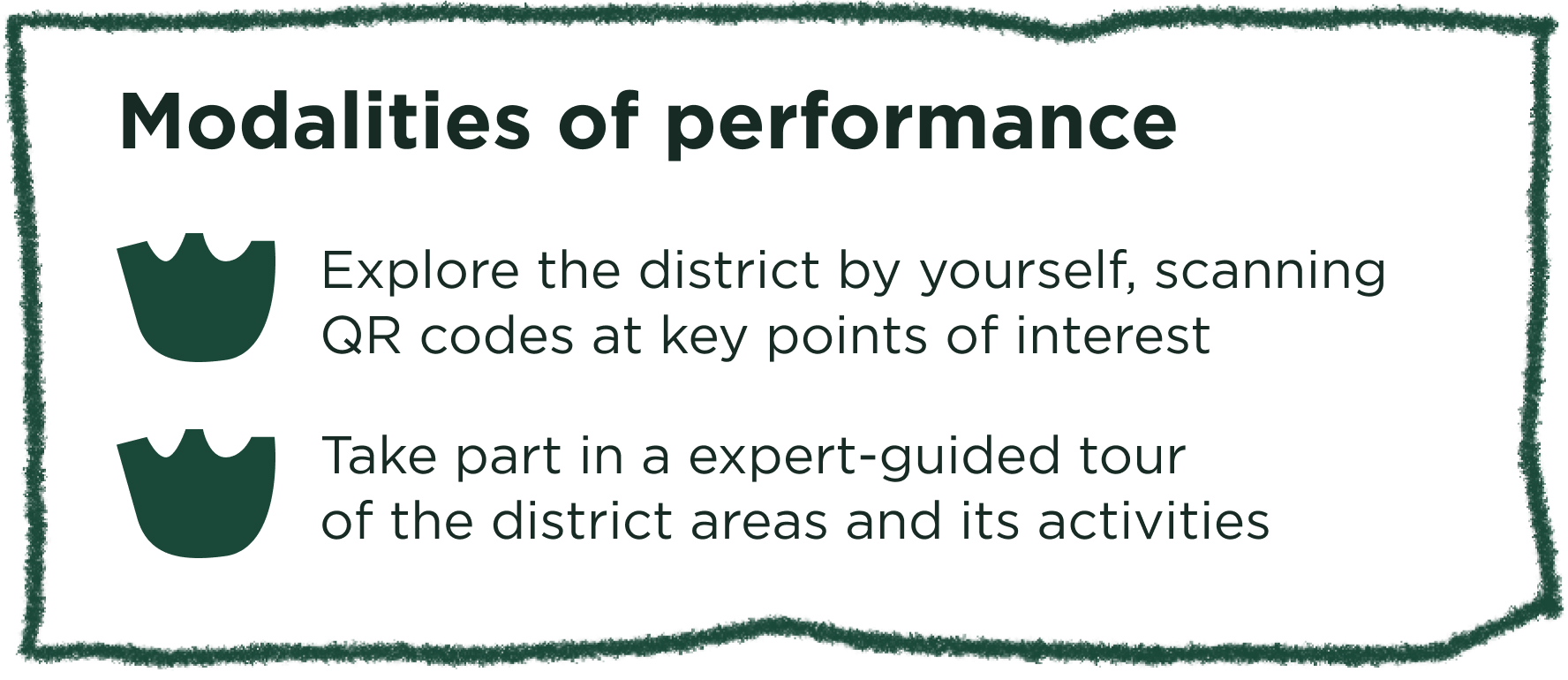
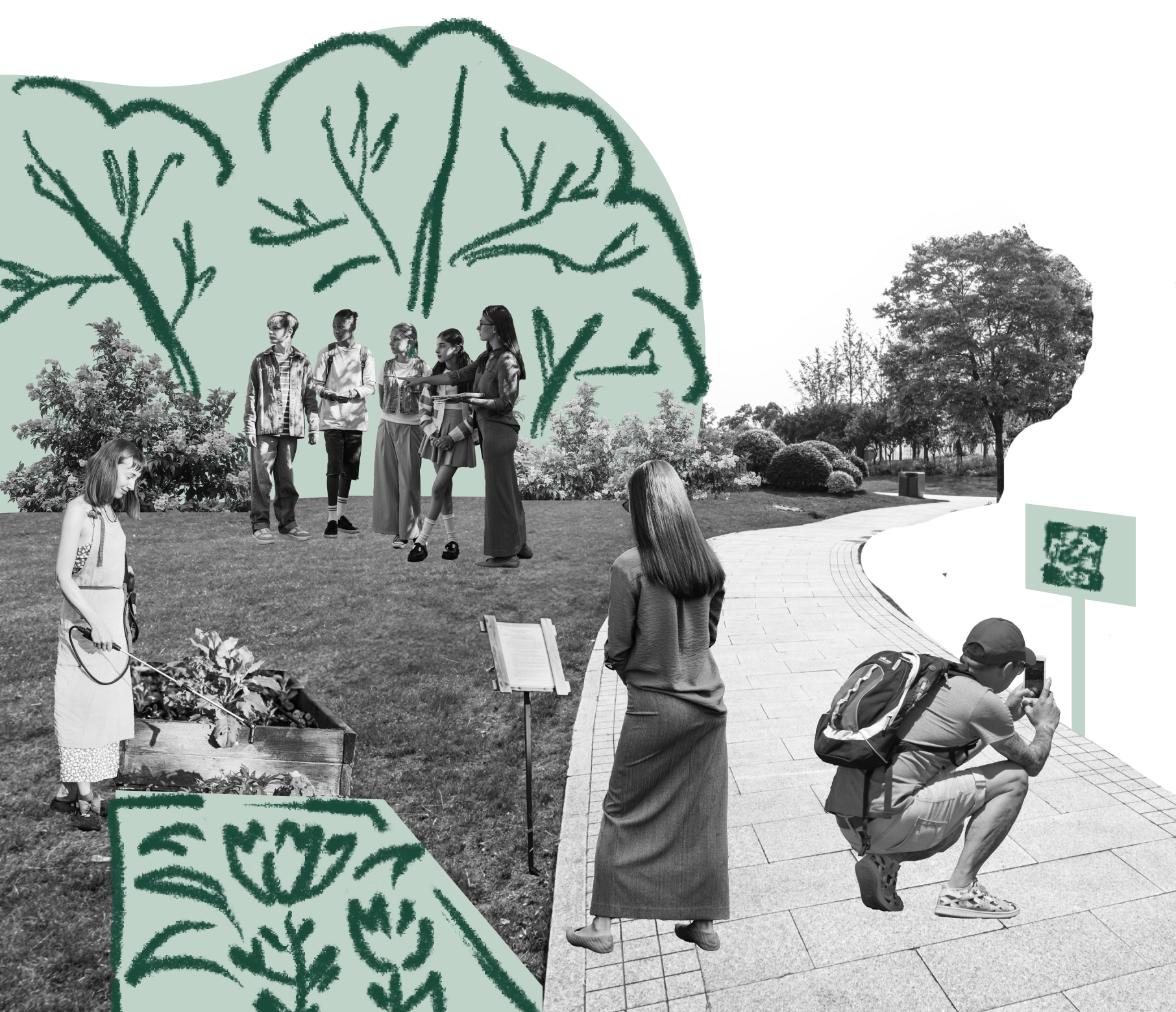
Walk through the area of L’Innesto and meet its flora and fauna. Discover activities and events about biodiversity
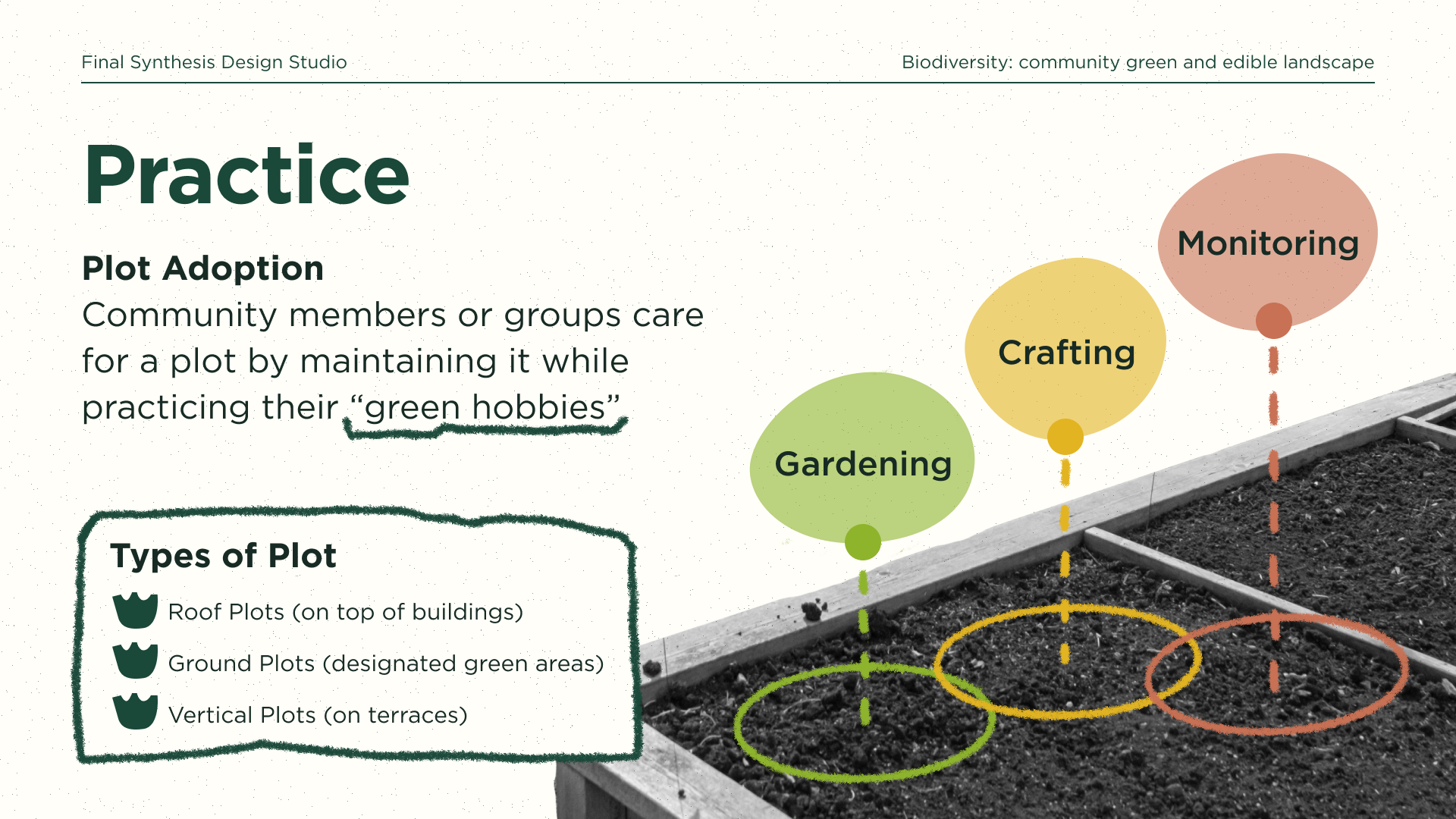
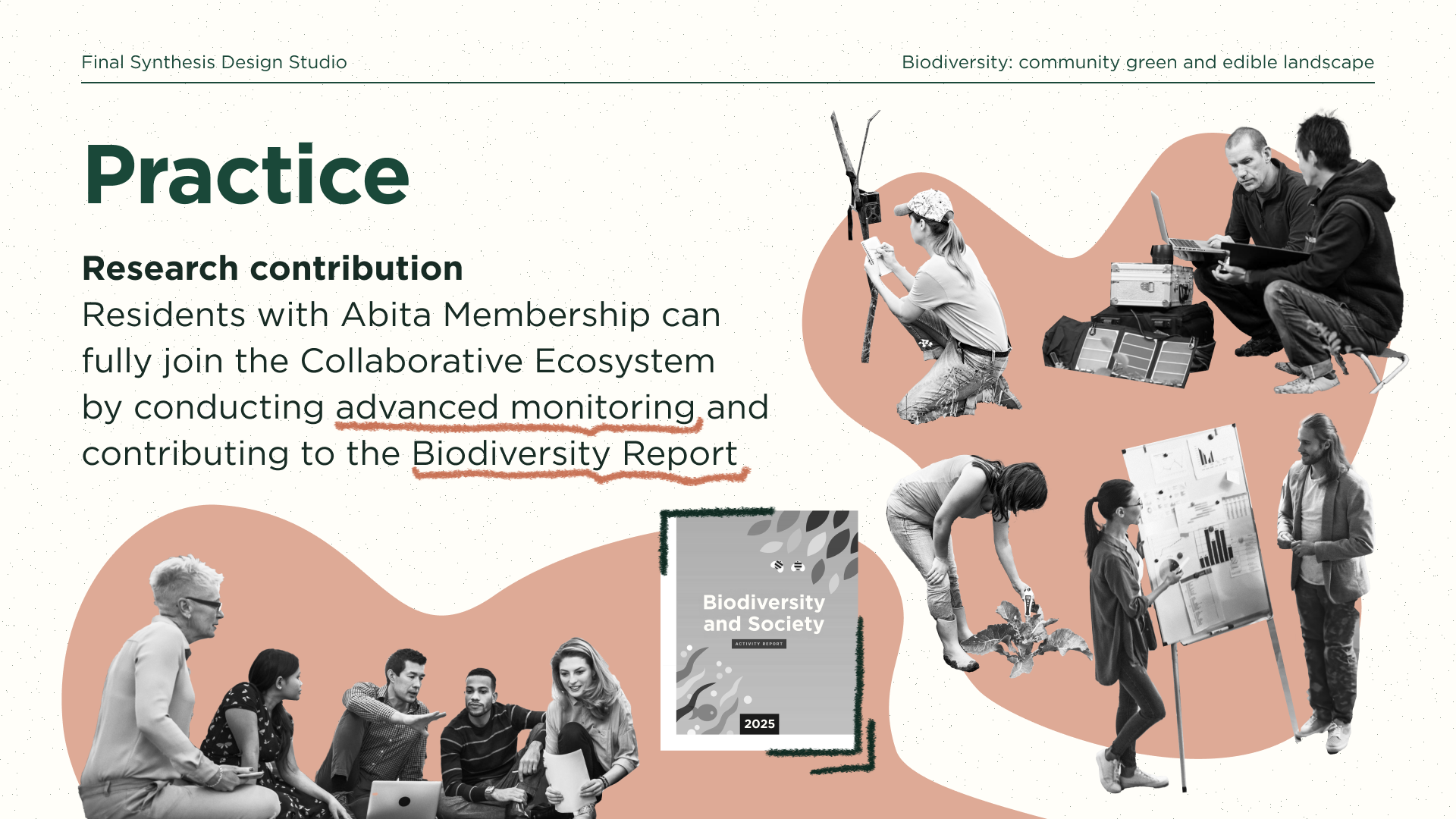
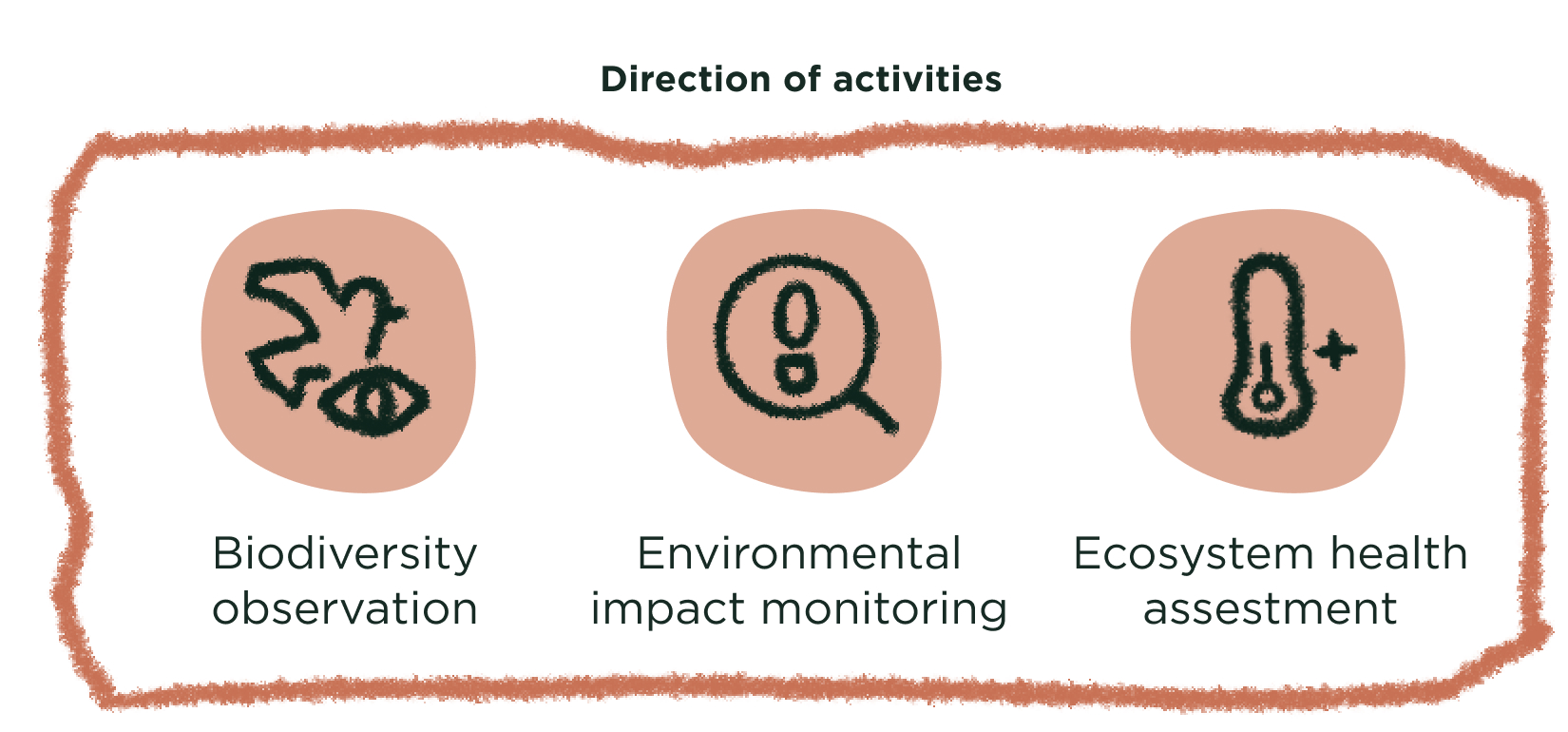
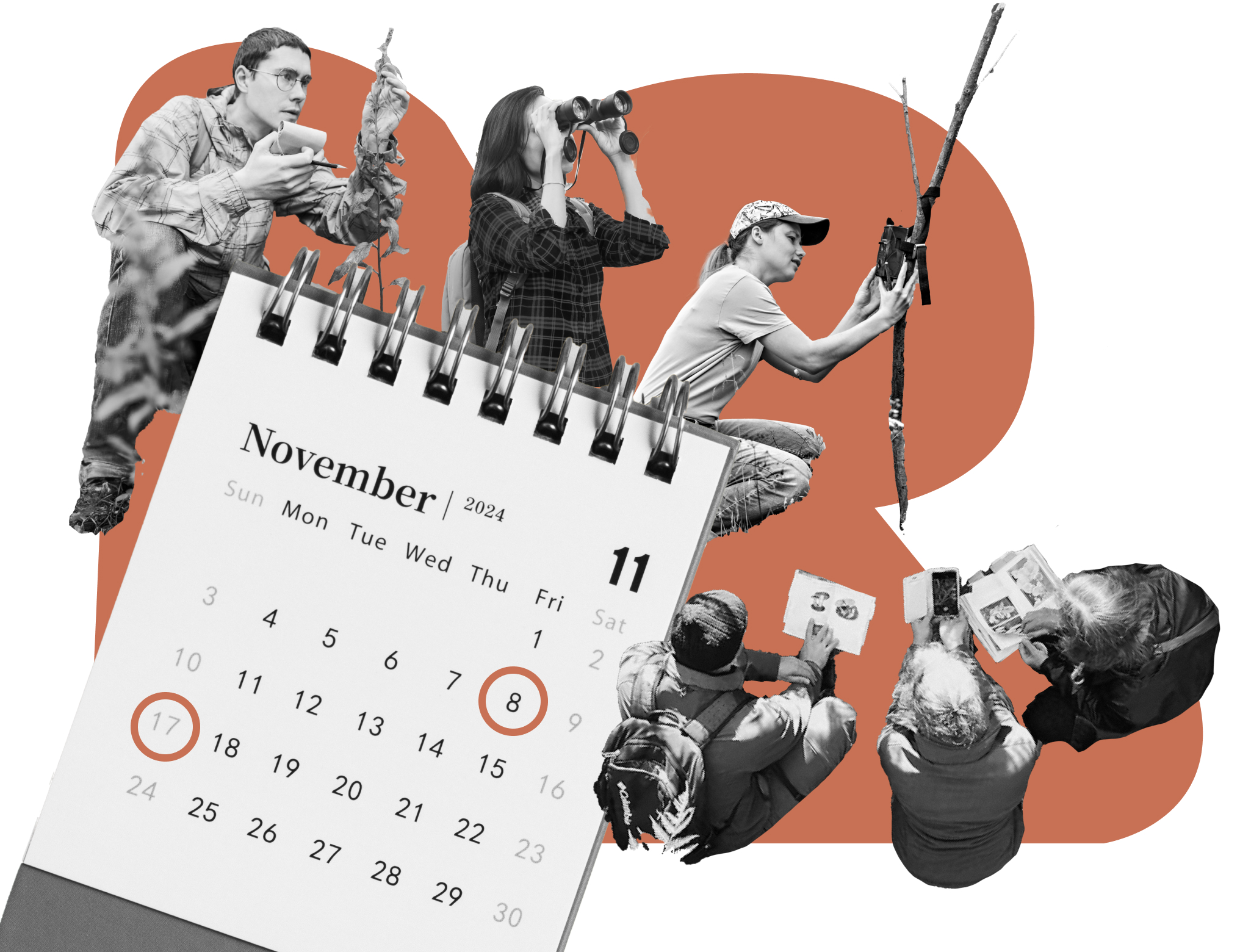
Monitoring Activities
Focus on hands-on
environmental data collection
to contribute to scientific research and biodiversity preservation
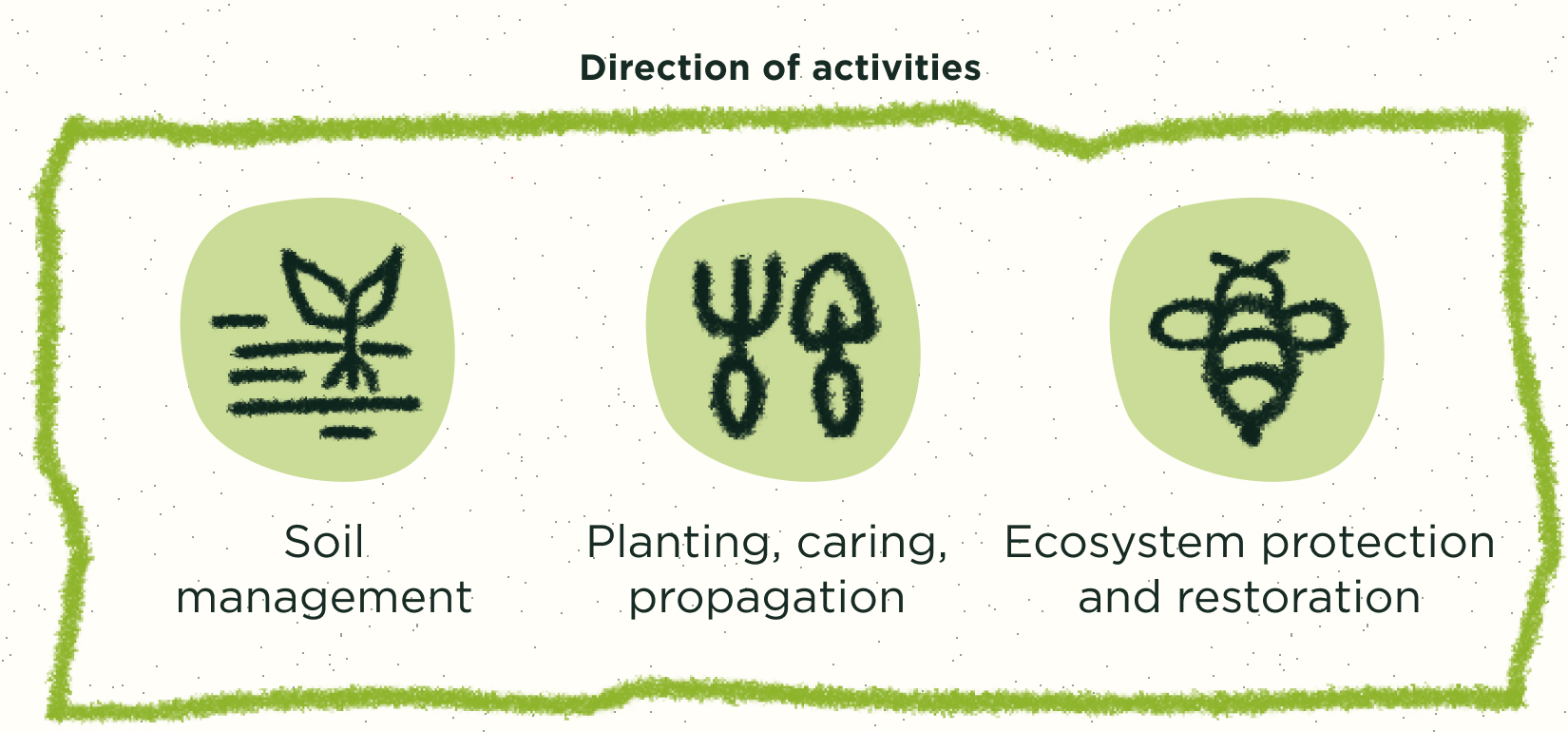
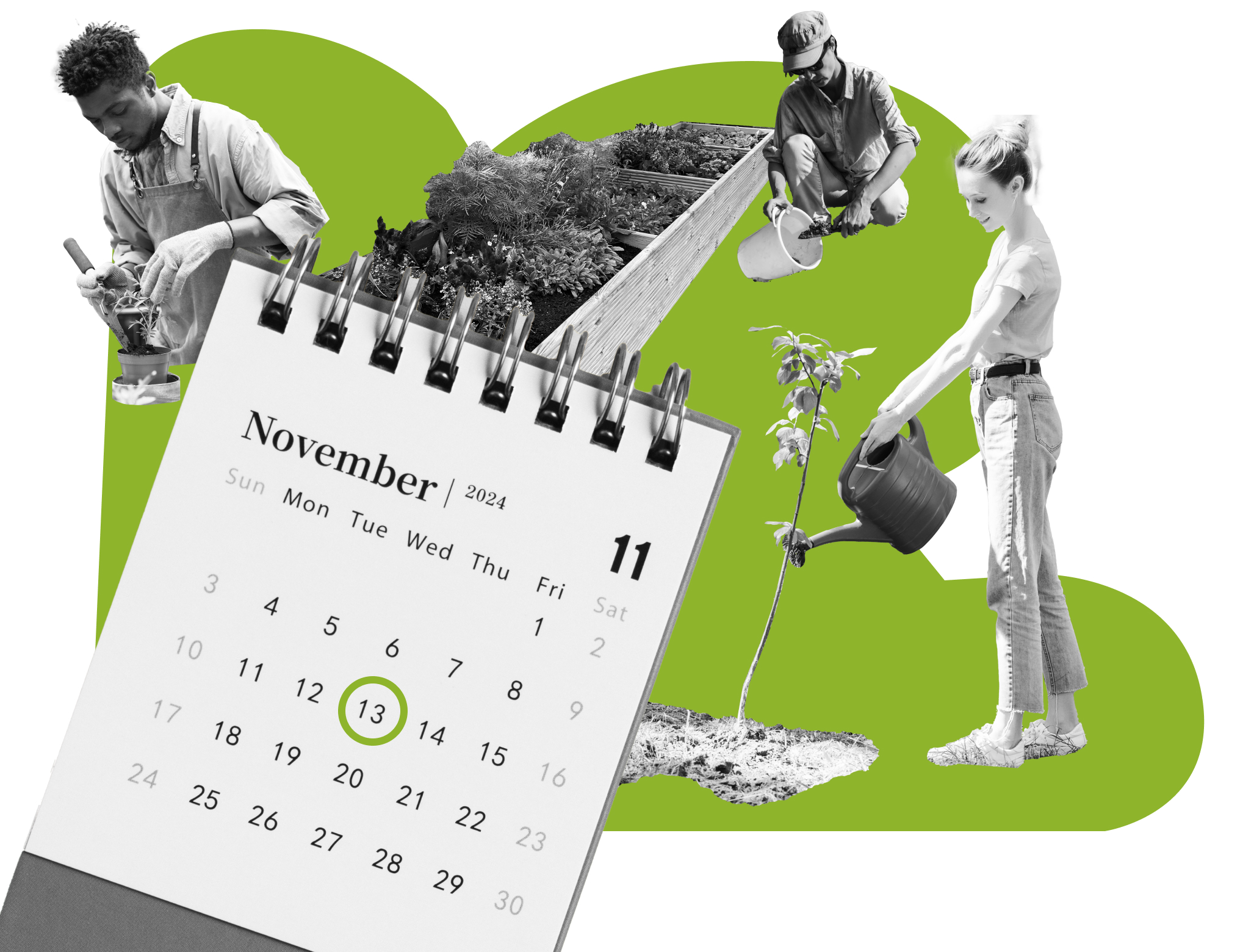
Gardening Activities
Develop skills in plants and local ecosystems management through practical gardening techniques
and ecosystem restoration
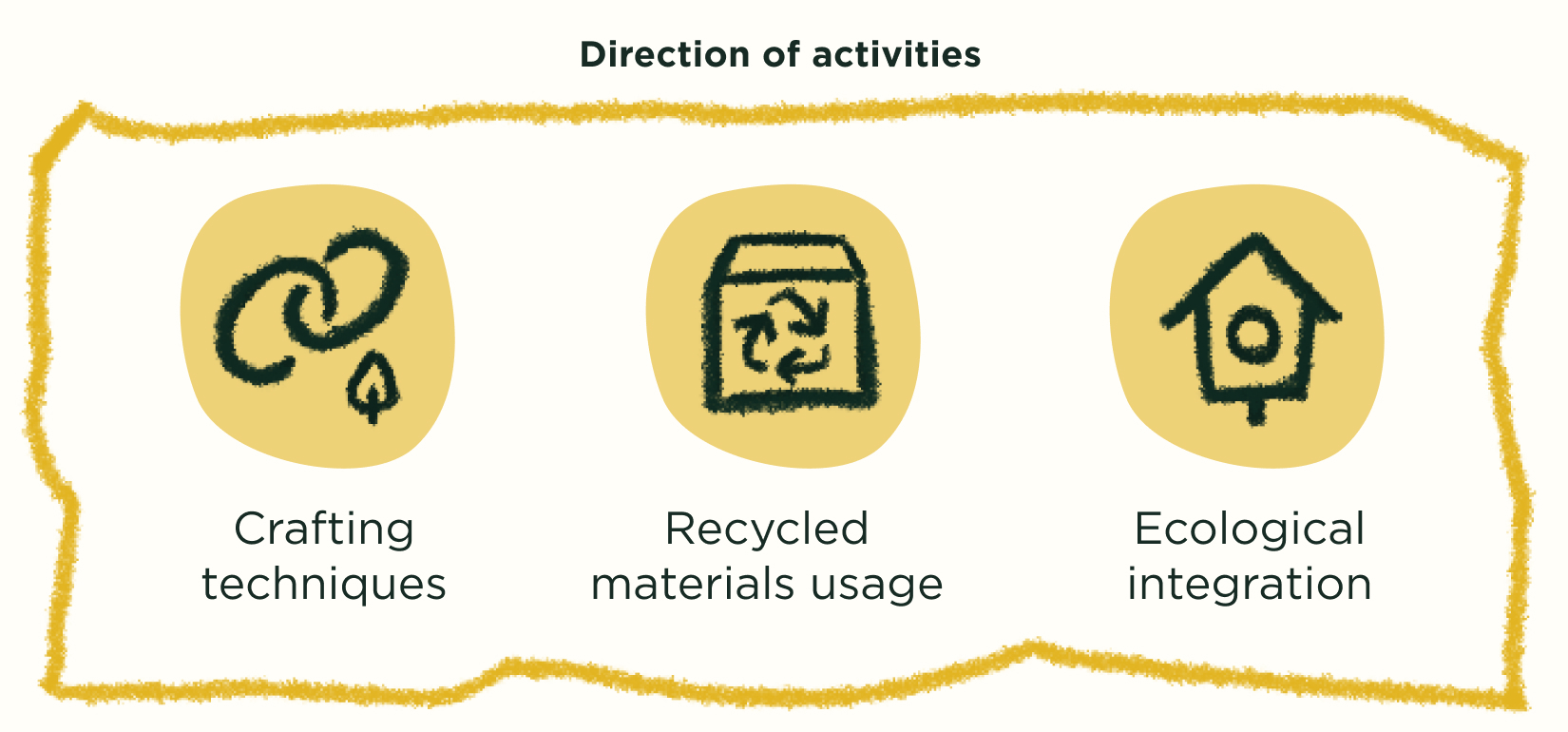
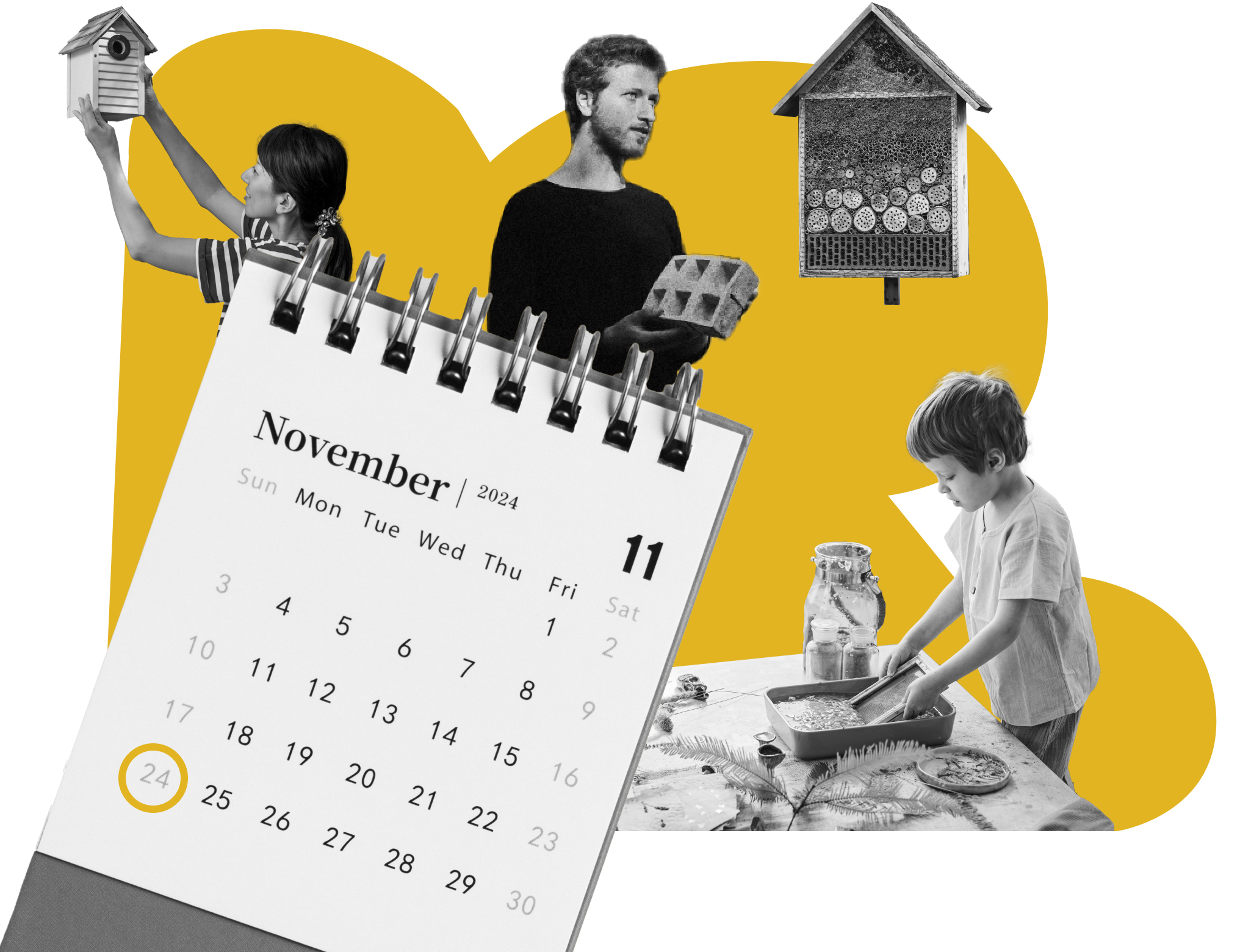
Crafting Activities
Combine manual skills with ecological awareness to create solutions that benefit local biodiversity and the community
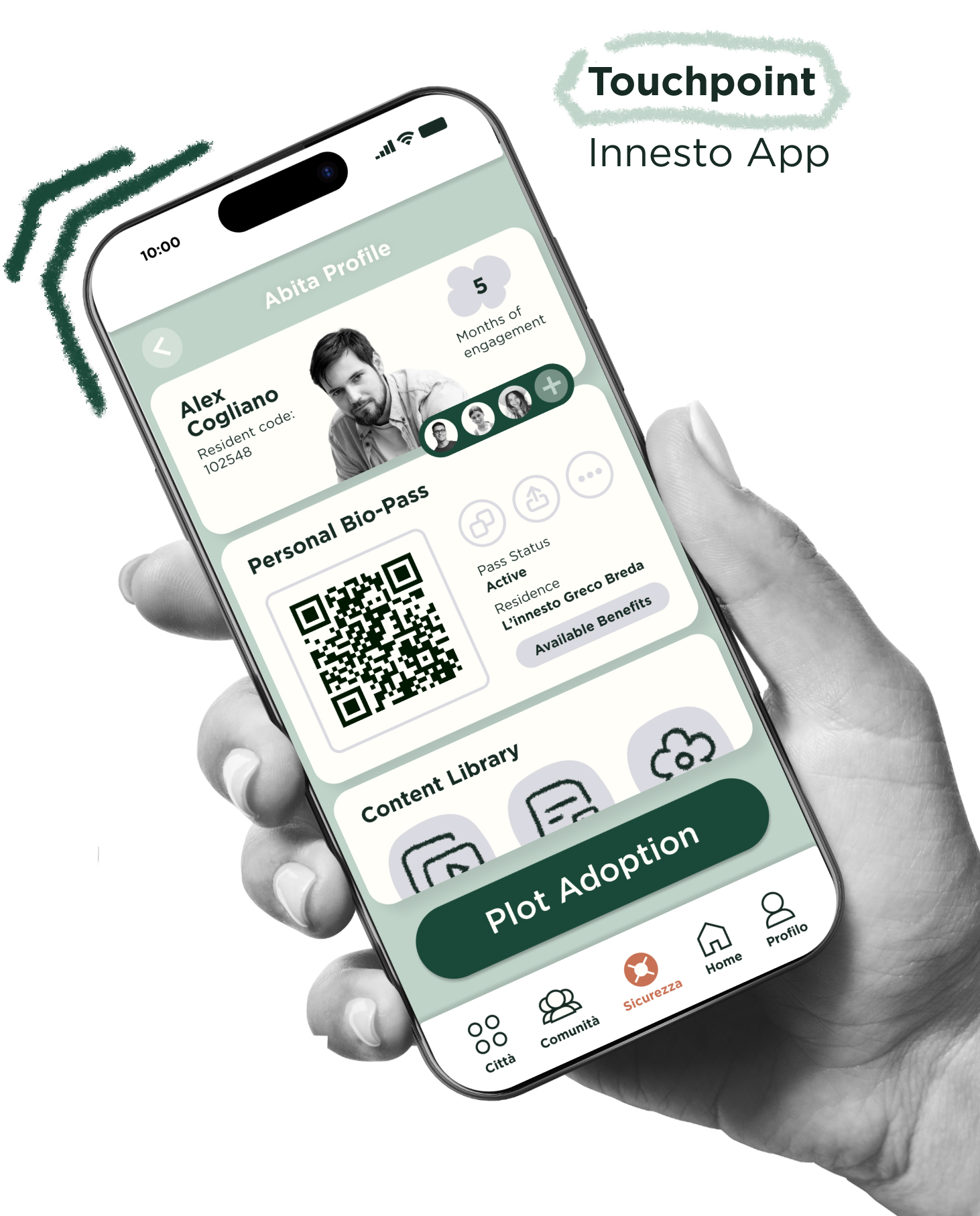
Bio-Pass
Visit private events, workshops and use discounts from the district
Plot Adoption Program
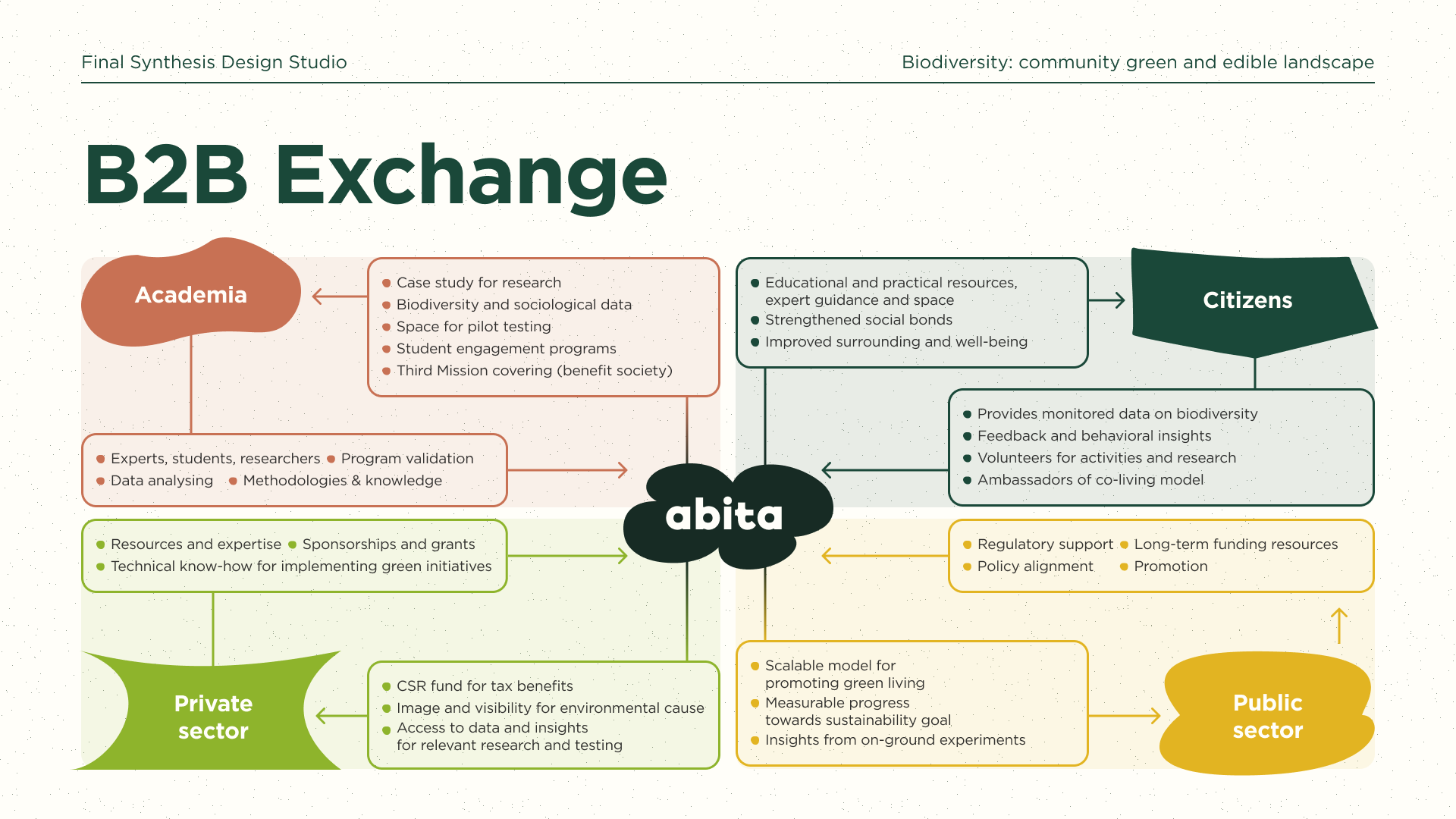
Be a part of Collaborative Ecosystem through
research activities
participation and return rate
which activities create the most engagement
use of the Bio-Pass and rewards
contribution to monitoring and biodiversity activities
whether the service can scale to other neighbourhoods
What I Would Measure
What I Learned
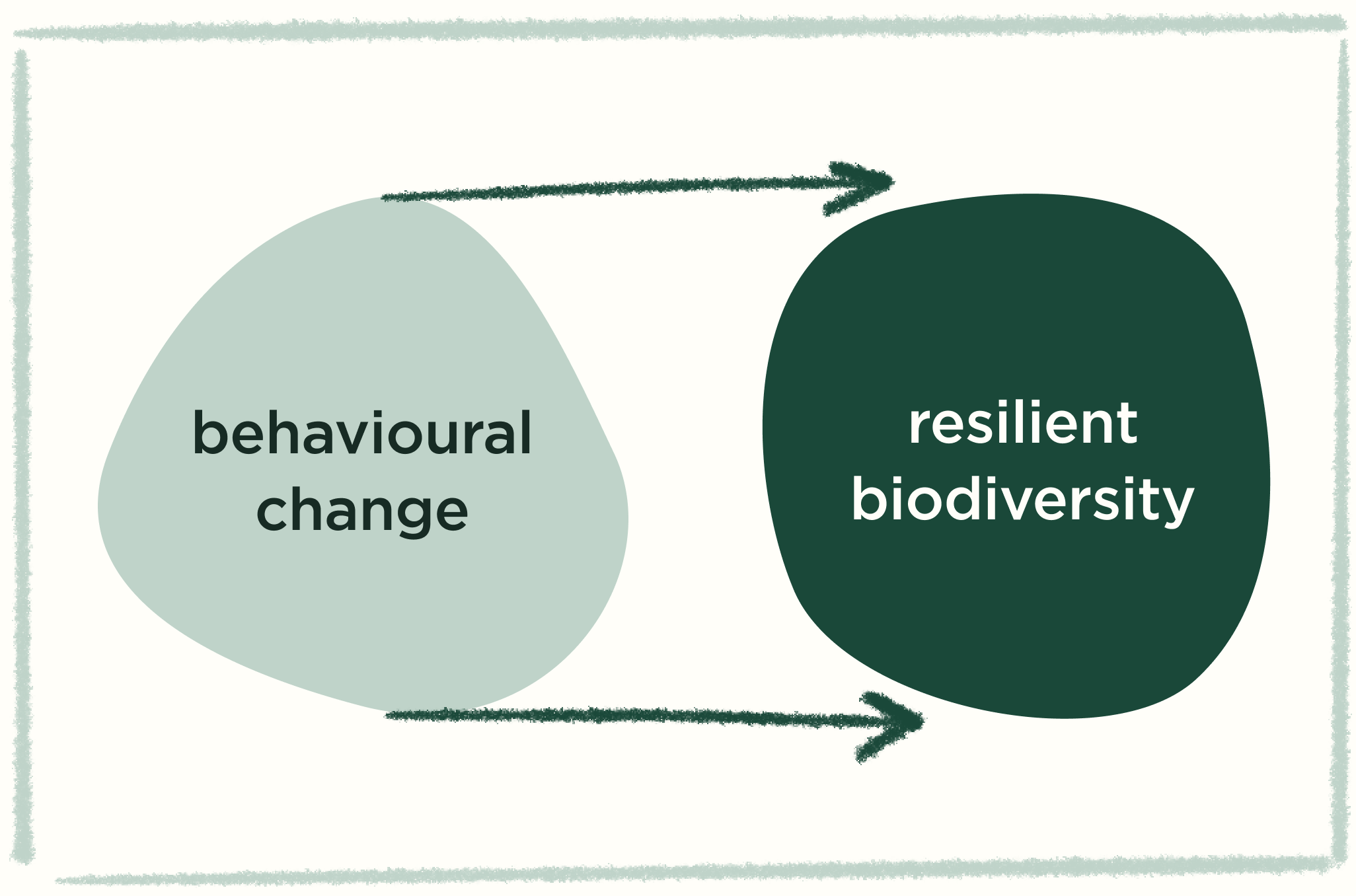
Sustainable behaviour becomes more meaningful when people can experience it, contribute to it and see their impact.
I learned that service design can connect education, community participation and digital tools to make biodiversity part of everyday life rather than an abstract topic.