








A Service Design Approach to AI-Driven Responsible Food Tourism

Shifting from Extractive Consumption to Generative Participation.

MY ROLE

Product & Service Designer · UX Researcher

Output

AI-assisted service concept · Digital service layer

Context

Master’s Thesis · Collaboration with Ecobnb

Tools

Figma, LM NOTEBOOK, ChatGPT, Stitch

Project Overview

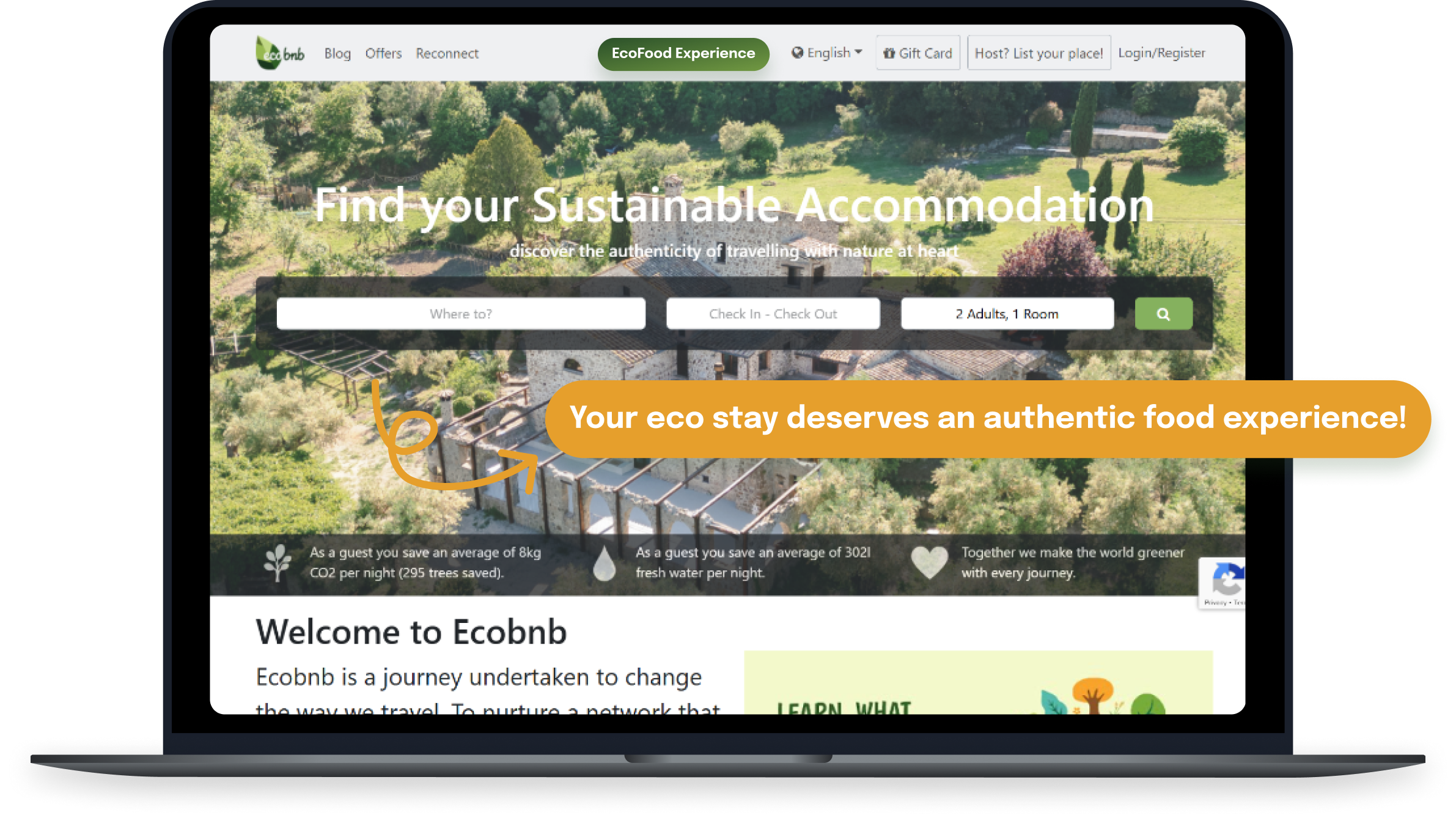
EcoFood Experience was my Master’s thesis, developed in collaboration with Ecobnb.

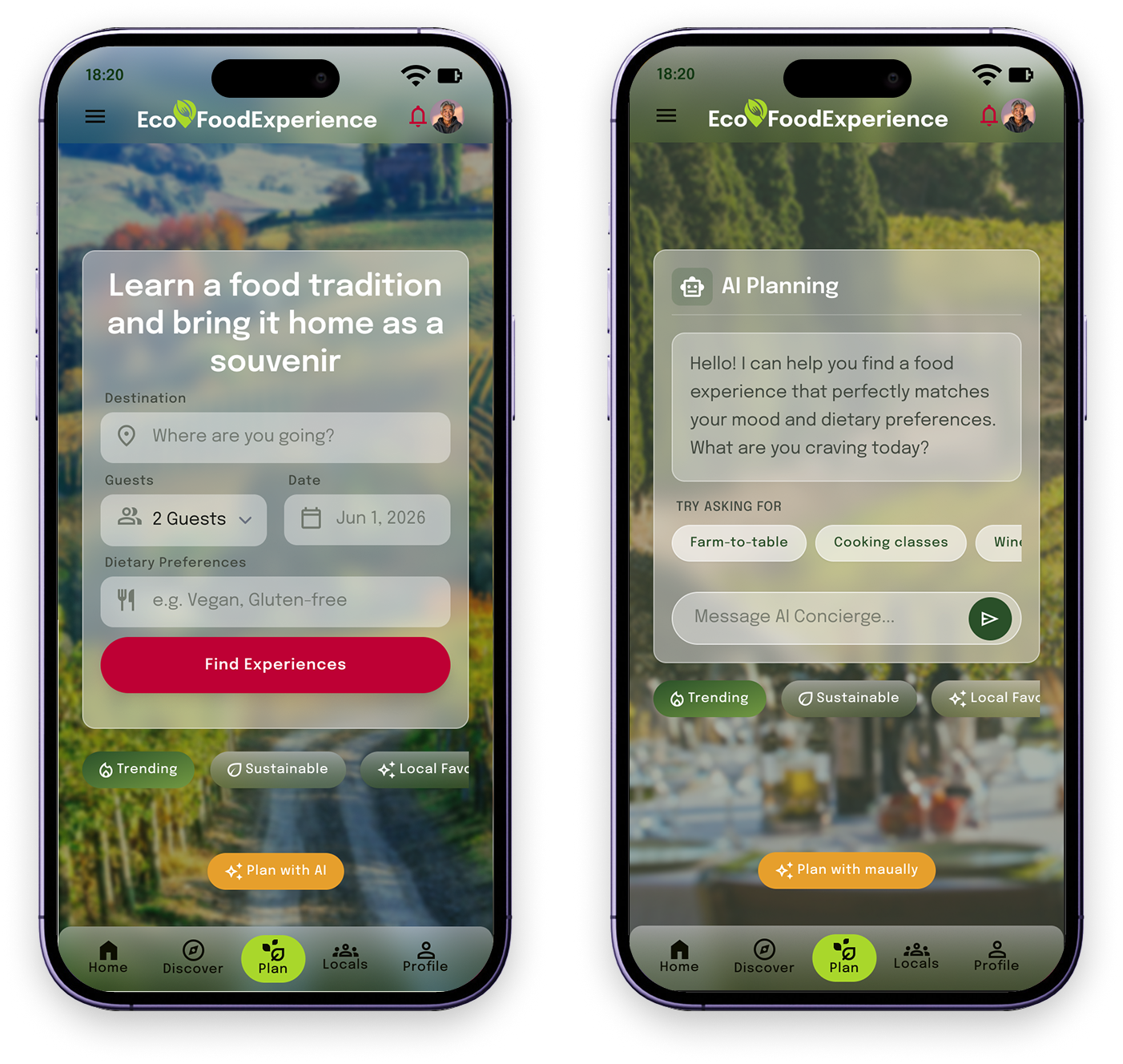
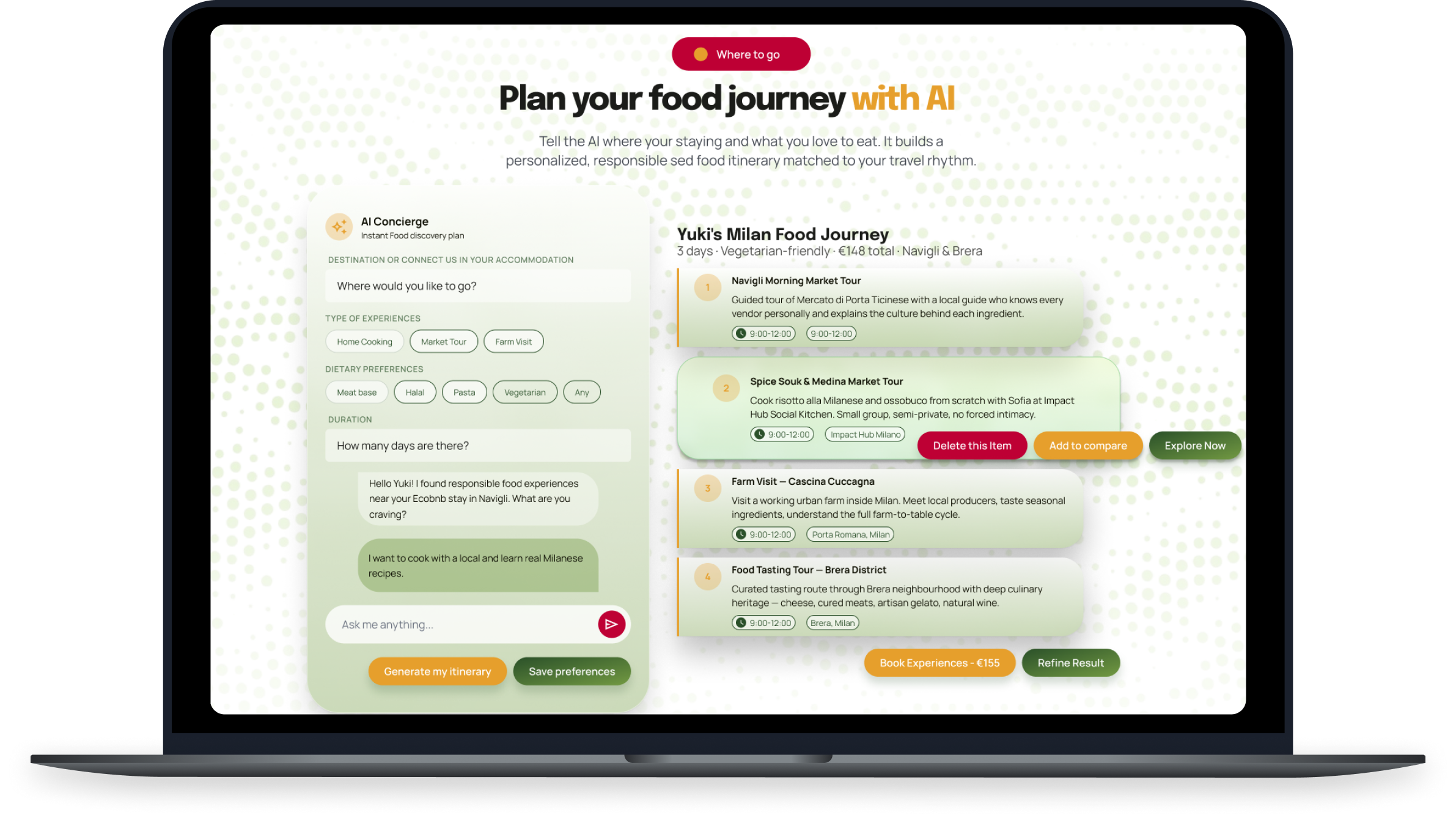
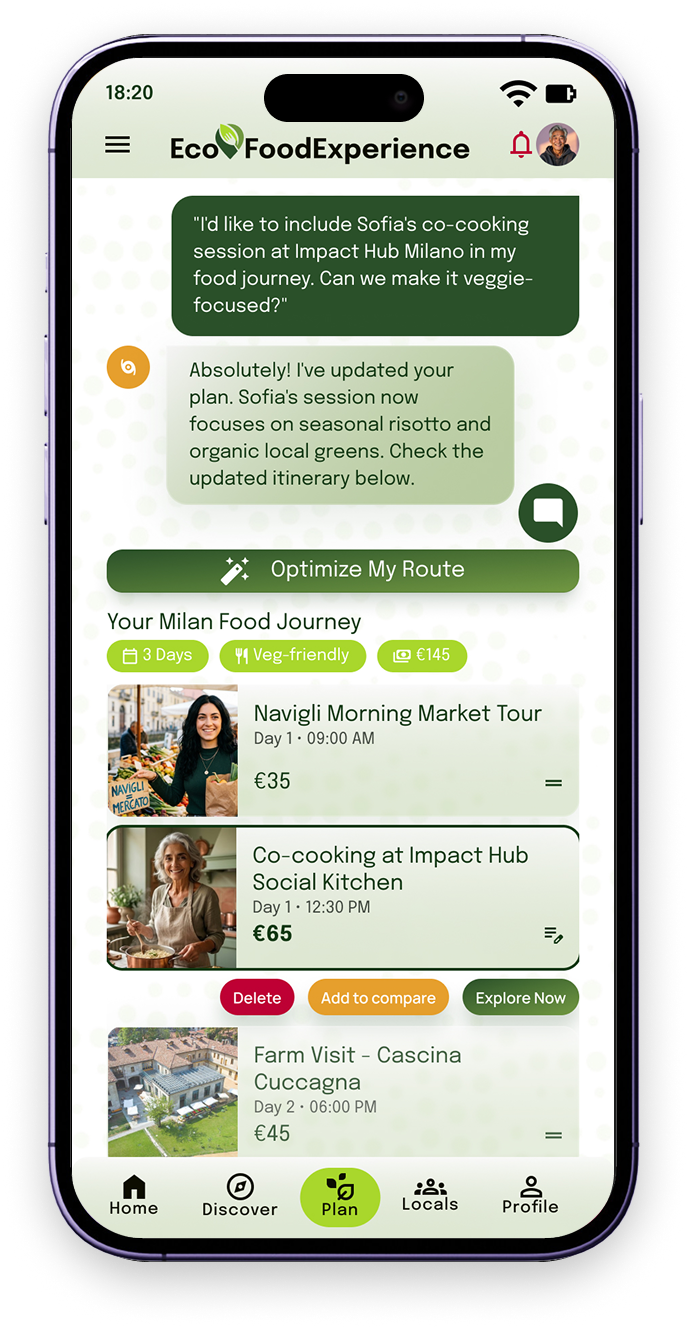
The project explores how AI can help travellers discover authentic local food experiences while keeping users conscious of, and in control of, their decisions.

Frame 247
Frame 254

Food Tourism as a Design Opportunity​

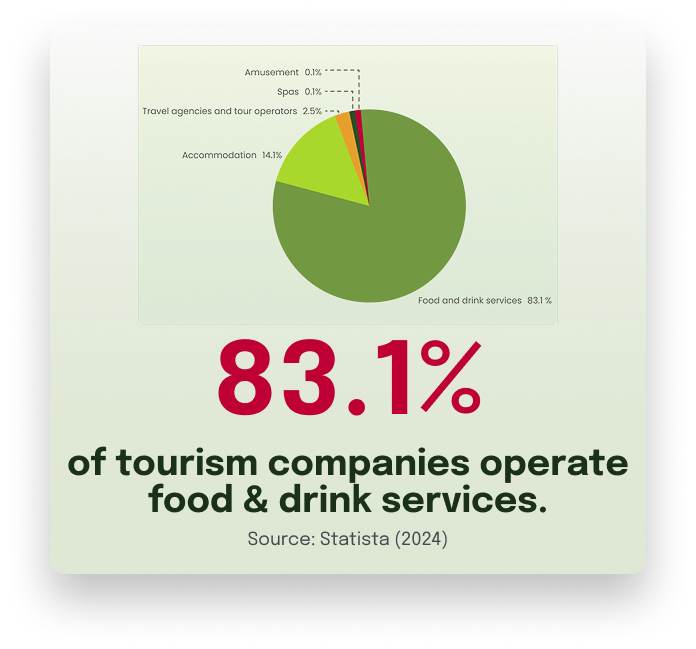
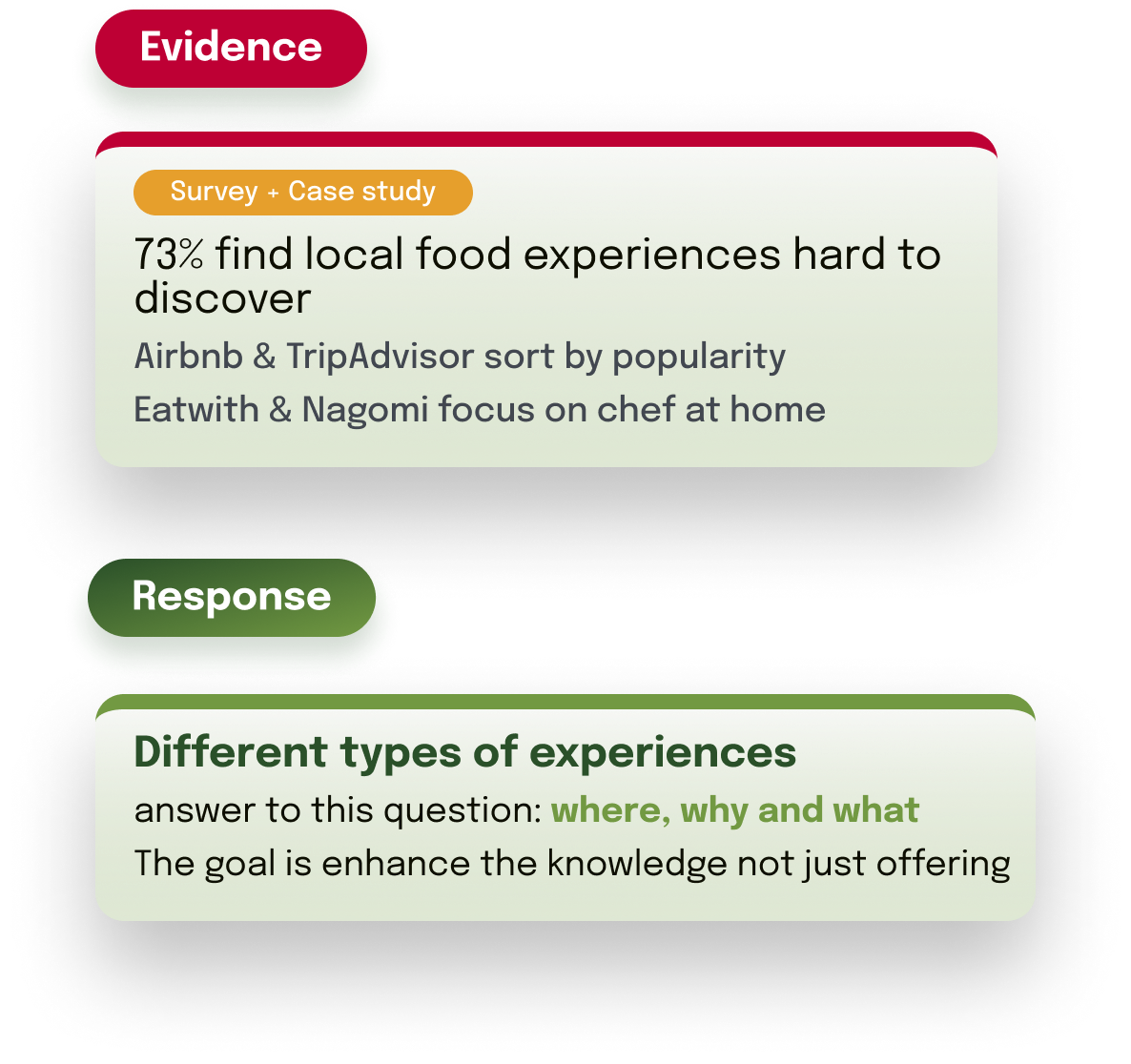
Food is economically important, yet digitally fragmented

This fragmentation reduces the visibility of local food practices and limits meaningful engagement between travellers and host communities!

Accommodation, Transport, and attractions are widely standardizes with sustainable criteria and seamlessly are integrated within online booking systems.

No food experience! Food experiences remain scattered across separate websites or left to informal, independent discovery.

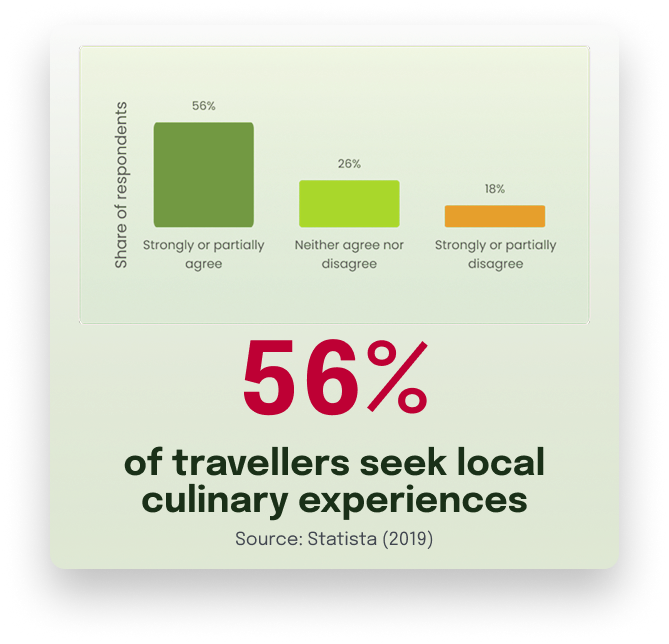
How might we help travellers discover authentic local food experiences without missing the communities behind them?

How might we help travellers discover authentic local food experiences without missing the communities behind them?

So, what is the problem?

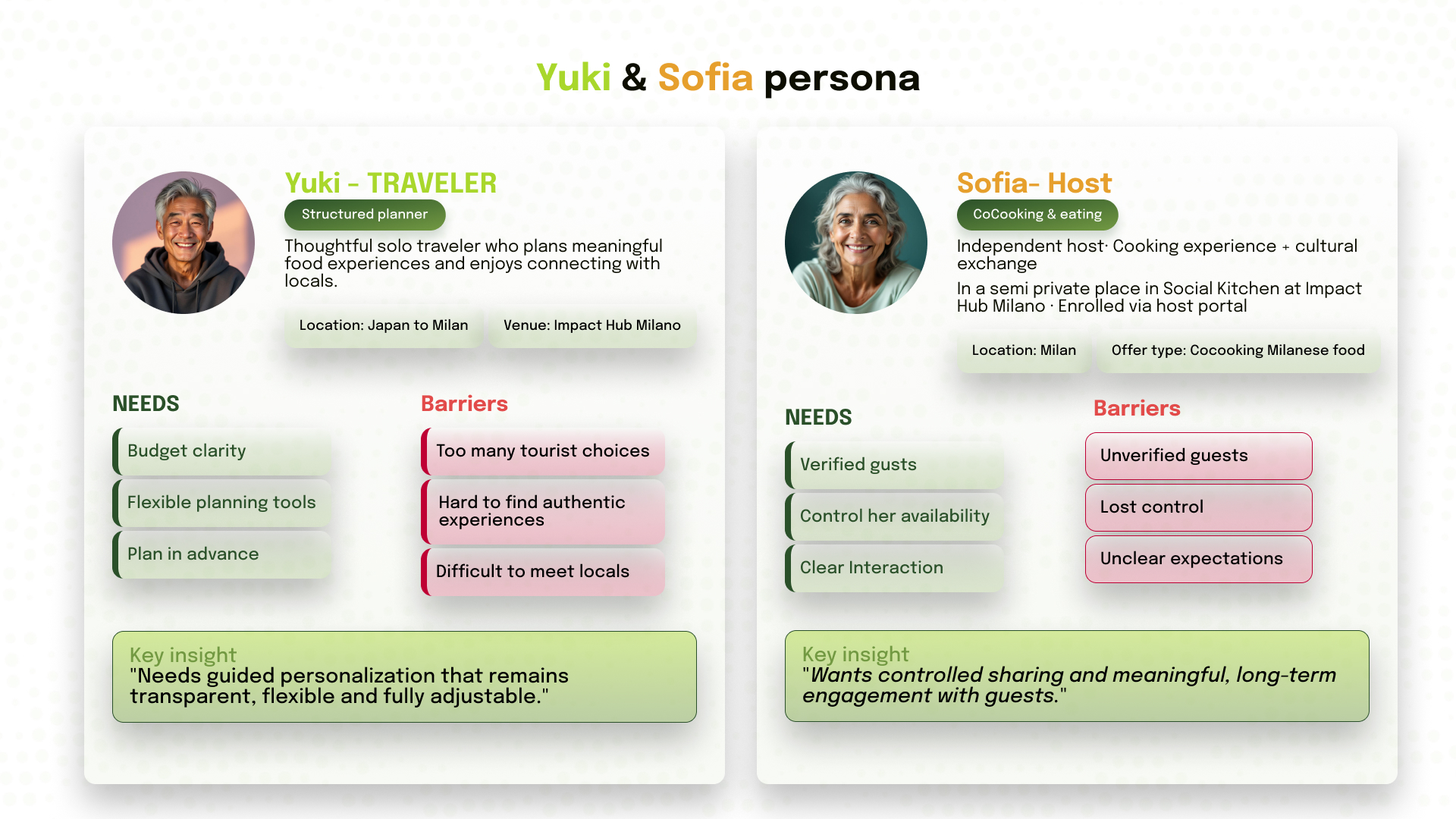
The service aims to create value for both travellers and local hosts.

The service aims to create value for both travellers and local hosts.

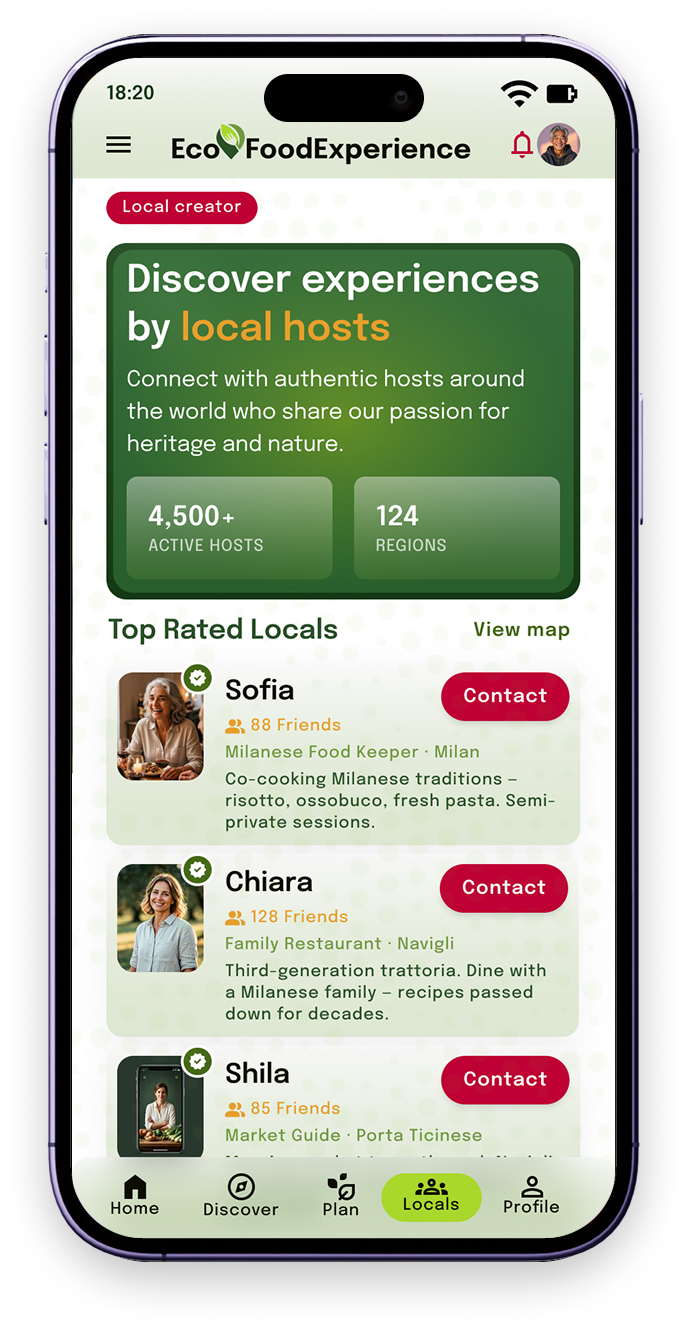
For local communities, it helps keep local food experiences visible and connected to tourism.

Intended Impact

gene
Vector 3293
mass

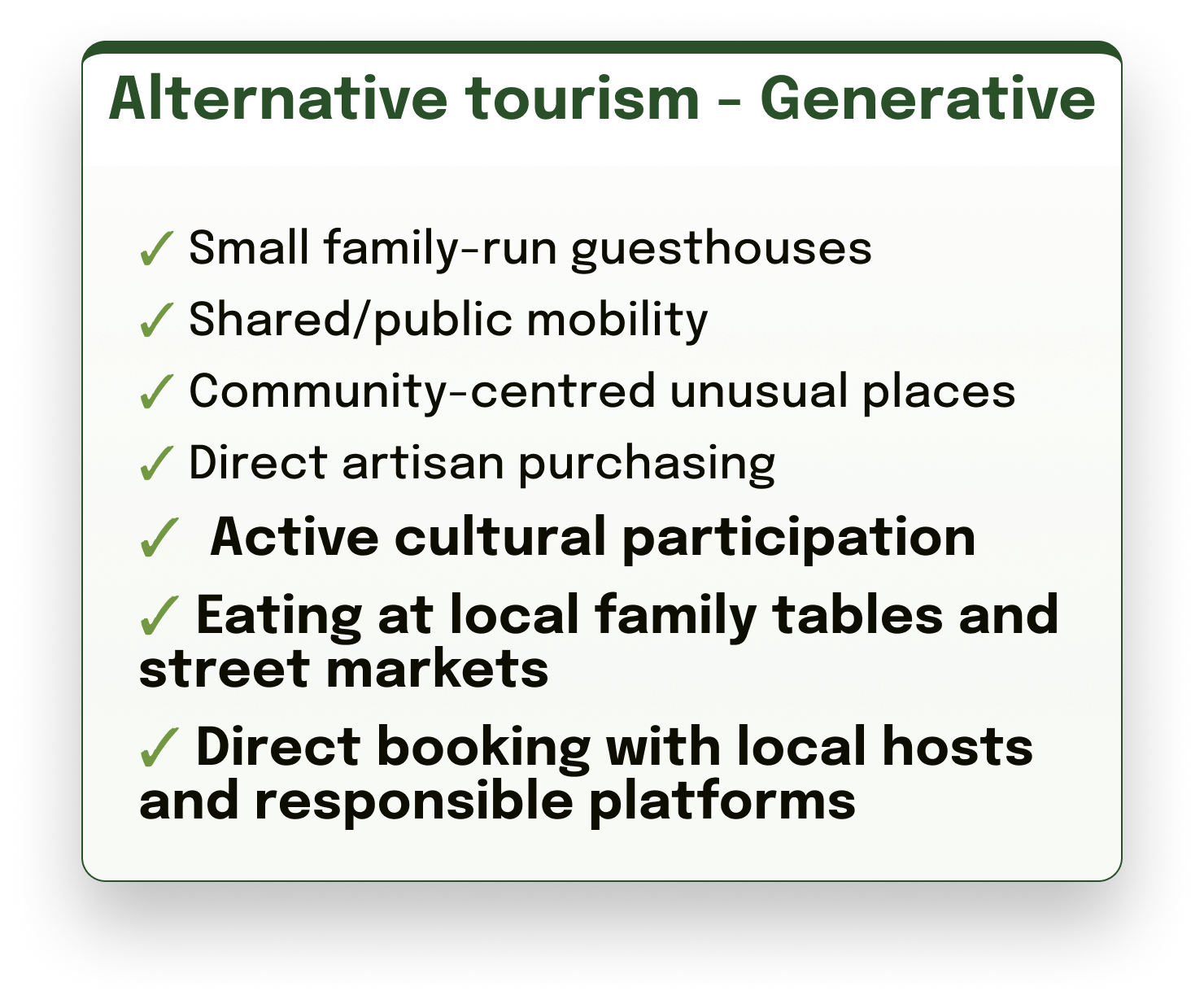
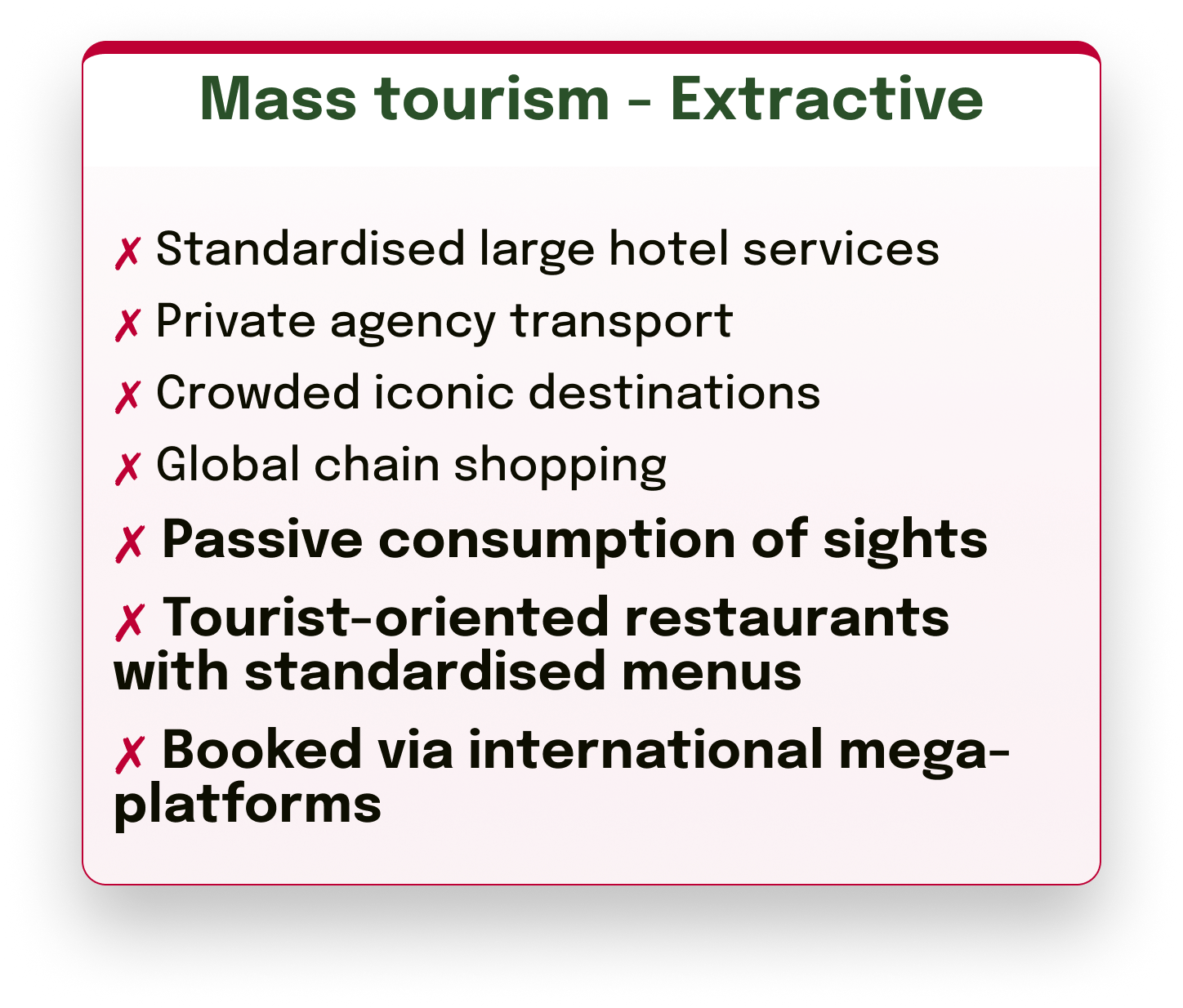
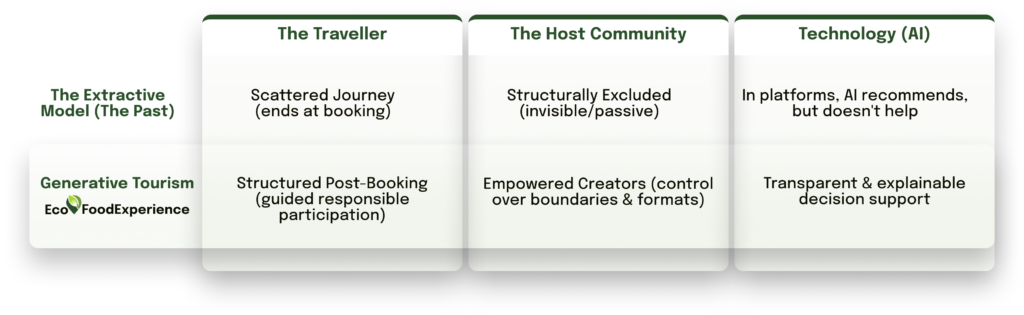
The necessary shift from extractive consumption to generative participation

Food tourism plays an important role in enabling this transition because it creates direct connections with local culture and communities

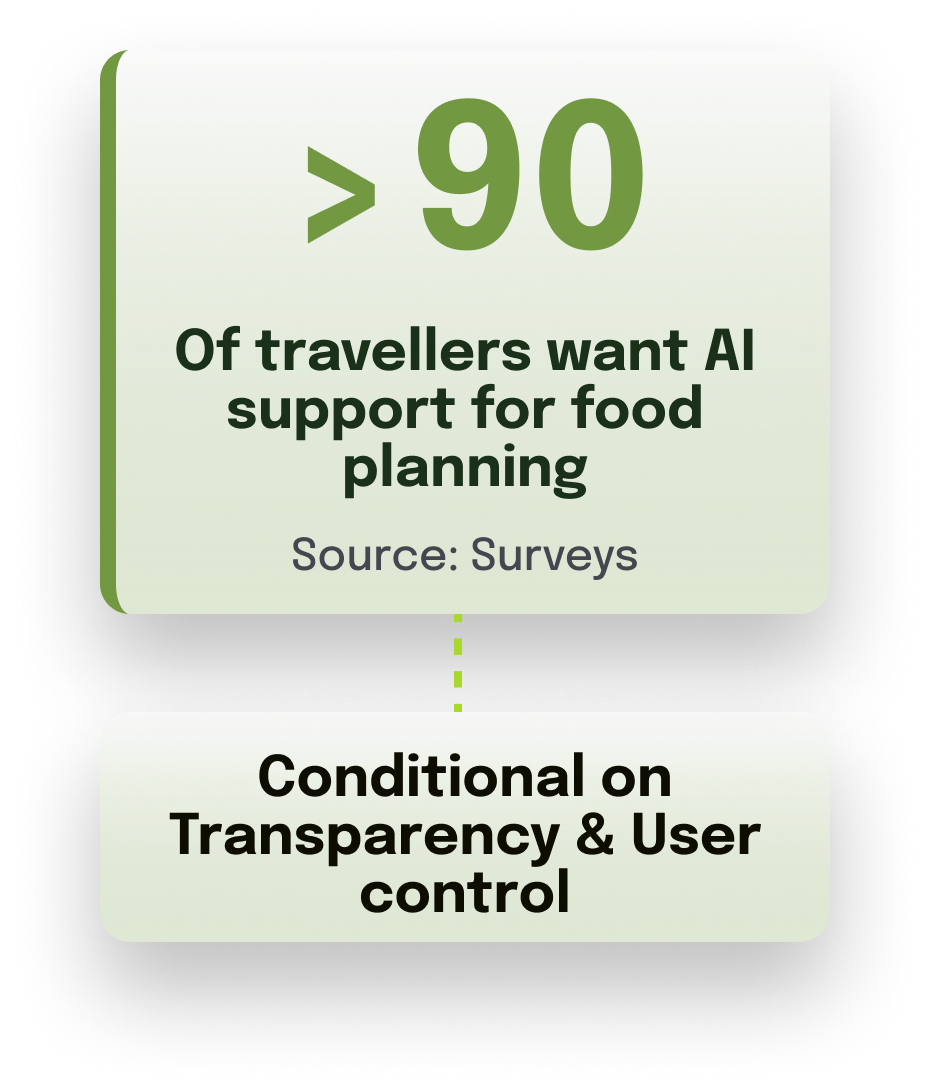
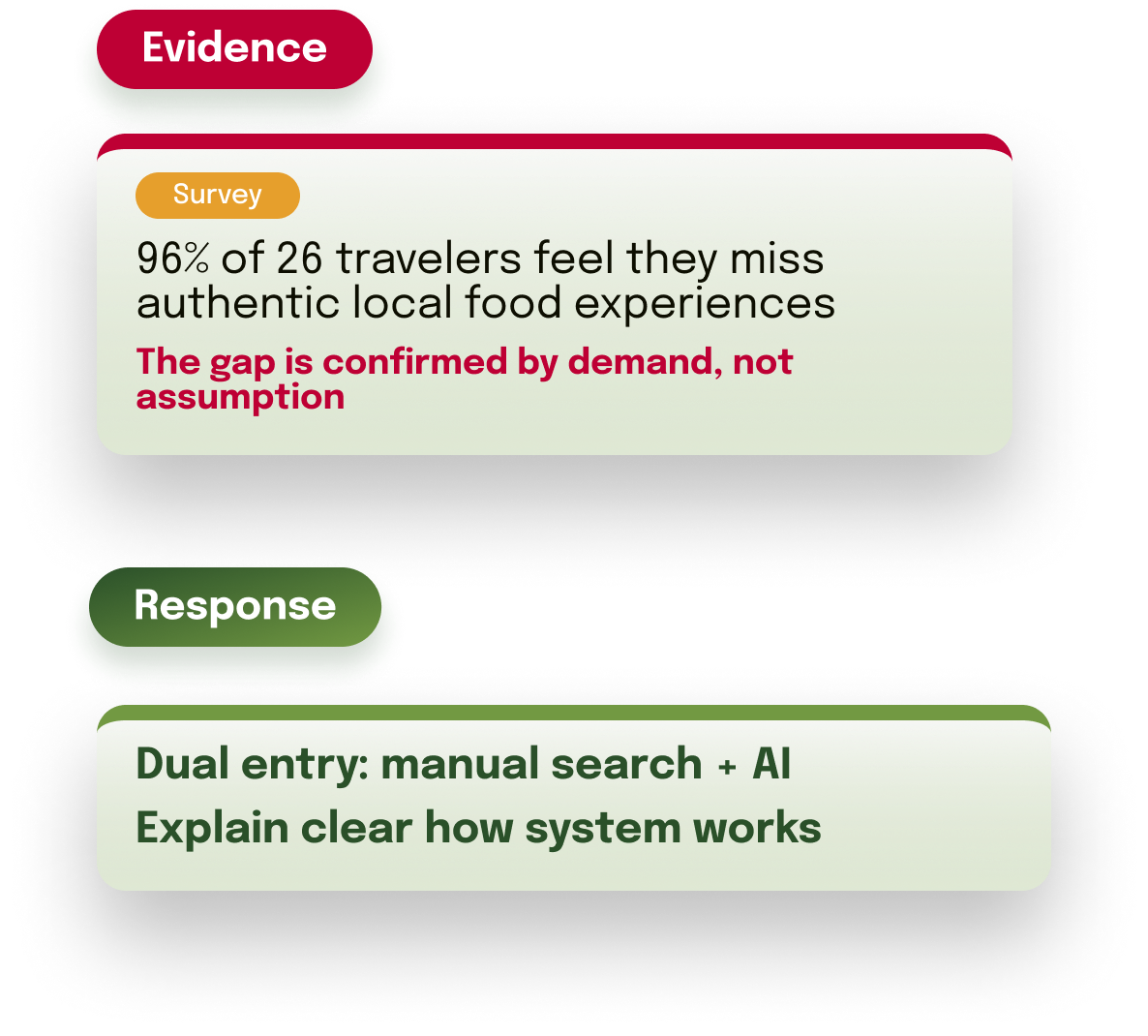
Evidence for travellers

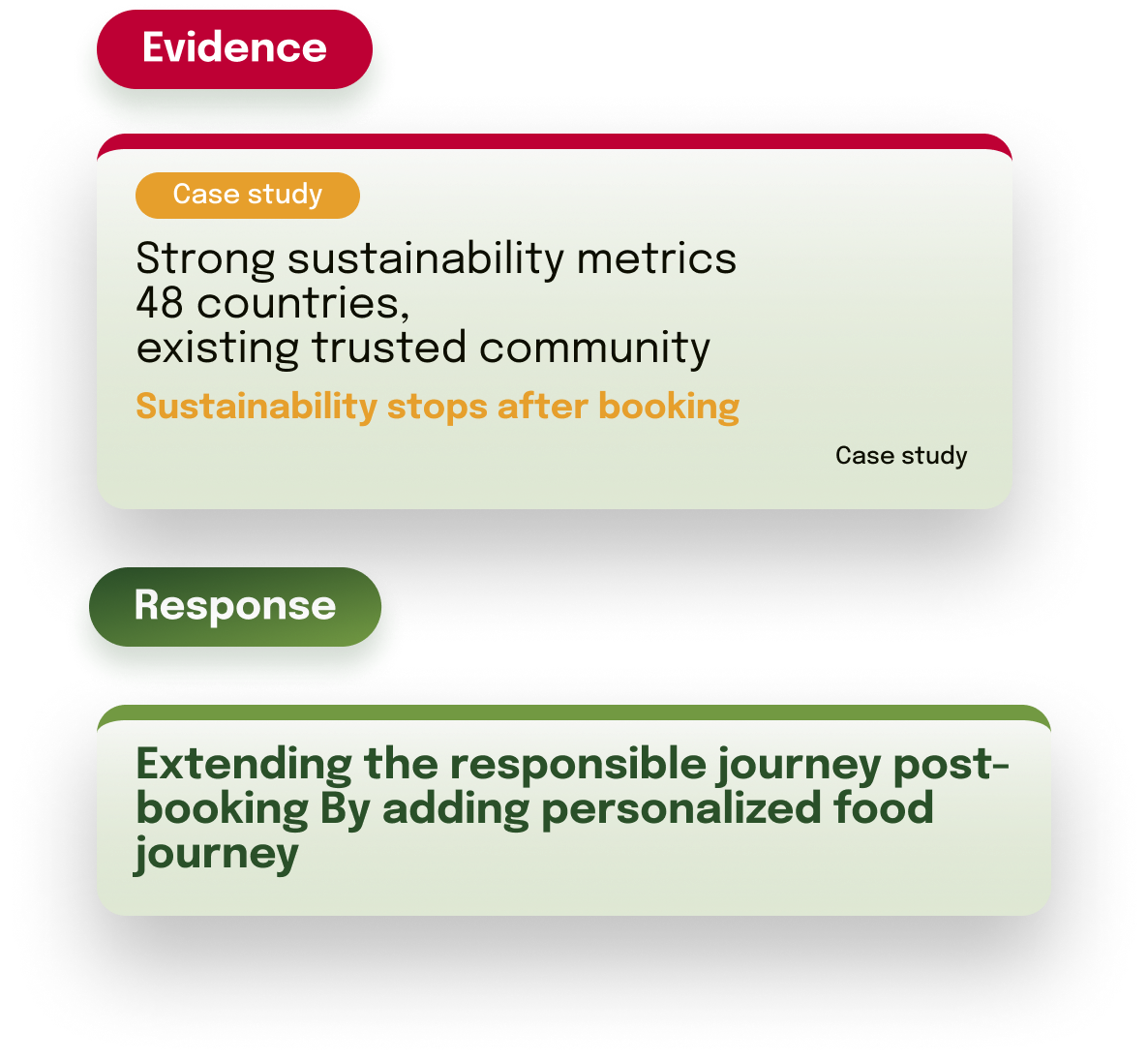
Case studies

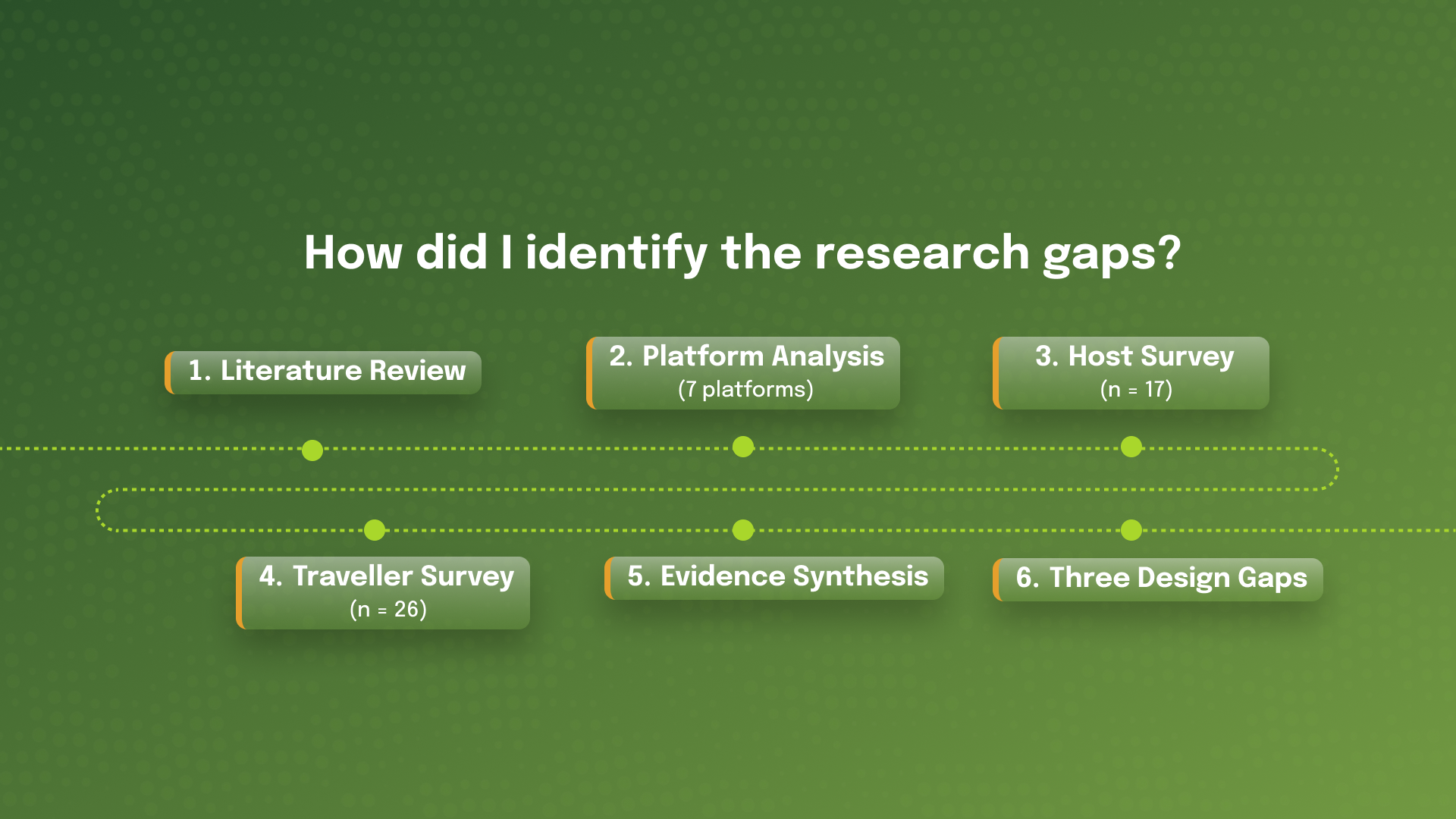
Surveys (n=26)

Group 240
Group 241

Gap 1

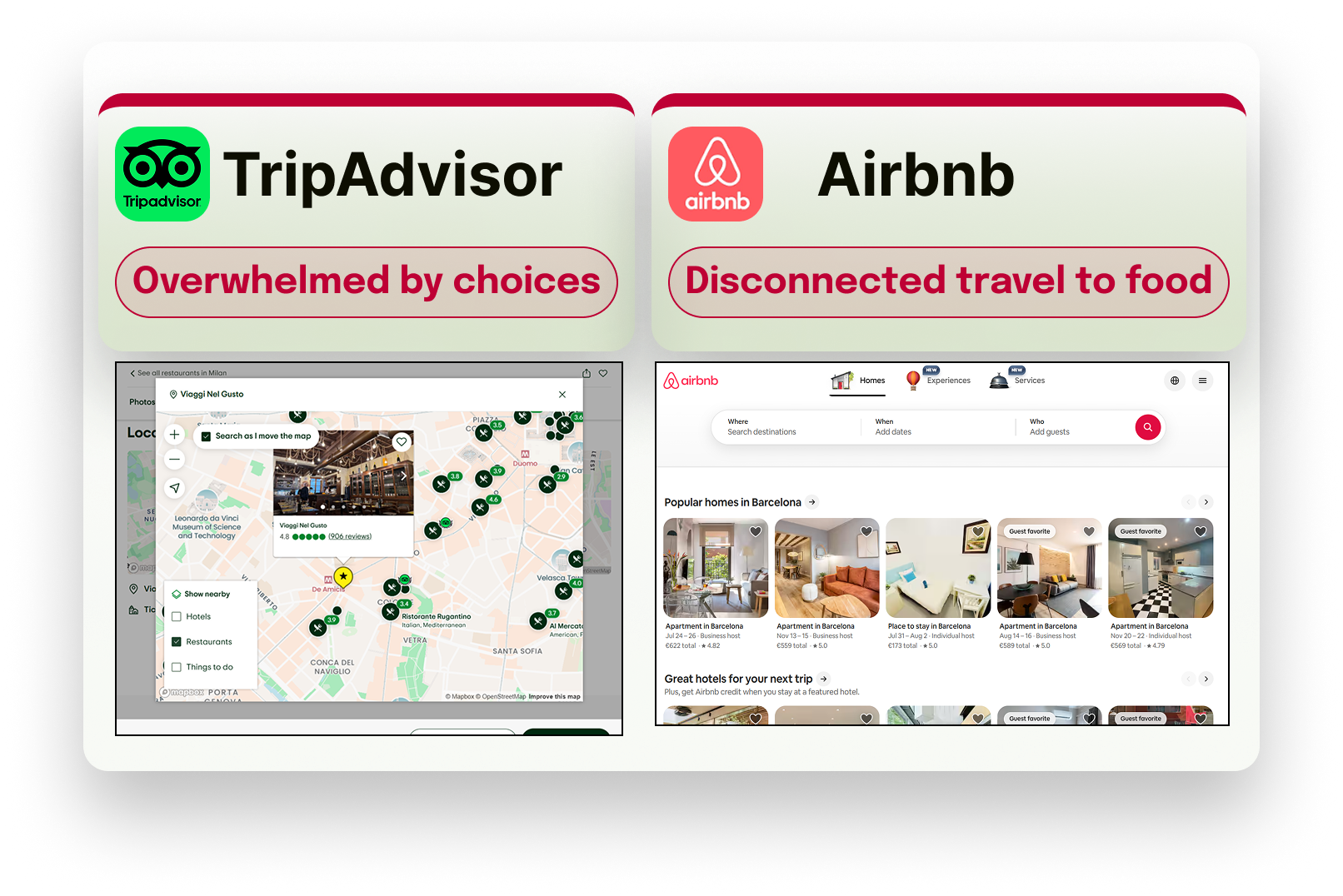
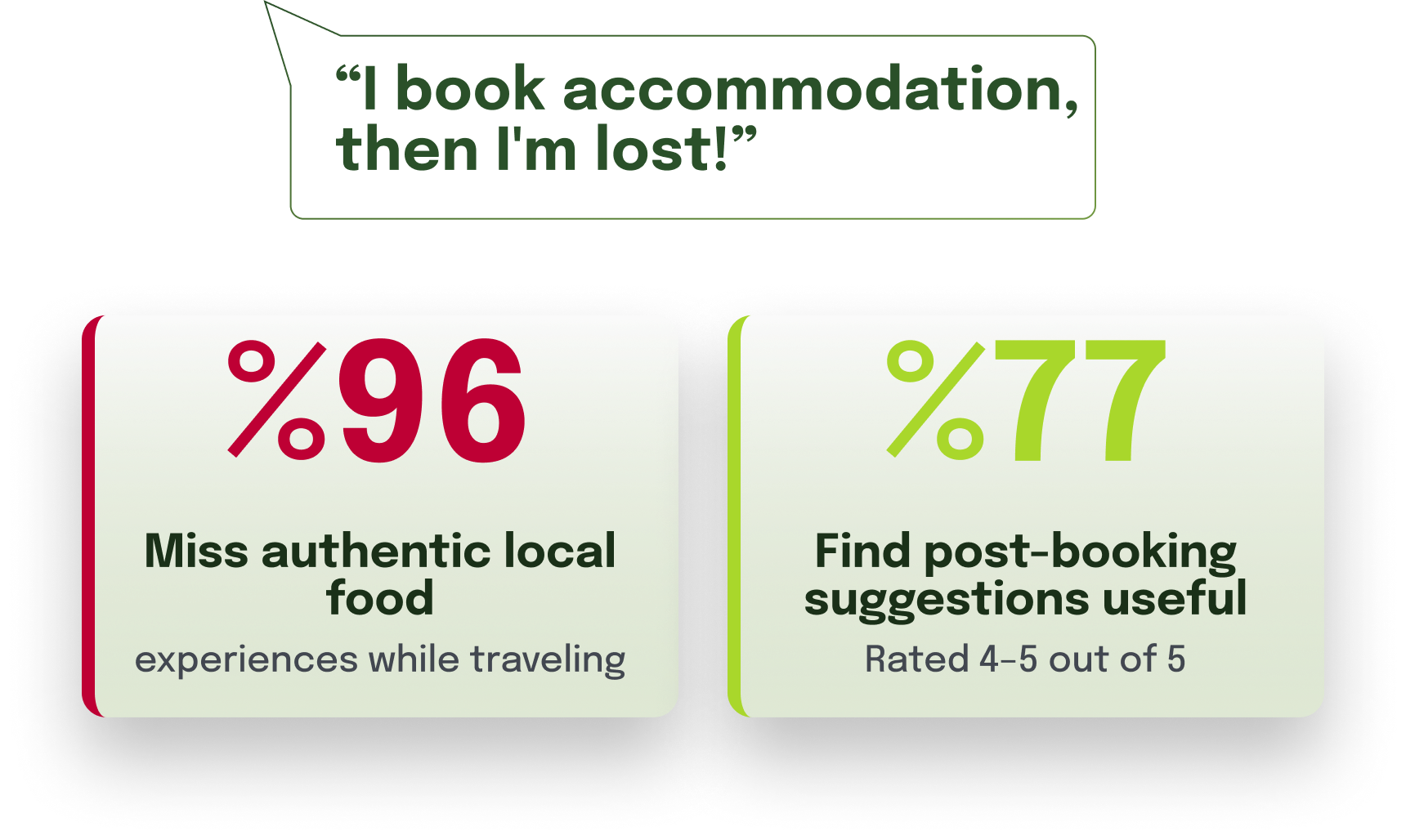
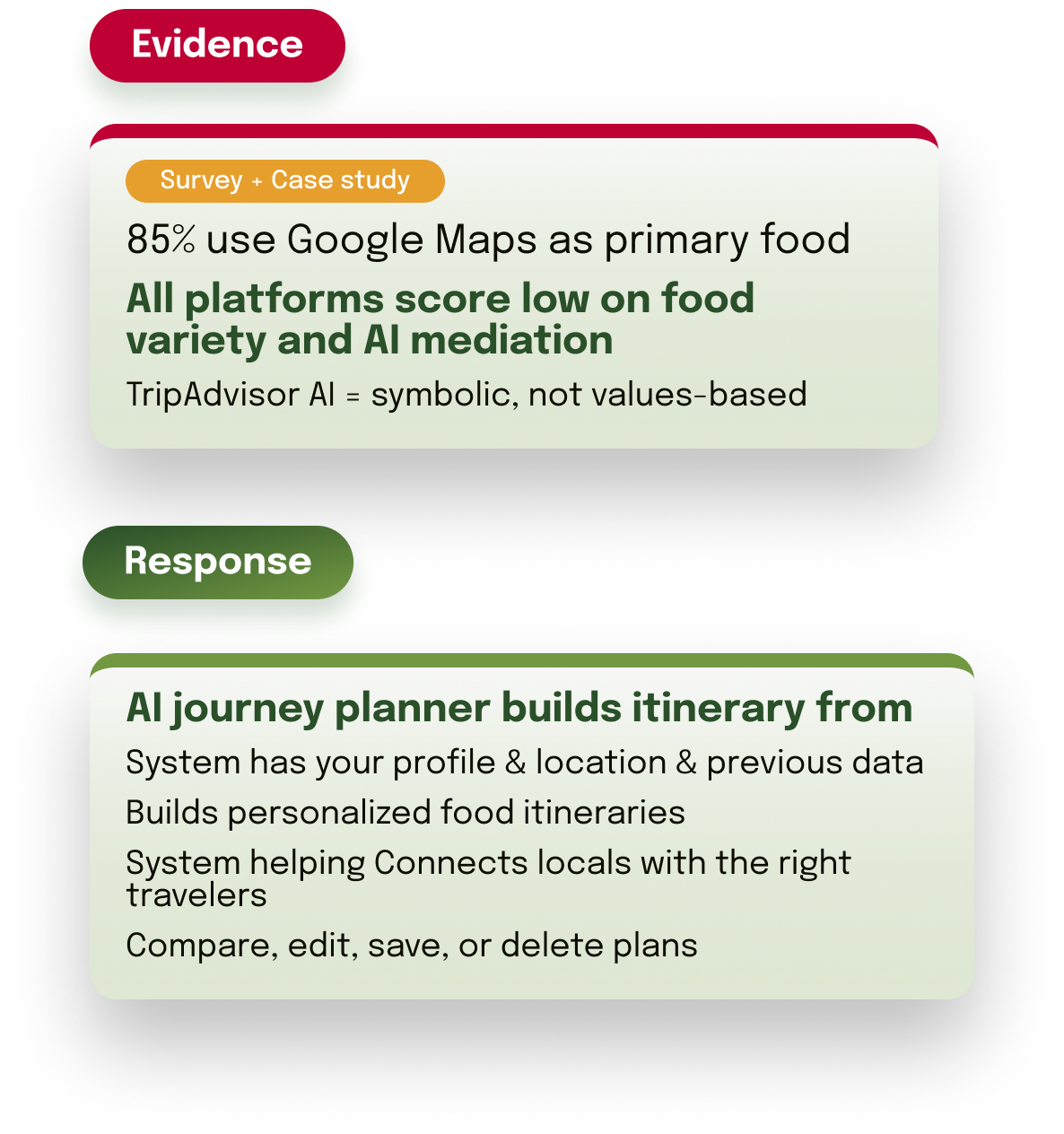
Food experiences exist on tourism websites, but they are disconnected from the traveller's journey.​

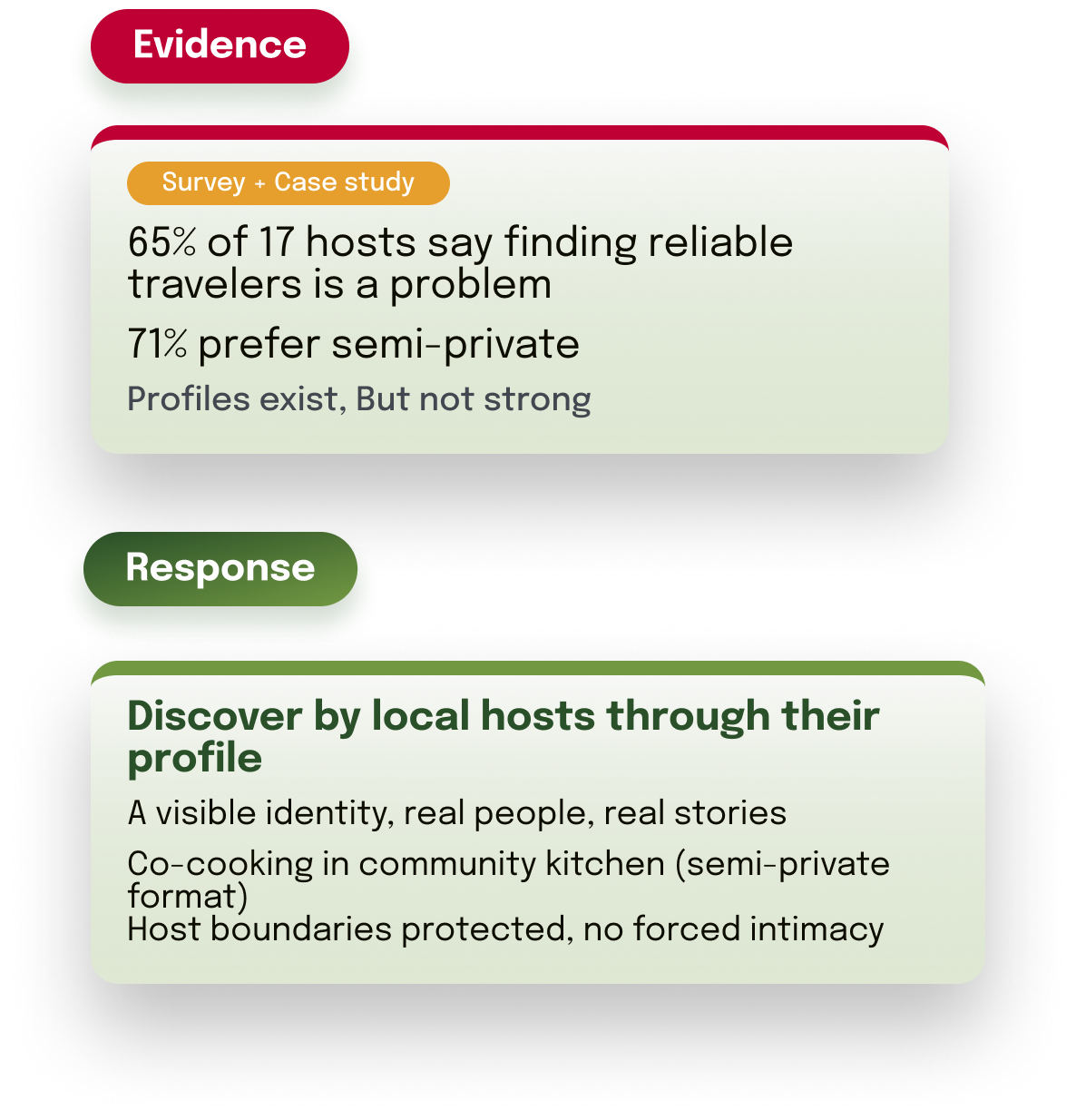
Evidence for local hosts

Case studies

Surveys (n=17)

Group 242
Group 241ui

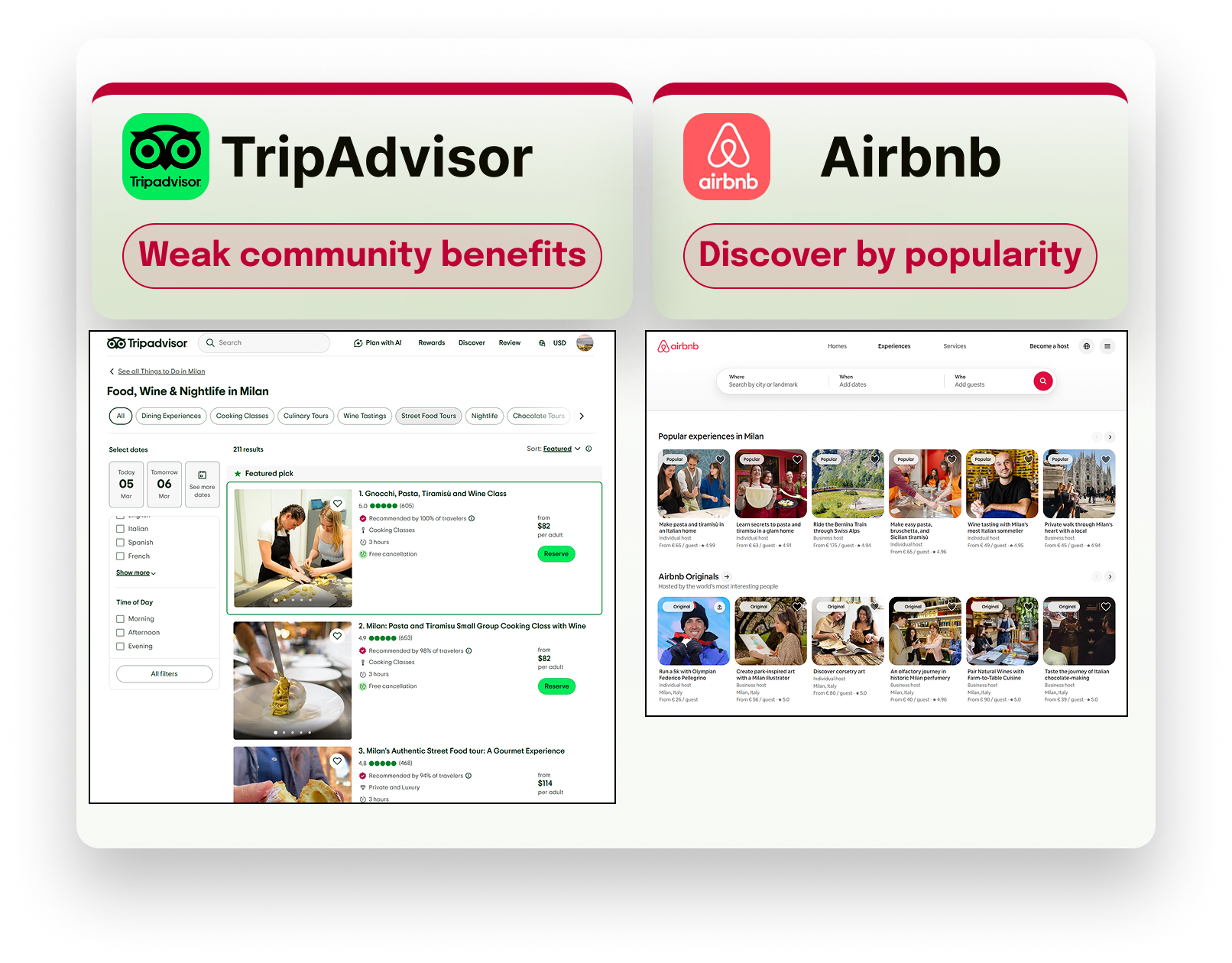
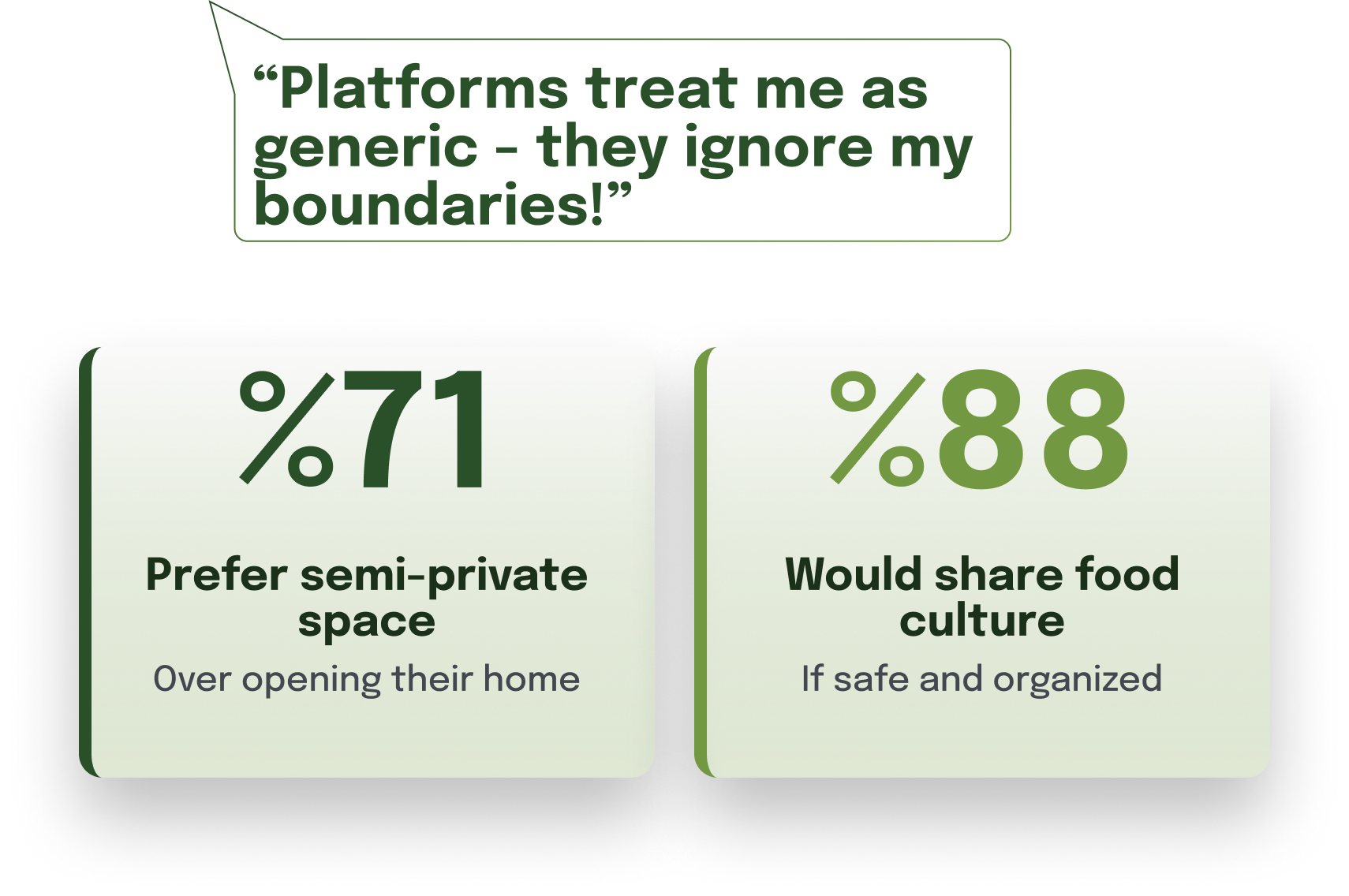
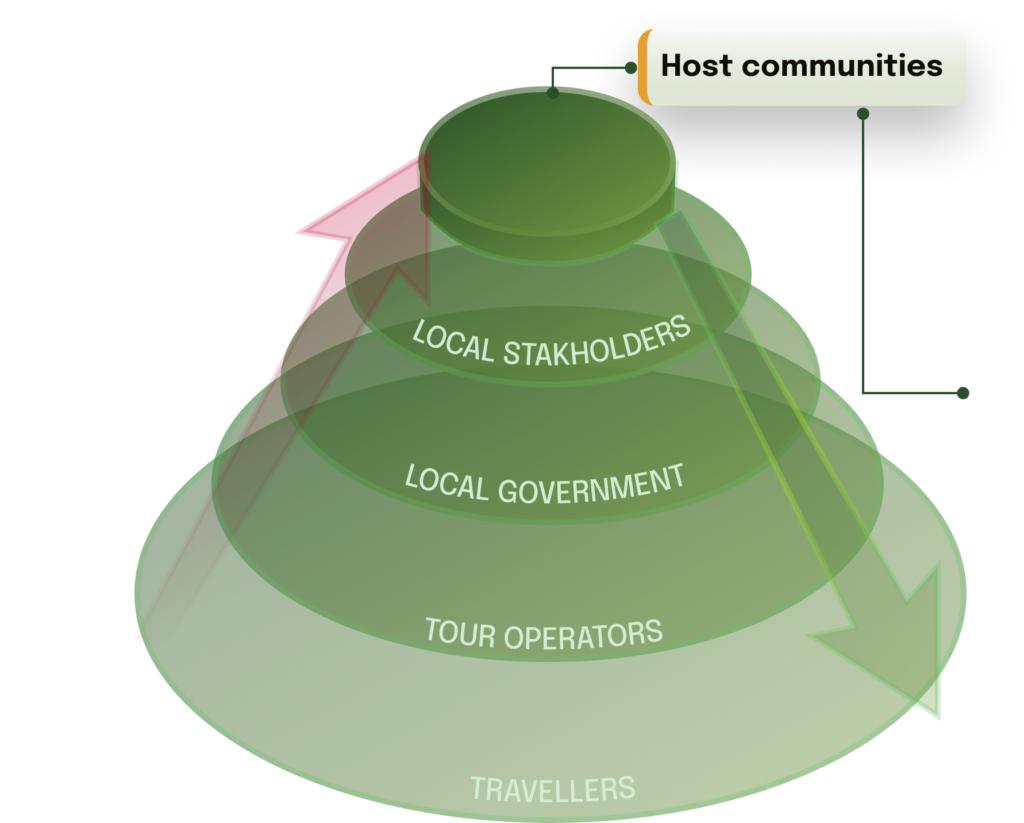
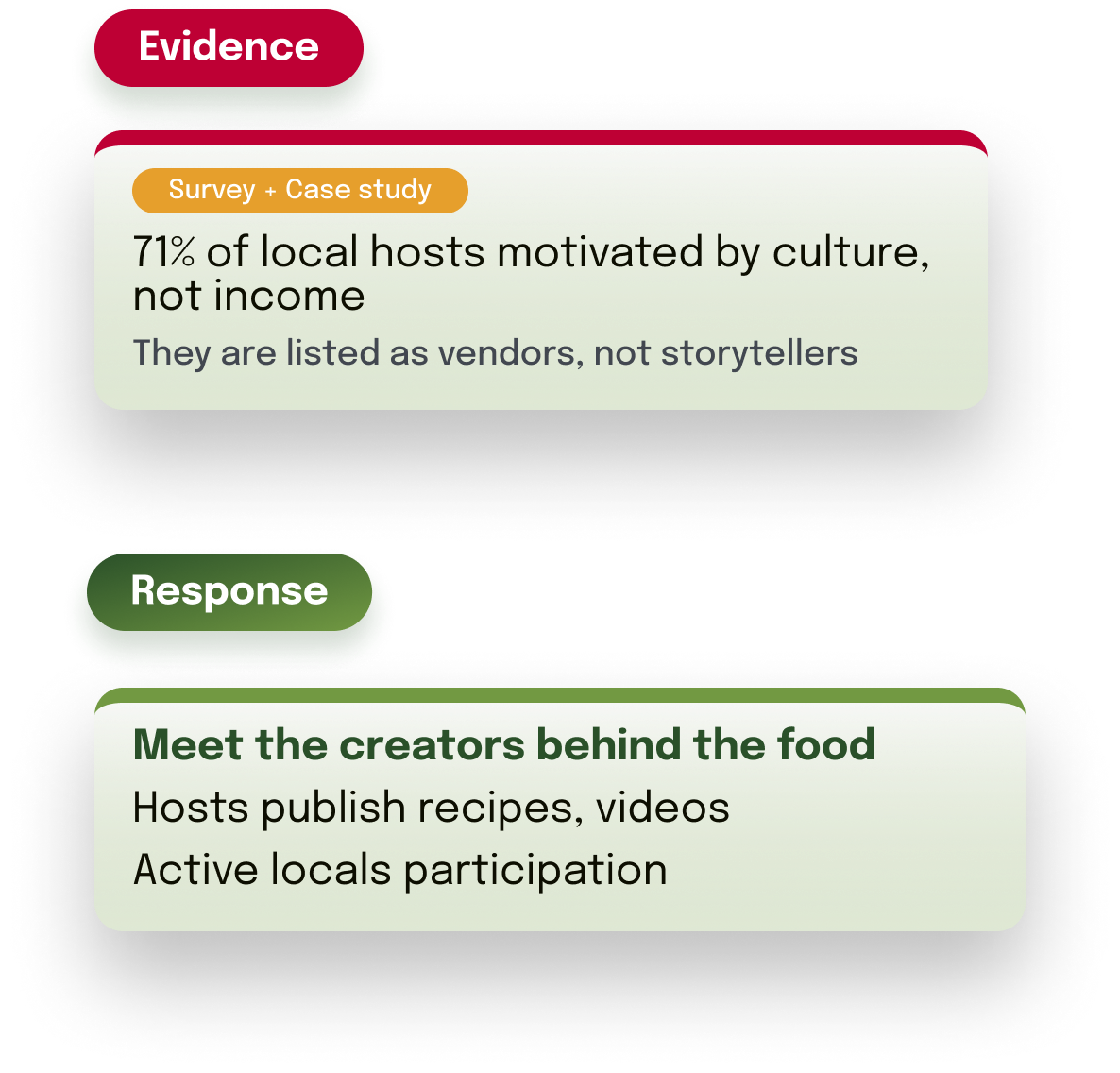
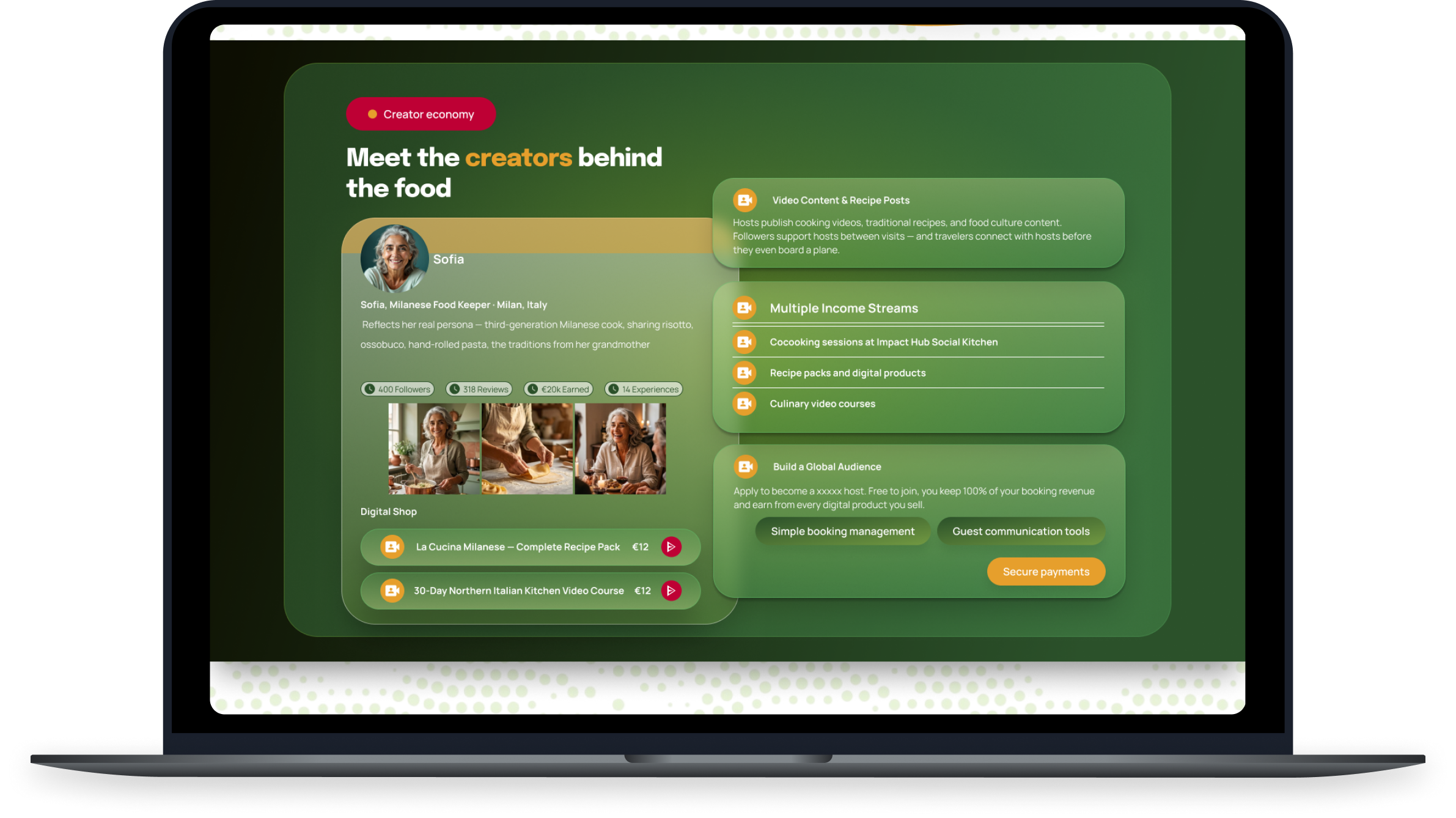
Local host communities remain structurally excluded from the very systems they supply.

Gap 2

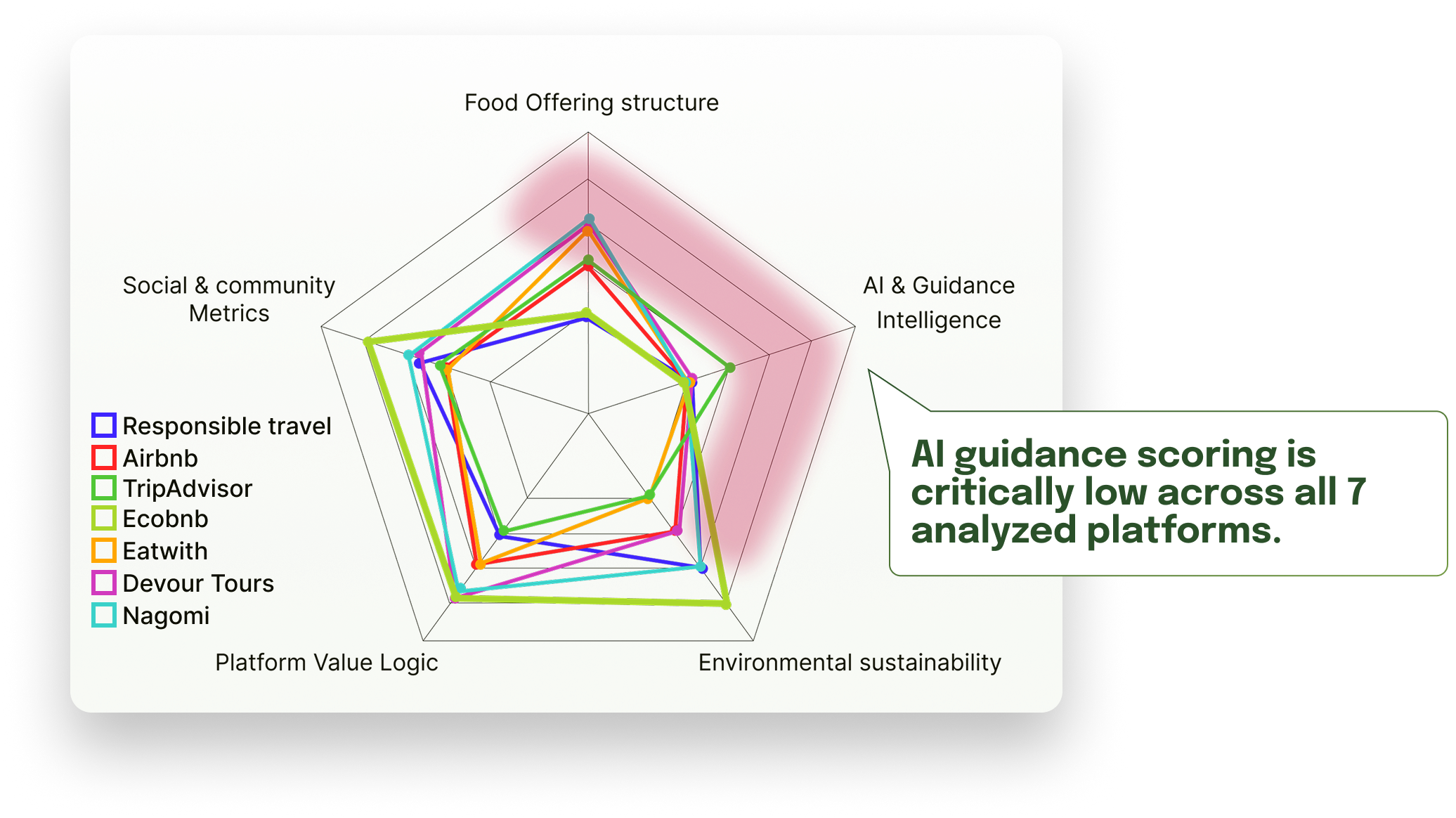
Evidence for platforms

Case studies

Surveys (n=17)

Group 243
Group 244ی

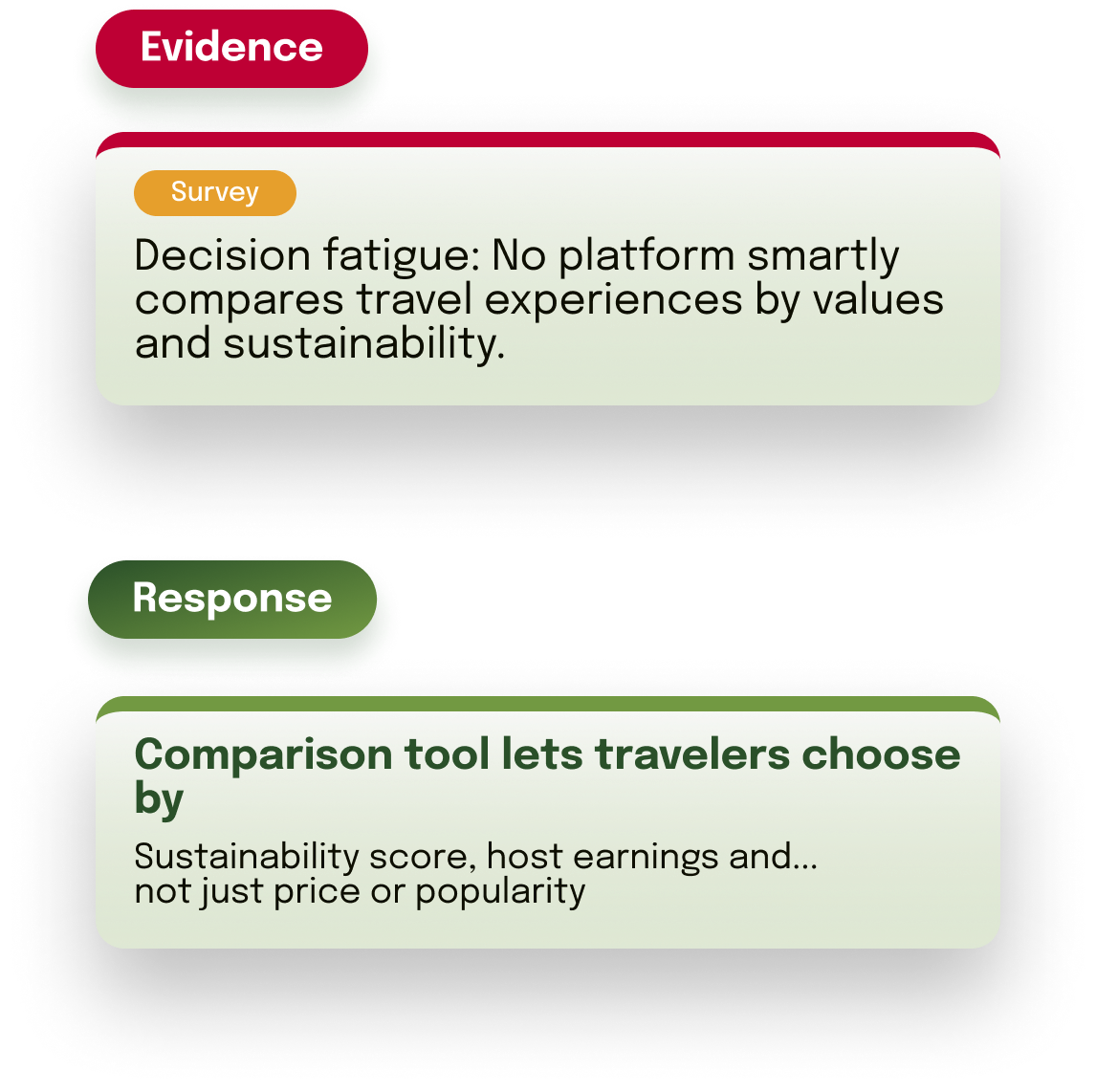
Current AIs serves commercial conversion rather than reasonable guidance.

Gap 3

what can design actually do here?

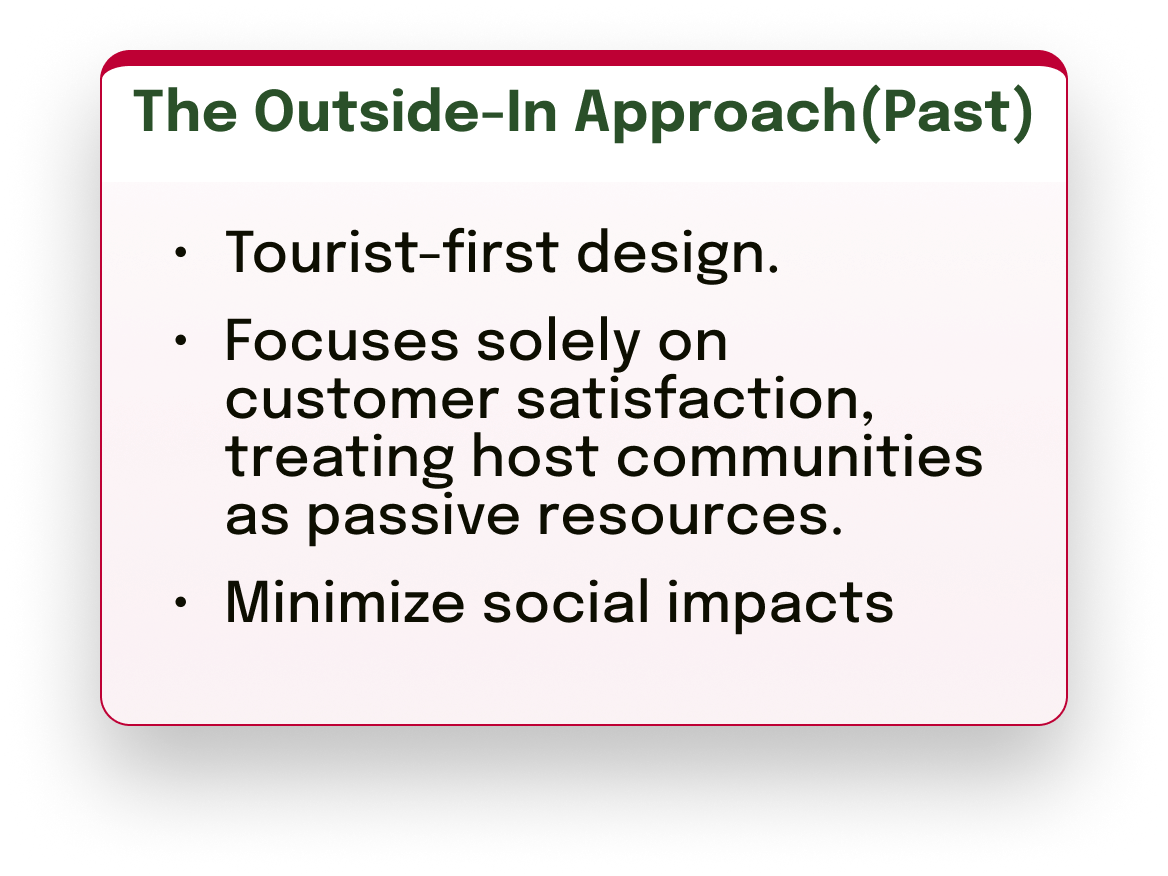
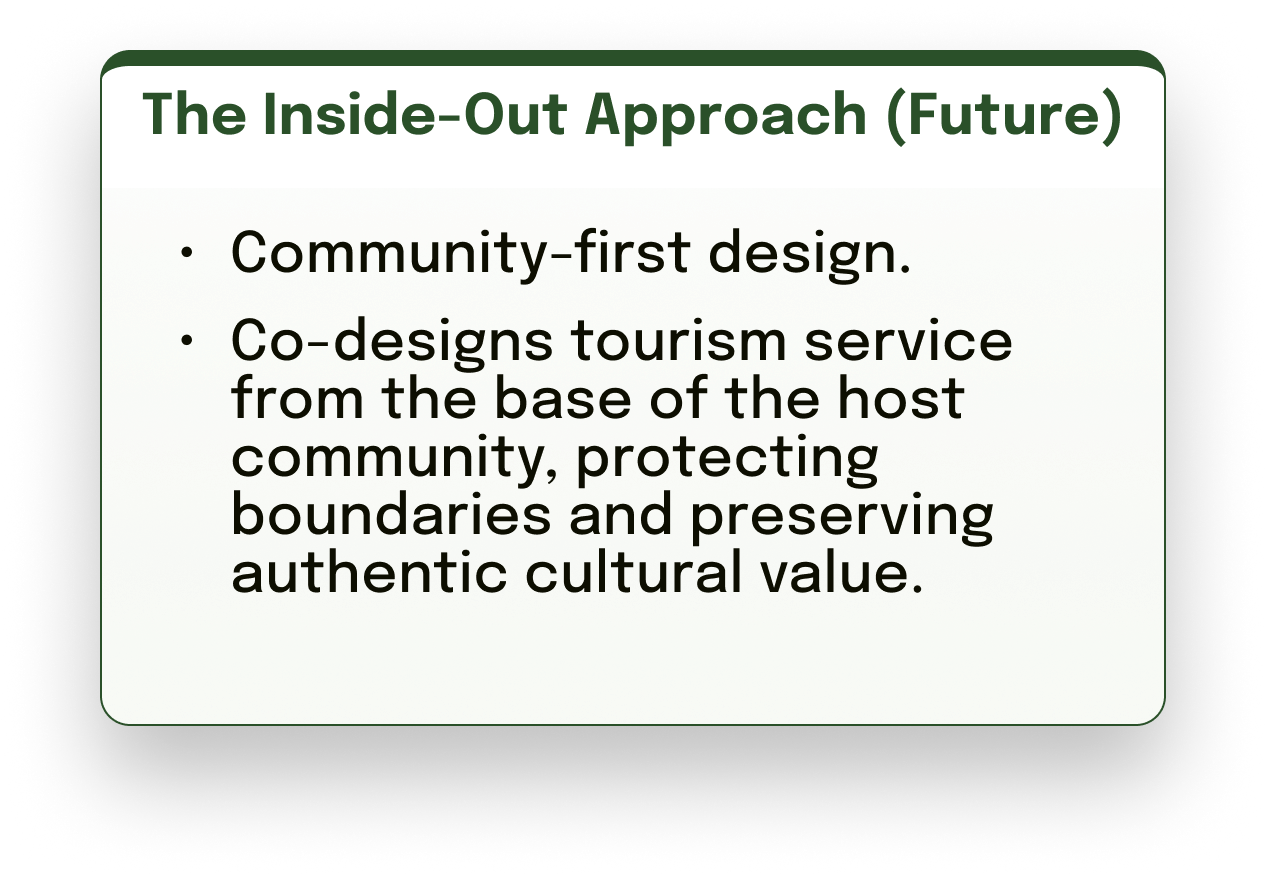
Redesigning the system requires an “Inside-Out” orienatation

Group 244
Group 243

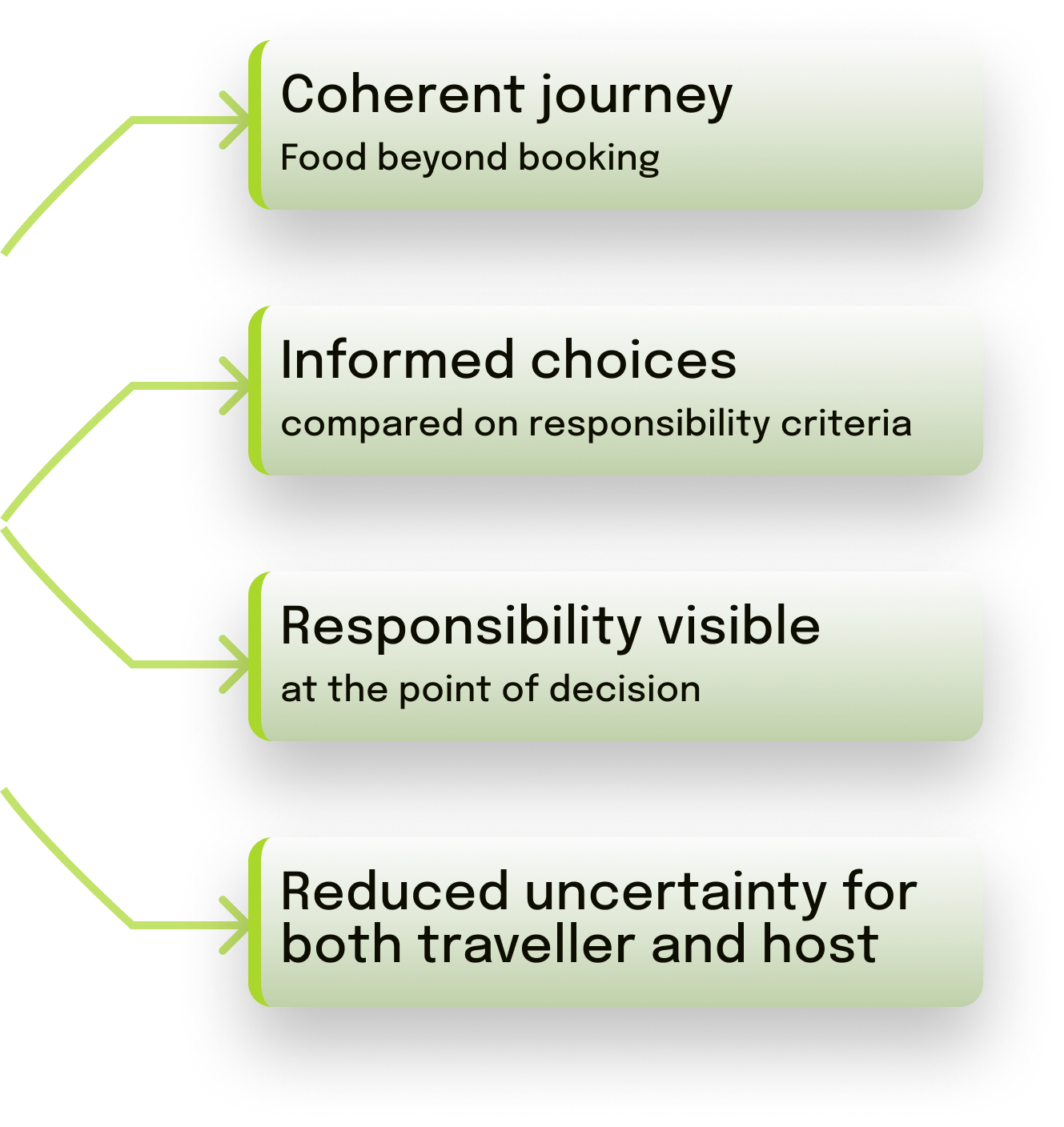
Design Objectives

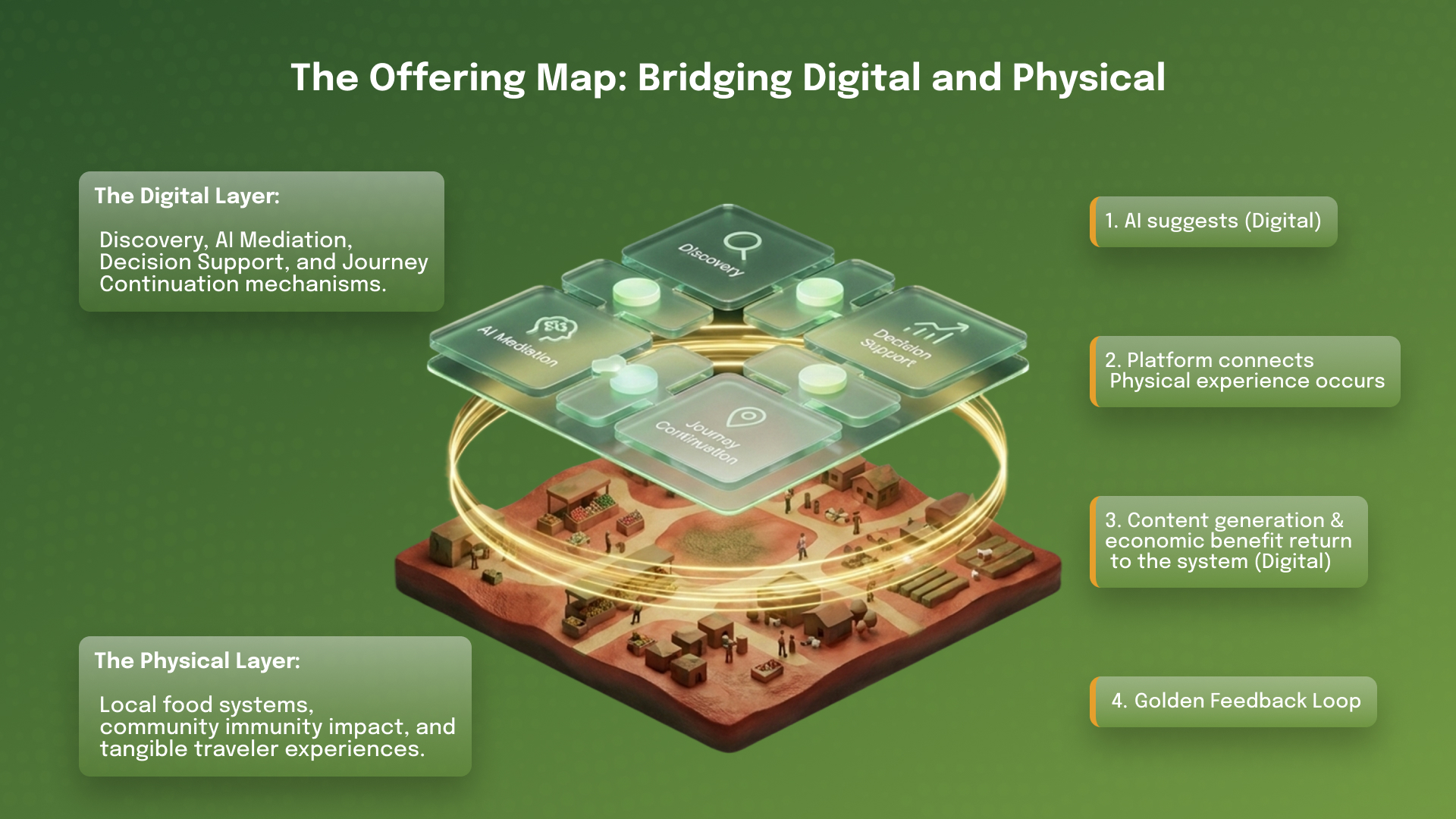
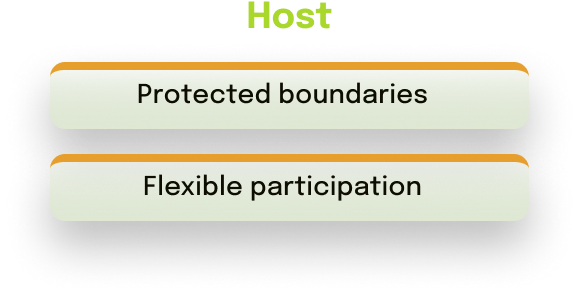
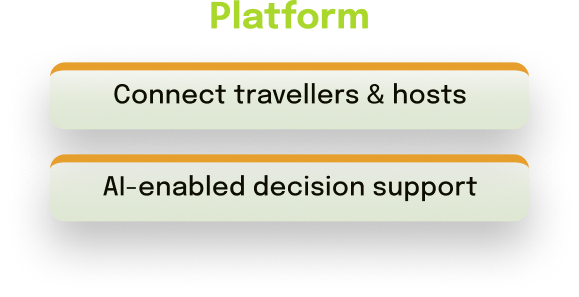
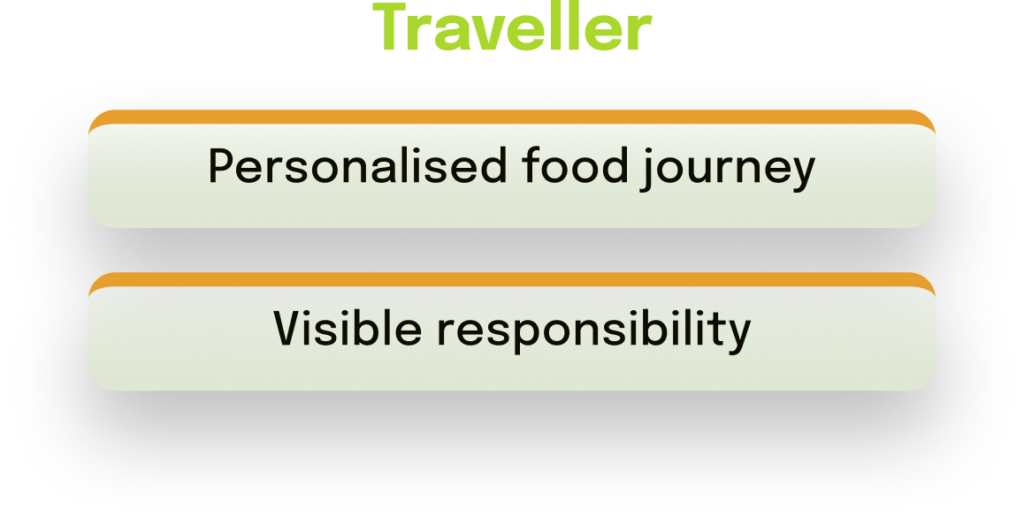
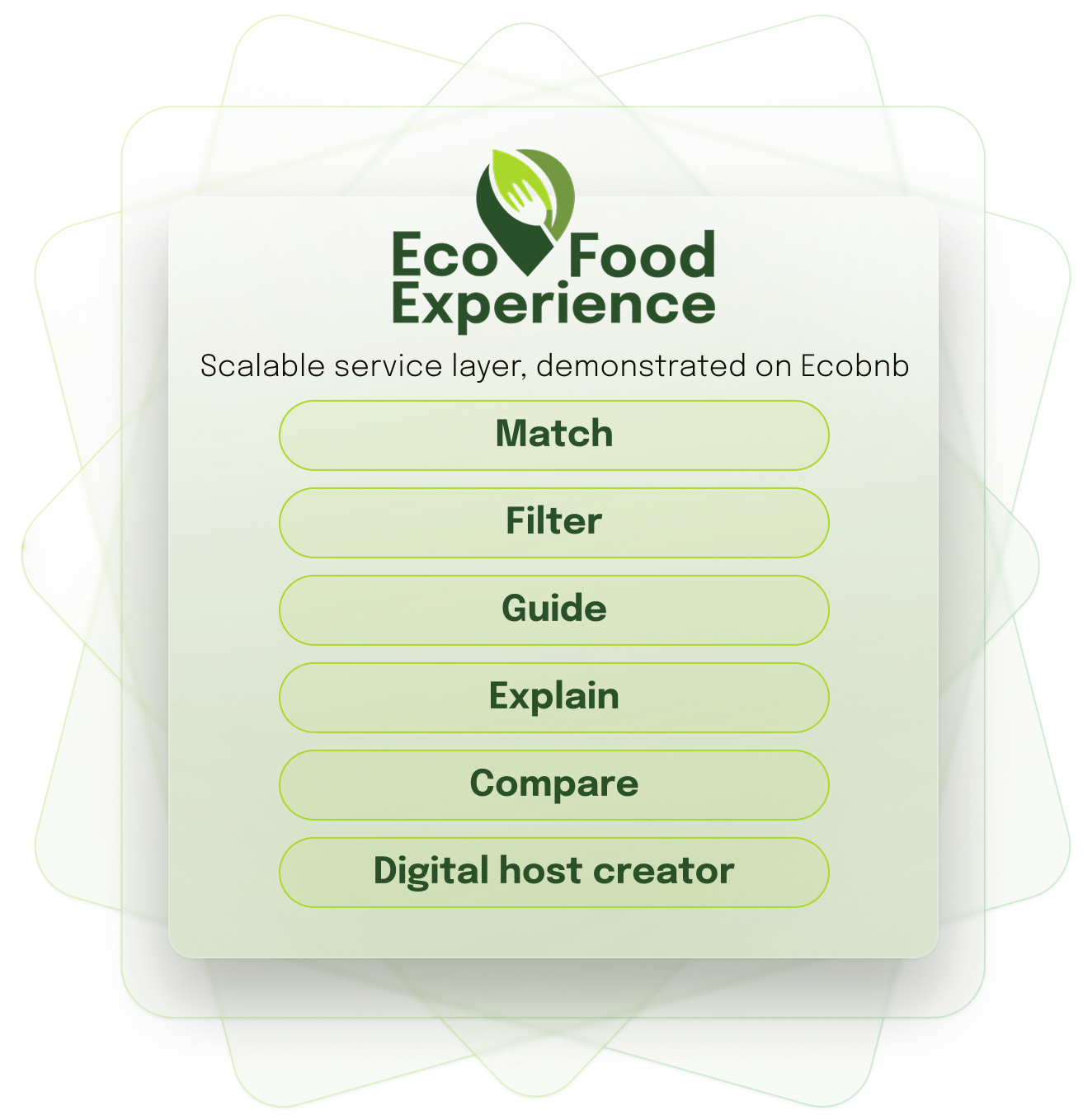
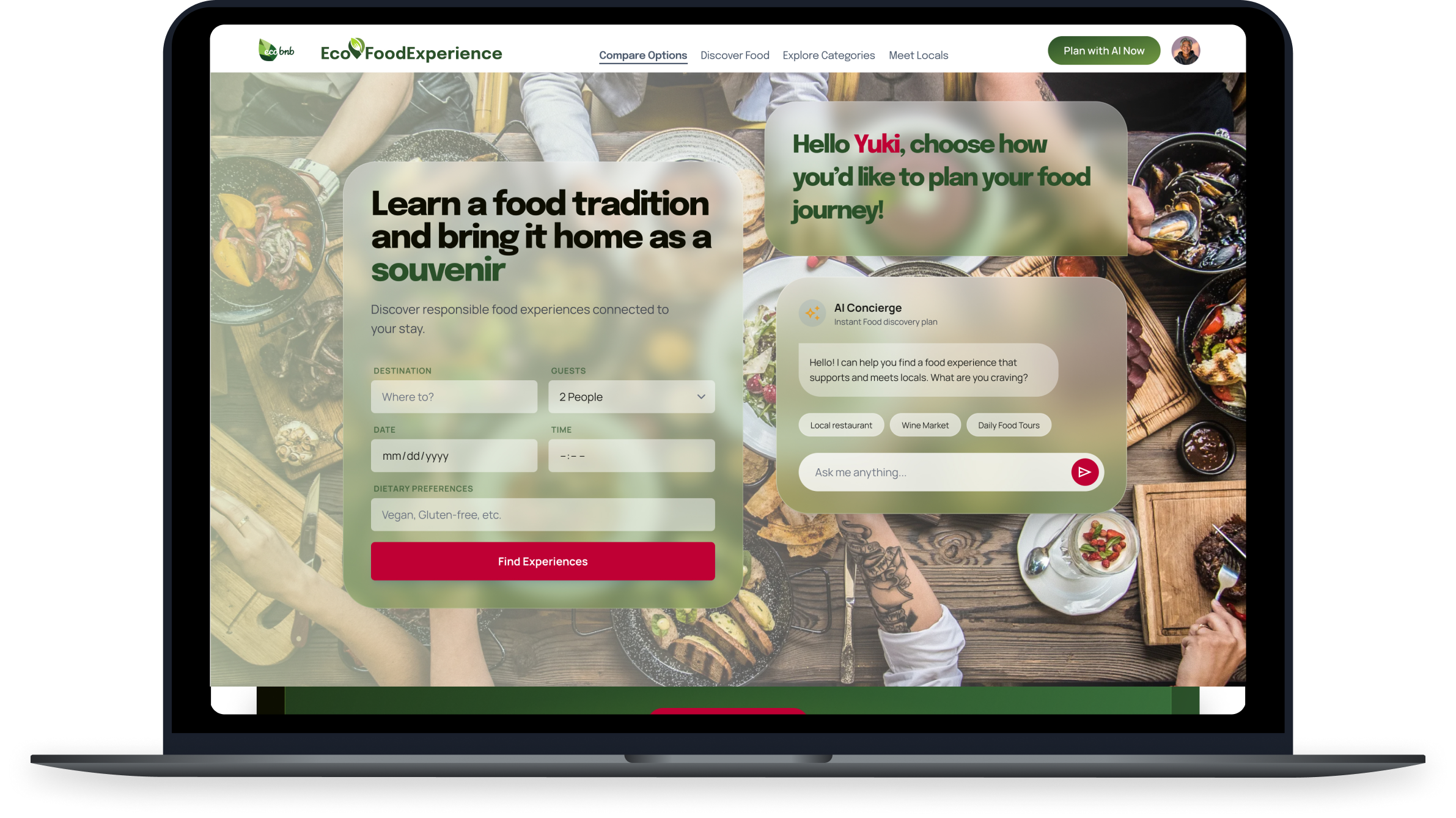
Concept: the service layer as a guidance system

ff
ddd
sd

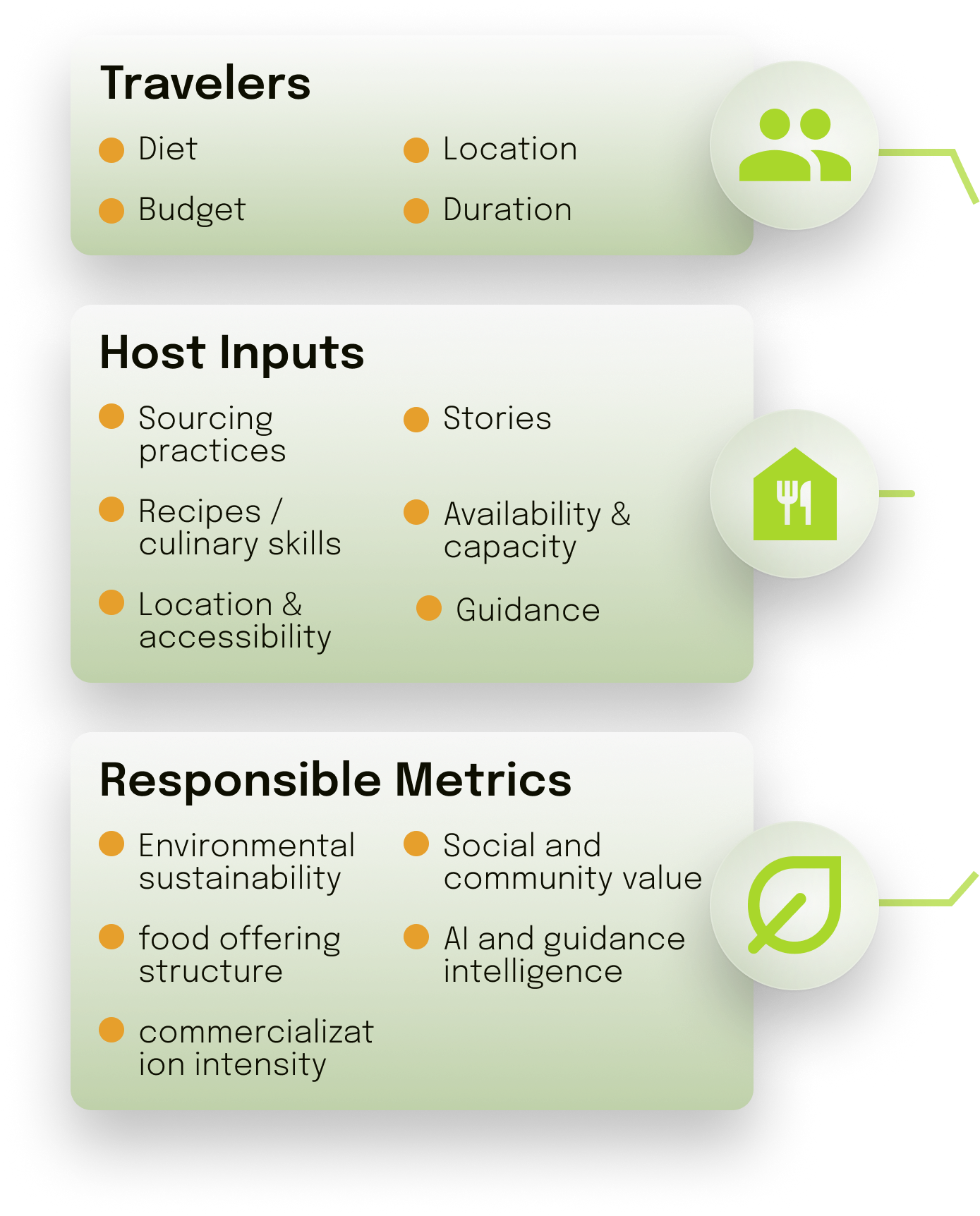
Input

core

output

User Interface Design

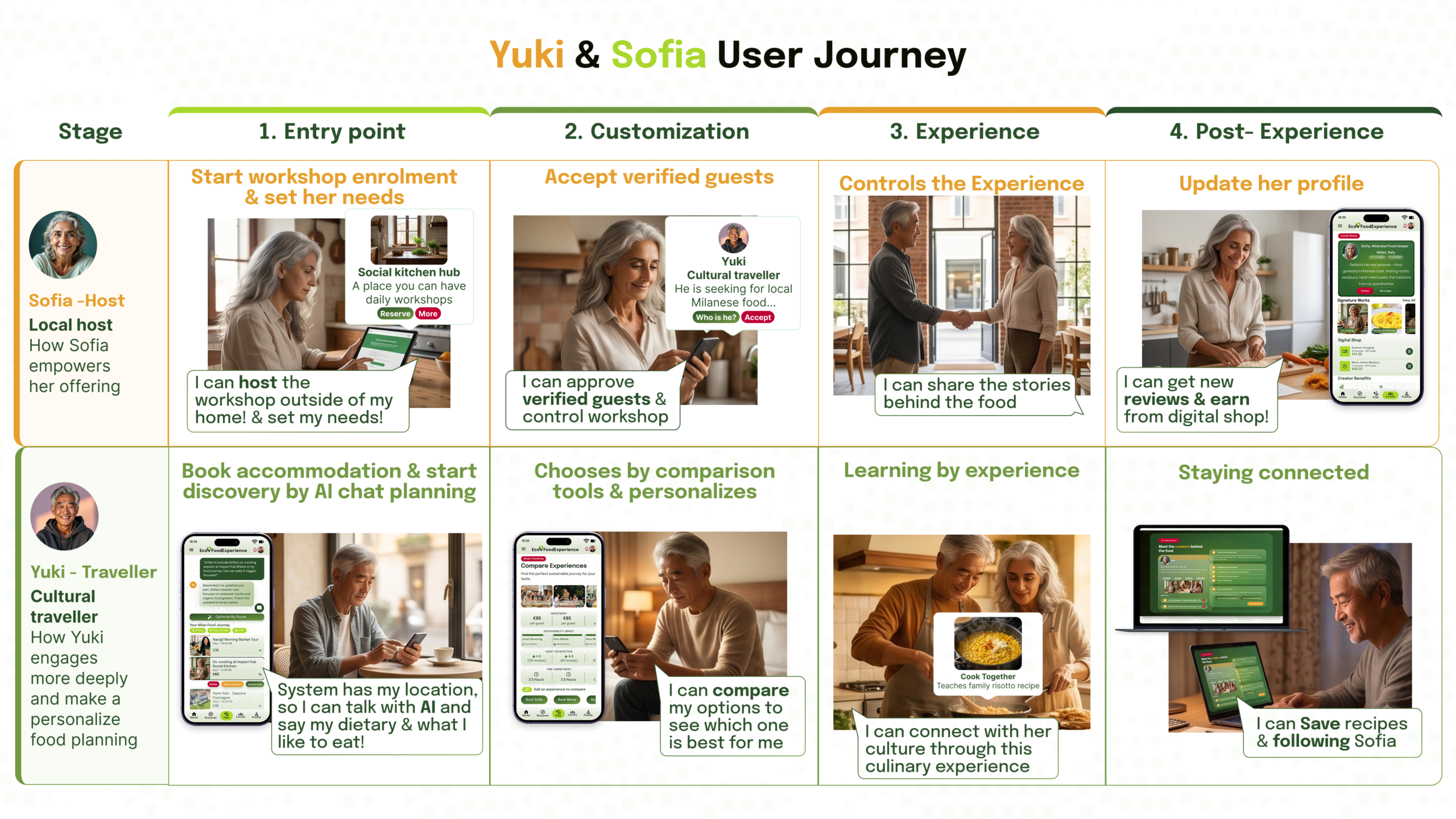
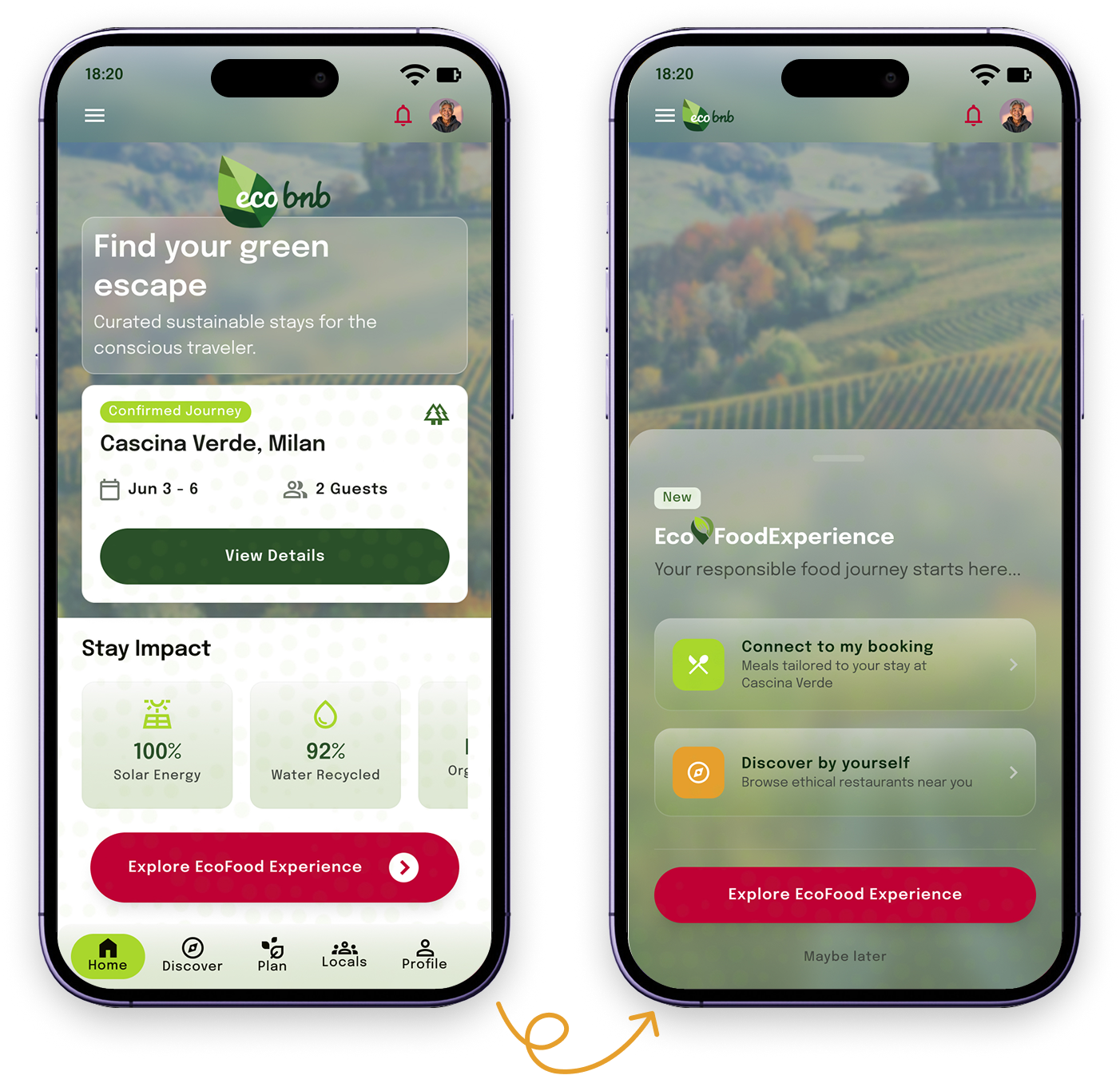
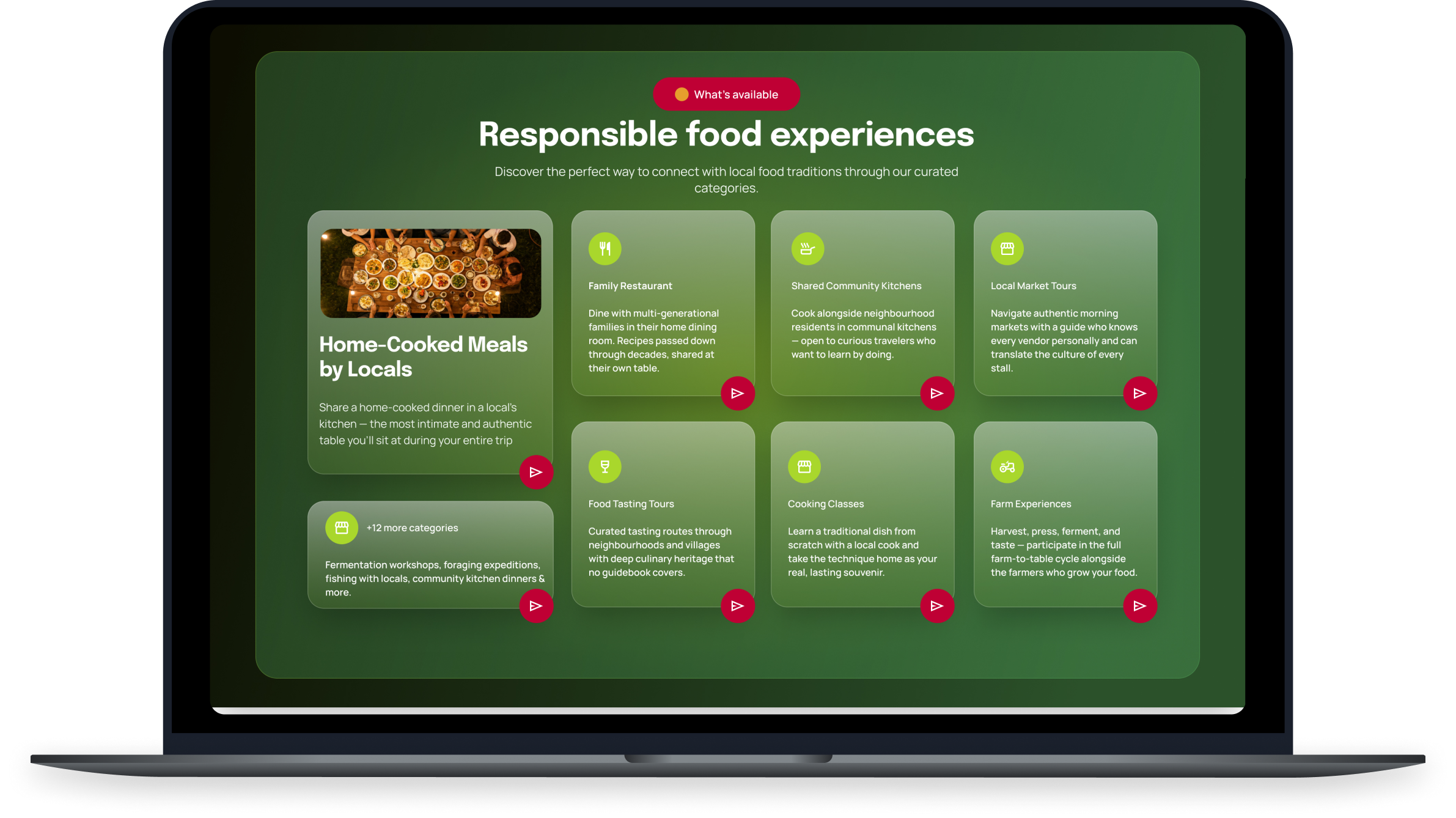
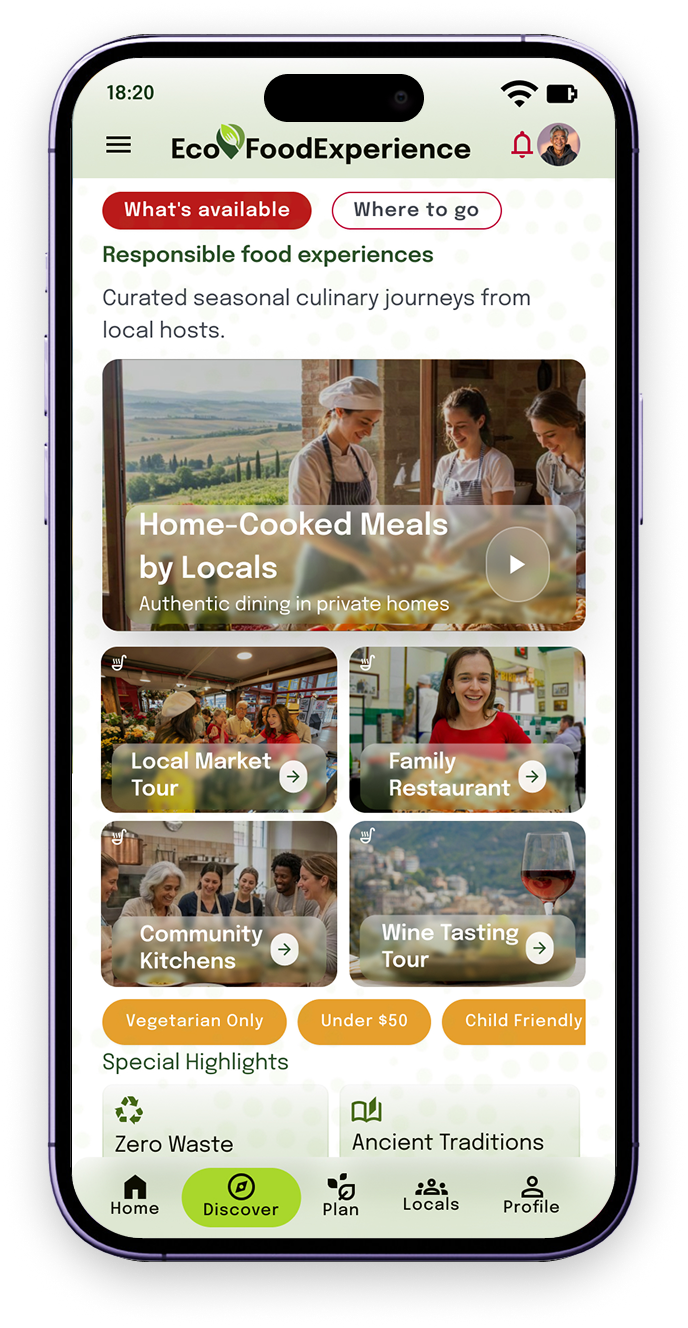
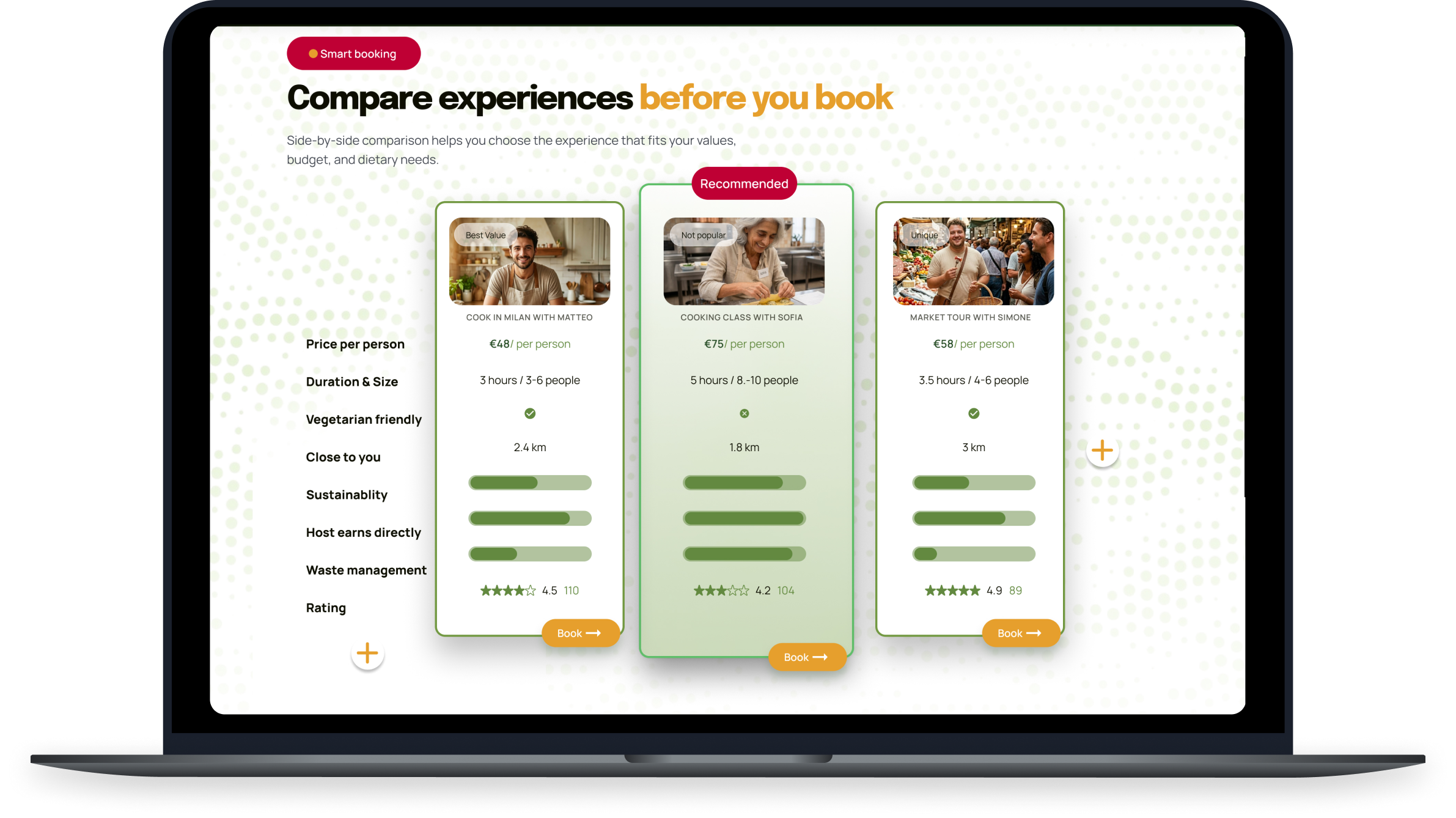
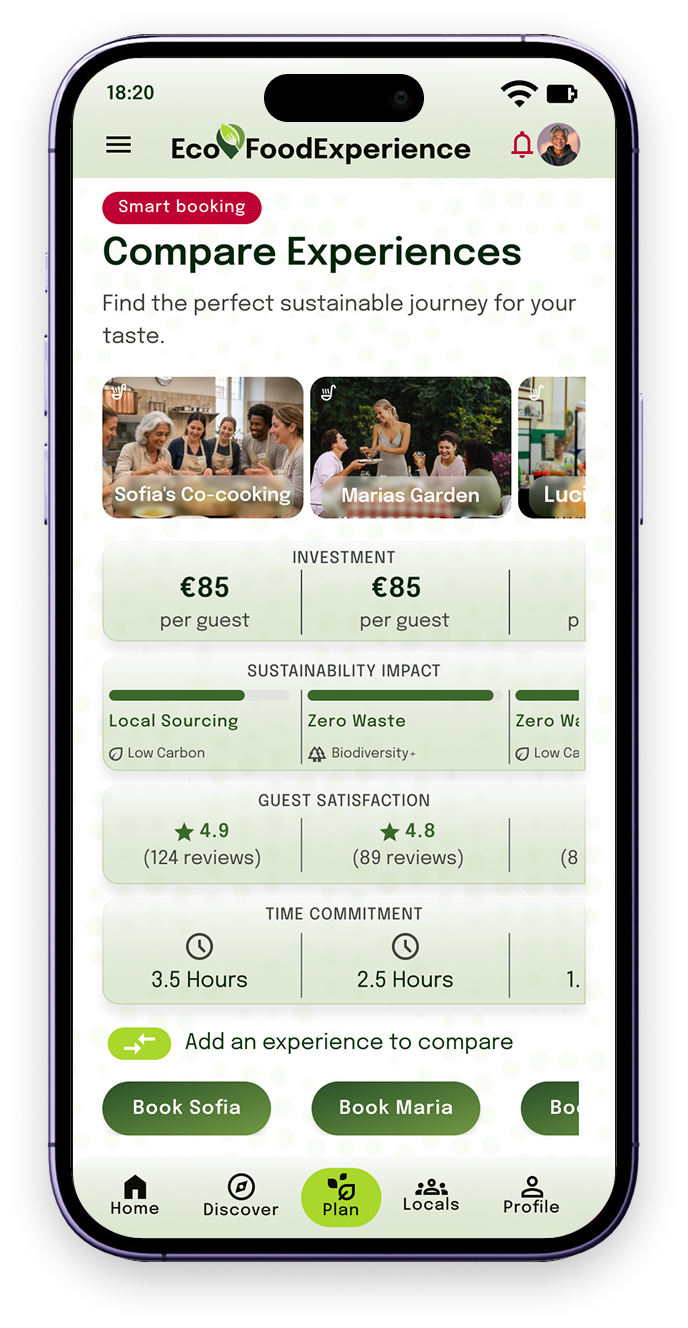
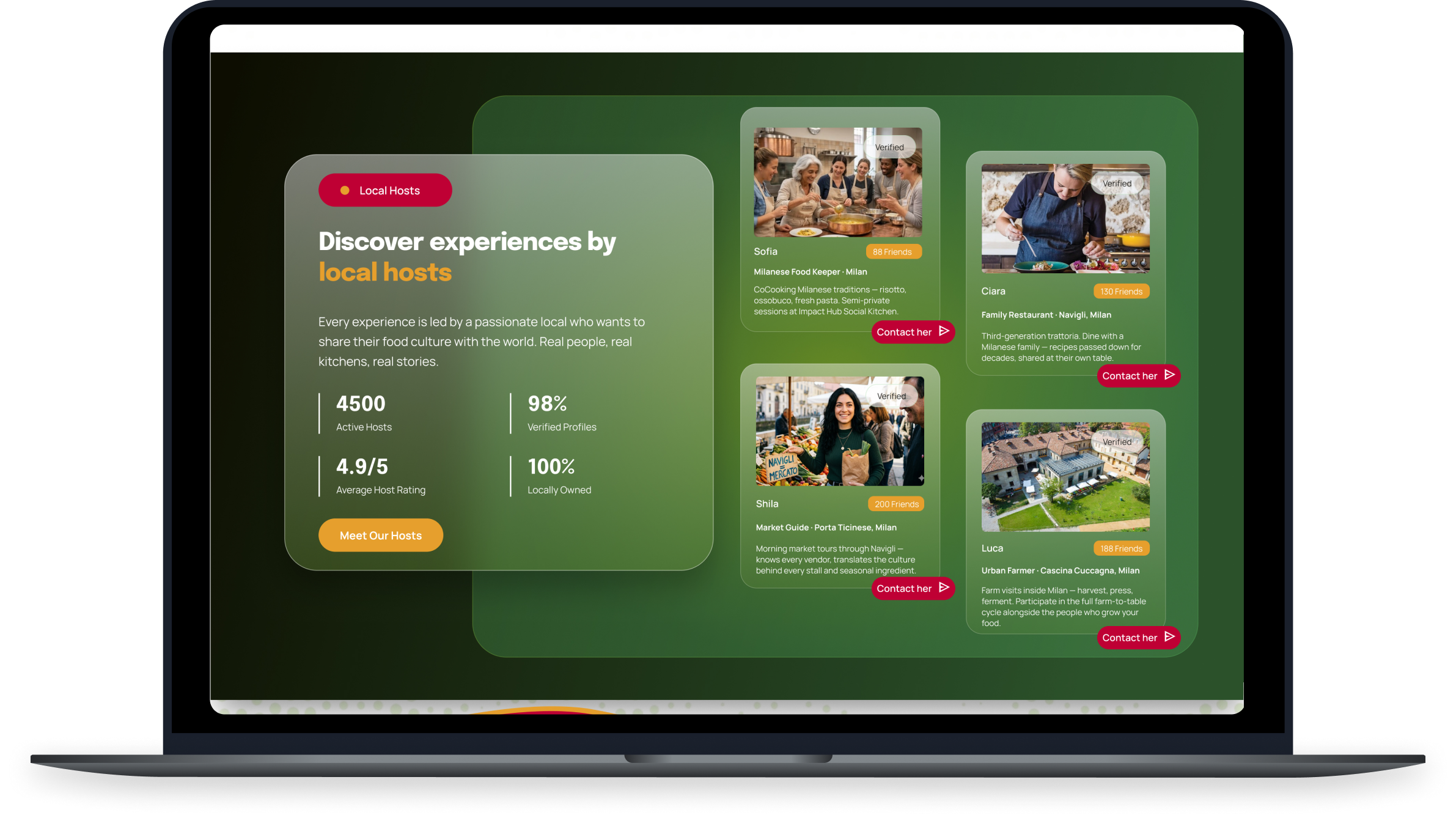
six digital components structure the continuous food journey

f
Group 244s
Group 246ds
Group 243
Group 183
Group 248
Group 243as
Group 183p
Device 14PMd
Group 243gg
Group 183p
Device 14PMl
Group 243lk
Group 229
Device 14PMf
Group 243df
Group 184d
Device 14PMddr
Group df
Group 183fgf
Device 14PMgg

What I Would Measure

If launched, I would explore:

whether users prefer conversational AI or comparison tools

whether AI increases decision confidence and perceived control

whether the concept could scale to other platforms

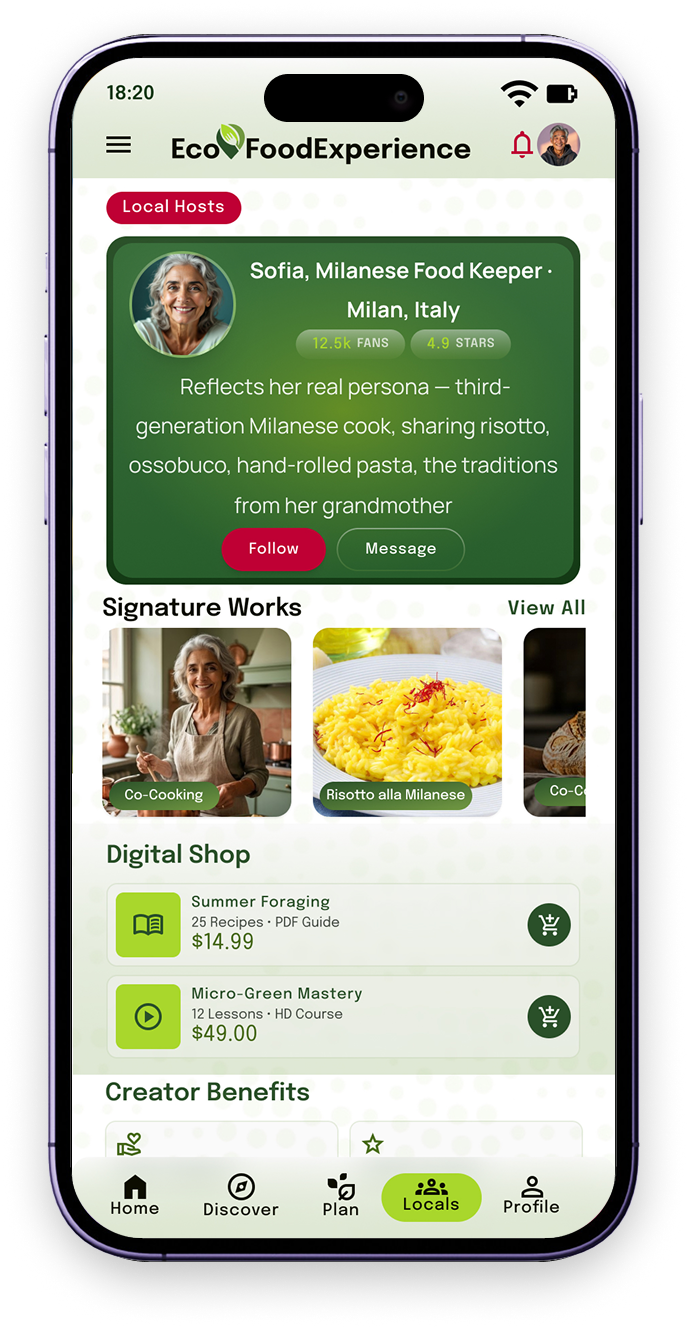
whether the service improves visibility for local hosts by their profile systems

whether a designed AI experience works better than simply adding a chatbot

What I Learned

AI is becoming part of many new services, but adding AI alone does not improve an experience.

The designer’s role is to decide where AI is useful, how transparent it should be, and how users can stay in control.

For me, sustainable AI means using technology to support better decisions and strengthen the people and communities behind a service—not replace them.

Here is the like of prototype:

Explore extra 9 pages of presentation
Page 1
Page 2
Page 3
Page 4
Page 5
Page 6
Page 7
Page 8
Page 9
1 / 9
Page 1 of 9
Use arrow keys (← →) or click buttons to navigate
Scroll to Top